How to Clean Nebulizer Mouthpiece Safely
Maintaining a clean nebulizer mouthpiece is essential for effective treatment and minimizing infections. This guide explains practical steps using common cleaning tools and safe practices for American users.
Quick Answer
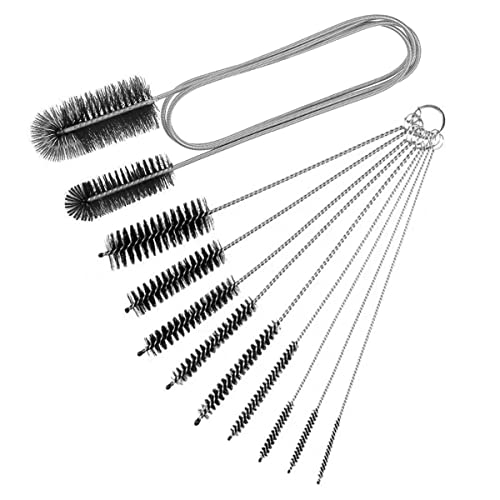
Clean the mouthpiece daily after use with warm water and mild soap, followed by a thorough rinse. Use a nebulizer mouthpiece cleaning brush for hard-to-reach areas, and consider a nebulizer cleaning brush set for multiple parts. For delicate parts, an ultrasonic cleaner for small parts can save time, but always follow manufacturer instructions.
What You’ll Need
Gather these tools and supplies to ensure a thorough clean:
- Neubulizer mouthpiece cleaning brush
- Nebulizer cleaning brush set
- Warm water and mild, fragrance-free soap
- Distilled water for final rinse
- Soft towel or air-drying rack
- Optional: Ultrasonic cleaner for small parts


Before You Start
Before cleaning, disconnect the nebulizer from power and remove any remaining medication from the cup or reservoir. Rinse hands and ensure a clean work area. Do not use boiling water or harsh chemicals, as these can degrade plastic components and leave residues. Never share mouthpieces between users to prevent cross-contamination. Allow all parts to dry completely before reassembling.
Step-By-Step: How To Clean Nebulizer Mouthpiece
- Disassemble the nebulizer according to the user manual, separating the mouthpiece, medication cup, and tubing when applicable.
- Rinse the mouthpiece under warm running water to remove visible residue. Do not use hot water, which can warp plastic.
- Fill a small bowl with warm, mild soapy water and immerse the mouthpiece. Use a nebulizer mouthpiece cleaning brush to gently scrub the interior surfaces.
- Rinse the mouthpiece under clean running water until all soap is removed. Use distilled water for the final rinse if possible to minimize mineral deposits.
- Inspect the mouthpiece for any remaining buildup. If stubborn, use the nebulizer cleaning brush set to target crevices, avoiding excessive force.
- Shake off excess water and lay parts on a clean towel to air dry. Do not reassemble while still damp to prevent mold growth.
- Optionally, place small parts in a compatible ultrasonic cleaner for small parts following device-specific instructions. Run a gentle cycle and ensure all pieces are completely dry afterward.
- Reassemble the nebulizer once all parts are dry. Store in a clean, dry location away from contaminants.
- Perform a quick test with sterile water to ensure no residue remains in the tubing or mouthpiece before next treatment.
- Establish a routine: clean after every use and perform a deeper clean weekly if recommended by the manufacturer.
Troubleshooting
| Symptom | Likely Cause | Fix | Prevention |
|---|---|---|---|
| Persistent odor after cleaning | Residual soap or moisture in crevices | Re-clean with brush, rinse thoroughly, and dry completely | Rinse well and dry after each use |
| Visible residue inside mouthpiece | Soap or mineral deposits | Soak in clean water with a pinch of vinegar for a minute, rinse again | Use distilled water for final rinse |
| Parts feel sticky | Soap buildup | Increase rinse intensity and use a softer brush | Limit soap concentration to small amounts |
| Cracked mouthpiece after cleaning | Excessive scrubbing or heat exposure | Inspect for damage, replace if necessary | Follow manufacturer care guidelines |
Common Mistakes
- Using hot water or harsh cleaners that damage plastics
- Leaving parts wet or unassembled, inviting mold growth
- Overlooking tiny crevices where buildup hides
- Sharing mouthpieces between users without proper cleaning
Avoid these missteps by sticking to mild soap, thorough rinsing, and proper drying. A clean mouthpiece supports effective medication delivery and reduces infection risk.
Tips For Best Results
- Set a cleaning routine immediately after use to prevent buildup.
- Use a dedicated brush for the mouthpiece to prevent cross-contamination with other parts.
- Consider nightly rinsing with distilled water if your tap water is hard.
- Label and store cleaned parts in a dry, covered container to protect them from dust.
- Consult the device manual for any parts that must not be submerged or require special care.
Call A Professional
Contact a clinician or the device manufacturer if you notice persistent damage, recurring residue, or if the mouthpiece cracks or deforms after cleaning. Seek professional advice if you experience inconsistent medication delivery or unusual symptoms during therapy.
FAQ
How often should I clean the nebulizer mouthpiece?
Clean the mouthpiece after every use and perform a deeper clean periodically as instructed by the manufacturer.
Can I use a dishwasher to clean the mouthpiece?
Most mouthpieces are not dishwasher safe; hand cleaning with warm water and mild soap is recommended unless the manual states otherwise.
Is it safe to use vinegar for stubborn buildup?
A brief, diluted vinegar soak can help, but rinse thoroughly and ensure no residue remains before use.
What should I do if cleaning brushes wear out?
Replace worn brushes promptly to prevent shedding fibers and to maintain effective cleaning.
Buying Guide
When choosing cleaning tools for a nebulizer mouthpiece, consider size, compatibility, and ease of use. Important factors include how well brushes reach interior corners, whether a set covers multiple parts, and if an ultrasonic option is compatible with your device materials. Evaluate noise level, time efficiency, and maintenance requirements. Look for sets that include both a dedicated mouthpiece brush and flexible tubing brushes, and verify that the ultrasonic cleaner is designed for small medical parts. Reading user reviews and following manufacturer guidelines will help you pick a reliable kit that fits your routine and keeps treatments clean and effective.
Leave a Reply