How to Clean Natural Wood Furniture Safely
Natural wood furniture adds warmth and character to living spaces. Routine cleaning removes dust, fingerprints, and grime without damaging the wood’s finish. This guide provides practical, American-ready steps to clean and maintain natural wood using common tools and gentle products.
Quick Answer
Use a soft brush or microfiber cloth to remove dust, then wipe with a slightly damp cloth. For deeper cleaning, apply a small amount of mild cleaner or oil-based wood conditioner to a cloth and buff. Avoid excess moisture and harsh cleaners that can strip finishes.
A Quick Look at What You’ll Need
Gather these items before you begin to streamline the process and protect the wood finish.
- Wood cleaning brush natural bristle scrub brush for furniture
- Microfiber cloth for wood furniture cleaning 12×12
- Oil-based wood conditioner for natural wood furniture


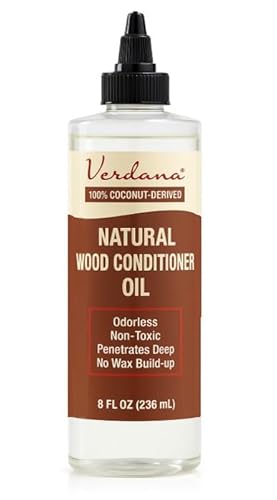
Before You Start
Prepare a clean, well-lit area and protect floors with a soft mat. Test any product on a hidden area first to ensure no discoloration. Time estimate for a typical cleaning session is 20–40 minutes, depending on the piece. Keep finishes intact by avoiding excess moisture and harsh cleaners.
Step-By-Step: Cleaning Natural Wood Furniture
- Remove loose dust with a wood cleaning brush natural bristle scrub brush for furniture or a dry microfiber cloth.
- Wipe the surface with a slightly damp microfiber cloth to lift remaining dirt.
- For stubborn smudges, apply a tiny amount of mild soap diluted in water to the cloth; never spray directly on the wood.
- Rinse the cloth and wipe away any soap residue to prevent streaks.
- Dry the surface immediately with a clean, dry microfiber cloth to prevent moisture absorption.
- Apply a thin coat of oil-based wood conditioner for natural wood furniture following the product instructions, if the wood looks dry or dull.
- Buff in the conditioner with a clean cloth to restore luster and protect the finish.
- Pay attention to joints and edges; wipe any excess conditioner to avoid buildup.
- Repeat on other surfaces, testing any new area first to ensure color or sheen remains consistent.
- For deeper restoration, consider a gentle sanding only on weathered areas and reapply a suitable finish after drying.
- Regular maintenance: dust weekly and condition every few months to maintain natural warmth and protection.
Troubleshooting
| Symptom | Likely Cause | Fix | Prevention |
|---|---|---|---|
| Streaks after cleaning | Moisture or cleaner residue | Wipe with a dry cloth until dry; avoid over-wetting | Use minimal moisture and wipe promptly |
| Finish looks dull | Dry wood or worn sheen | Apply oil-based wood conditioner and buff | Clean regularly and condition as needed |
| Scratch marks appear | Rough cleaning or abrasive material | Switch to a soft cloth and avoid scrubbing | Use gentle cleaning methods |
| Discoloration after cleaning | Harsh cleaners or staining products | Test a hidden area and rinse; discontinue use | Stick to pH-balanced products |
Common Mistakes To Avoid
- Using excessive water or soaking the wood
- Scrubbing with abrasive brushes or pads
- Applying oil-based conditioner too thickly or unevenly
- Using household all-purpose cleaners not suitable for wood finishes
Tips For Best Results
- Dust regularly with a microfiber cloth to prevent grime buildup.
- Test any new product on an inconspicuous area first.
- Condition wood when it starts looking dry or dull, typically every few months.
- Use soft, lint-free cloths to avoid fibers sticking to the surface.
- Store cleaning tools in a dry area to prevent moisture growth on brushes.
Call A Professional
Consider professional help if the wood has deep stains, severe finishes wear, water damage, or if the piece is antique and value-sensitive. Stop-and-go signs include peeling varnish, dark or cloudy patches, or structural looseness that affects safety.
FAQ
Is it safe to use water on all natural wood furniture?
Water should be used sparingly and never poured directly onto wood. A lightly damp cloth is generally safe for most finishes.
How often should I condition natural wood furniture?
Conditioning every 3–6 months is common, or when the wood starts to look dry.
Can I use household cleaners on wood?
Avoid strong cleaners; use mild soap and water or products designed for wood finishes.
Will conditioning restore faded color?
Conditioners primarily protect and enrich the finish; color restoration may require refinishing or staining by a professional.
Buying Guide
Choosing the right tools and products for natural wood furniture helps maintain beauty and longevity. Consider these factors when shopping:
- <bSize and type of wood: Different woods react differently to cleaners and conditioners. Softwoods may require gentler products.
- <bNoise level and effort: A small, quiet brush or a soft microfiber cloth is usually sufficient for routine cleaning, with less physical effort required for dusting.
- <bEnergy efficiency of products: Use only necessary amounts; avoid unnecessary waste by following label directions.
- <bControls on cleaners: Look for simple, non-abrasive formulations that break down grime without harming finishes.
- <bPlacement of tools: Store brushes and cloths in a dry, accessible spot to encourage regular cleaning routines.
For most households, a basic kit including a wood cleaning brush natural bristle scrub brush for furniture, a microfiber cloth for wood furniture cleaning 12×12, and an oil-based wood conditioner for natural wood furniture covers common needs well. Want deeper conditioning or refinishing? Compare additional products that suit your furniture’s finish and upkeep requirements.
Leave a Reply