How to Clean a Nalgene Bottle for Fresh Tasting Water
Keeping a Nalgene bottle clean is essential for maintaining fresh-tasting water and preventing odor buildup. A simple routine using the right tools can prevent mold and residue from forming, especially around the cap and wide-mouth opening.
This guide covers practical steps, safety considerations, and product options available in the U.S. market to help you maintain your Nalgene bottle effectively and safely.
Quick Answer
Rinse with warm water, scrub with a long-handled bottle brush with silicone bristles for wide mouth water bottles, and use a Nalgene bottle cleaning brush set with straw brush and sponge tip for hard-to-reach areas. For odors, dissolve dishwasher-safe bottle cleaning tablets in warm water and let them soak overnight if needed, then rinse thoroughly.
What You’ll Need
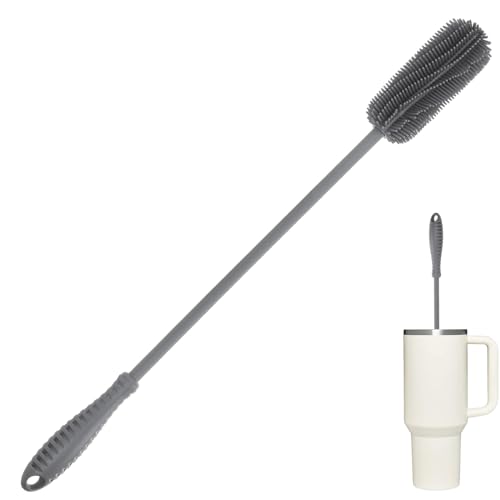
- Long-handled bottle brush with silicone bristles for wide mouth water bottles
- Nalgene bottle cleaning brush set with straw brush and sponge tip
- Dishwasher-safe bottle cleaning tablets for water bottles odor removal


Before You Start
Empty the bottle and remove all parts from the cap assembly. Rinse with warm water to loosen any residue. Avoid using bleach or strong solvents inside the bottle, which can leave harsh tastes. Allow the bottle to air-dry upside down on a clean rack. If the bottle has a straw, ensure the straw brush reaches inside cleanly. Set aside time for a thorough clean, typically 5–10 minutes for routine cleaning or several hours for odor-soaking treatments.
Step-By-Step: How To Clean A Nalgene Bottle
- Disassemble the bottle: remove the cap, straw (if present), and any detachable parts to access all surfaces.
- Rinse with warm water to remove loose debris and saliva residues from the interior.
- Apply mild dish soap: add a small amount of dish soap to the bottle and fill with warm water.
- Scrub the interior: use the long-handled bottle brush with silicone bristles for wide mouth water bottles to reach the bottom and sides.
- Clean the cap and threads: scrub the cap, threads, and any seals with the mini brush from the Nalgene bottle cleaning brush set, ensuring no soap is trapped.
- Clean hard-to-reach areas: use the straw brush from the brush set to clean the straw or small tubes; use the sponge tip to scrub any crevices.
- Rinse thoroughly: rinse the bottle, cap, and components under running water until all soap is removed.
- Optional: odor removal soak: if odors persist, dissolve dishwasher-safe bottle cleaning tablets in warm water and soak the bottle according to package directions, then rinse well.
- Air-dry completely: place parts on a drying rack or clean towel until completely dry before reassembly.
- Reassemble and store: once dry, reassemble the cap and straw, if used, and store with the cap loose to allow airflow.
- Establish a routine: clean after each use or at least daily if used for beverages beyond plain water to prevent buildup.
Troubleshooting
| Symptom | Likely Cause | Fix | Prevention |
|---|---|---|---|
| Persistent odor after cleaning | Residual soap or biofilm | Soak with dishwasher-safe cleaning tablets and rinse thoroughly | Regular cleaning and thorough drying |
| Visible mold around cap threads | Moisture trapped in hard-to-reach areas | Disassemble and scrub all threads and seals | Dry completely between uses |
| Streaks or cloudy interior | Hard water minerals | Rinse with white vinegar solution (1:1) then thoroughly rinse | Rinse promptly after use; occasional mineral cleaning |
| Stale taste after cleaning | Soap residue | Rinse again with clean water until tasteless | Use minimal soap; ensure complete rinse |
Common Mistakes
- Using abrasive brushes that scratch the bottle’s interior
- Leaving the cap fully closed while drying, which traps moisture
- Ignoring the straw and small components during cleaning
- Rinsing with cold water after a hot cleanup, causing condensation and taste changes
By avoiding these mistakes, maintenance becomes quicker and more effective, preserving bottle integrity and taste.
Tips For Best Results
- Clean promptly after use, especially with juice or milk residues
- Use warm water rather than hot water to prevent warping seals
- Regularly inspect seals and gaskets for wear and replace when needed
- If odors persist, rotate cleaning methods: soap wash, then tablet soak, then thorough rinse
- Store with the cap loose to promote air drying and prevent mildew
Call A Professional
Seek professional help if you notice persistent odors after thorough cleaning, visible mold that cannot be removed, or damage to seals and threads that compromises bottle integrity. If cleaning tablets fail to dissolve properly or if there is a leak, stop using the bottle and replace affected components.
FAQ
How often should I clean my Nalgene bottle?
Clean daily if used for drinks other than water; for water-only use, a thorough weekly cleaning is usually sufficient.
Can I put my Nalgene in the dishwasher?
Many Nalgene bottles are dishwasher-safe, but verify the specific model and cap components. Remove caps and place bottle on upper rack if permitted.
What should I do about mold in hard-to-reach areas?
Disassemble and scrub thoroughly with the appropriate brushes, focusing on cap threads and straw channels; consider a hydrogen peroxide rinse if allowed by the manufacturer.
Are cleaning tablets safe for all Nalgene parts?
Use only tablets labeled as dishwasher-safe and compatible with water bottles; rinse thoroughly to avoid residue.
Is it okay to use bleach for odor removal?
Avoid bleach inside bottles as it can leave strong tastes and may degrade seals over time.
What’s the best way to dry a Nalgene bottle?
Air-dry upside down on a rack to ensure all interior surfaces and seals are completely dry.
Should I replace seals regularly?
Yes, inspect seals for cracks or wear and replace as needed to prevent leaks.
Buying Guide
Key buying factors for maintaining a clean Nalgene bottle include size, noise level of cleaning tools, and compatibility with accessories. Consider the bottle’s mouth width to determine the most effective cleaning brush. For odors, choose safe cleaning tablets that are designed for water bottles and won’t leave lingering tastes. Noise level matters if you clean in shared spaces; look for soft-bristle brushes and non-scratching tools. Energy efficiency is not a major concern for cleaning tools, but reusable items reduce waste and improve efficiency. Placement matters too: store in a ventilated area to ensure complete dryness and avoid mold growth. When comparing tools, prioritize compatibility with wide-mouth designs and interior straw channels to ensure a complete clean. Finally, assess the total cost of ownership: durable brushes and tablets that last longer reduce ongoing expenses and waste. Would you like help comparing specific tool sets for your bottle style and usage?
Leave a Reply