How to Clean Nail Files and Buffers for Safe Sanitation
Keeping nail files and buffers clean is essential for hygiene and results. Proper cleaning prevents the spread of bacteria and extends the life of each tool. This guide explains practical methods for homeowners and salon enthusiasts alike to clean nail files and buffers effectively.
Quick Answer
Rinse tools with warm water, scrub with a nail file cleaning brush nylon bristles or buffer block cleaning brush for manicure tools, then sanitize and air-dry. For deeper disinfection, use a UV sterilizer for manicure tools nail files buffers or a suitable household sanitizer, and store tools dry.
What You’ll Need
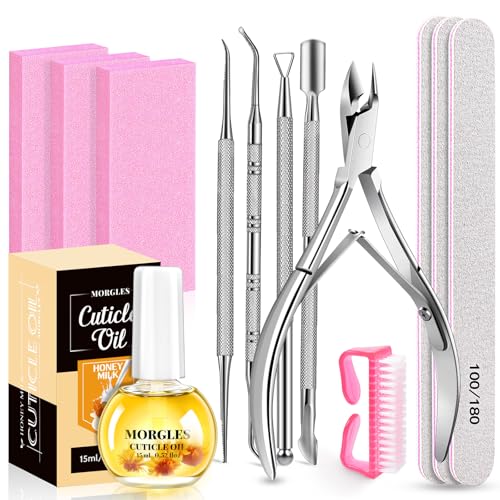
- Soft cleaning brushes with nylon bristles or a dedicated nail file cleaning brush nylon bristles
- Buffer block cleaning brush for manicure tools
- Warm water and mild soap
- Isopropyl alcohol (at least 70%) or a surface-safe sanitizer
- Optional: UV sterilizer for manicure tools nail files buffers
- Lint-free cloth or air-drying rack


Before You Start
Prepare a clean workspace and gather tools. Never soak metal files in water for extended periods, as this can corrode the file. Use a gentle brush to remove debris in one direction. Allow tools to dry completely before reusing. If you use a UV sterilizer, follow the manufacturer’s safety instructions and avoid direct skin exposure.
Time estimate: 5–15 minutes per cleaning session, depending on the number of tools.
Step-By-Step: How To Clean Nail Files And Buffers
- Detach any removable caps or covers from your tools to expose all surfaces.
- Rinse the nail file or buffer under warm running water to loosen dust and buffing residue.
- Apply a drop of mild soap and work it into the surface with a nail file cleaning brush nylon bristles or buffer block cleaning brush for manicure tools.
- Gently scrub in a single direction to avoid scratching the grit or plastic parts.
- Rinse thoroughly to remove soap and loosened debris. Shake off excess water.
- Optionally, wipe with a cloth dampened with isopropyl alcohol to help disinfect, then let the tools air-dry completely on a clean rack.
- If using a UV sterilizer for manicure tools nail files buffers, place the tools according to the device instructions and run a full cycle.
- Inspect tools for nicks or worn grit. Replace any tool that shows significant wear or harboring dull surfaces.
- Store in a clean, dry container or tray to prevent recontamination.
- Repeat cleaning after heavy use or between clients in a salon setting to maintain hygiene standards.
- For sensitive tool materials, consult manufacturer care guides to avoid solvents that could degrade plastic or metal components.
- Keep a dedicated, labeled cleaning kit to minimize cross-contamination with other cosmetics tools.
Troubleshooting
| Symptom | Likely Cause | Fix | Prevention |
|---|---|---|---|
| Grit remains after cleaning | Residue trapped in grooves | Use a smaller brush tip to reach grooves and re-scrub | Clean immediately after use to prevent buildup |
| Streaks or dull appearance | Soap residue or mineral deposits | Rinse thoroughly and dry completely; wipe with alcohol if needed | Rinse tools under running water after soaping |
| Tool feels gritty after cleaning | Coarsened grit or damaged surface | Inspect and replace if grit wears unevenly | Store tools in a clean, dry place |
| No disinfection after cleaning | Disinfectant not compatible or insufficient contact time | Follow product guidelines for contact time; try a different disinfectant | Test a small area first; use a recommended sanitizer |
Common Mistakes
- Over-soaking metal files, which can cause corrosion
- Scrubbing too aggressively, potentially dulling or damaging the surface
- Using abrasive cleaners that wear down grit or plastics
- Skipping complete drying, inviting bacteria growth
Tips For Best Results
- Clean tools immediately after use to reduce buildup and maintain hygiene.
- Use a dedicated brush for nail files and buffers to avoid cross-contamination with other tools.
- Always dry tools fully before storing to prevent mildew and odors.
- Rotate tools if you have multiple buffers or files to ensure even wear.
- If you frequently sanitize between clients, consider a compact UV sterilizer for quick cycles.
Call A Professional
In most cases, home cleaning suffices. Seek a professional for any tool with deep corrosion, cracks, or persistent contamination that won’t respond to standard sanitization. Signs to consult a pro include:
- Visible cracks or chipping that could harbor bacteria
- Persistent odors after cleaning
- Discoloration that won’t come out with regular sanitizing
FAQ
How often should nail files and buffers be cleaned?
Clean after each use or at least daily in high-traffic settings to maintain hygiene.
Can I use dish soap to clean nail files?
Yes, a mild dish soap with warm water is effective for routine cleaning; follow with thorough drying.
Is alcohol safe on all buffers?
Most buffers tolerate isopropyl alcohol, but check the manufacturer’s care guidelines for compatibility.
What is the fastest way to disinfect between clients?
A quick wipe with isopropyl alcohol and air-dry, followed by an optional UV cycle if available.
Should I sterilize tools after every client?
In clinical or high-sanitization settings, yes. For home use, regular cleaning and periodic UV sterilization are usually sufficient.
How do I store clean tools?
Store upright in a clean, dry container to promote complete air-drying between uses.
Buying Guide
Choosing the right cleaning tools and accessories for nail files and buffers depends on several factors. Consider the following to optimize hygiene and tool longevity:
- Size and compatibility: Ensure brushes fit the grooves of your nail files and buffers without needing excessive force.
- Brush material: Soft nylon bristles minimize abrasion while still removing debris effectively.
- Sanitization options: A UV sterilizer can provide extra confidence in disinfection, especially in salons or busy homes.
- Energy efficiency: If using UV sterilizers, look for models with energy-saving modes and safe exposure features.
- Controls and settings: Simple on/off operation and cycle duration help maintain consistent results.
- Placement: Store near the vanity or cleaning area with good ventilation to speed drying and prevent recontamination.
When comparing products, balance cost with durability and sanitation performance. A well-chosen cleaning kit supports hygiene, extends tool life, and makes routine maintenance quick and straightforward. Would you prefer a compact, manual brush set or a high-tech cleaning system with a UV sterilizer for busy homes and salons?
Leave a Reply