How to Clean a Mouth Guard Safely and Effectively
Maintaining a clean mouth guard is essential for comfort, hygiene, and longevity. A well-kept guard helps prevent bacteria buildup, odors, and potential irritation. This guide provides practical, step-by-step instructions using common consumer products available in American markets.
With the right routine, you can keep your mouth guard fresh between wear sessions. The steps here are designed to be simple, whether you use a dedicated cleaning kit or everyday items found around the home.
Quick Answer
For quick, effective cleaning, soak the mouth guard in a denture cleaning tablet or use an ultrasonic denture cleaner for mouth guard, then brush gently with a soft-bristled brush and rinse thoroughly. Dry completely before storing in its case.
What You’ll Need
- Ultrasonic denture cleaner for mouth guard
- Mouth guard cleaning kit with brush and case
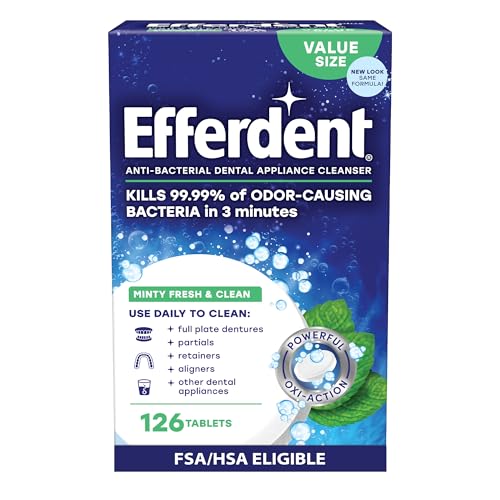
- Denture cleaning tablets for mouth guard sanitizing


Before You Start
Preparation matters: rinse the mouth guard under cool running water to remove loose debris. If the guard is worn with braces or has visible damage, consult your dentist before cleaning. Never use hot water, which can warp the material. The cleaning process should be gentle to preserve fit and material integrity. Allow extra time for soaking when using tablets or ultrasonic cleaners, especially for hard-to-reach areas.
Step-By-Step: How To Clean A Mouth Guard
- Rinse the mouth guard under cool water to remove saliva and loose particles.
- Fill a cup or bowl with cool or room-temperature water; add a denture cleaning tablet per package directions or prepare the ultrasonic cleaner.
- Place the mouth guard in the cleaner or soak it in the cleaning solution for the recommended time.
- While soaking, prepare a dedicated cleaning brush from the mouth guard kit; use it gently to scrub all surfaces, paying attention to seams and crevices.
- Rinse the guard thoroughly under cool water after soaking to remove cleaning solution residues.
- Inspect for residue or cloudy spots; if present, repeat a brief rinse and brushing cycle.
- Air-dry the mouth guard on a clean surface or in its case with the lid removed to promote airflow.
- Store only when completely dry to prevent bacterial growth; keep the case clean and dry between uses.
Troubleshooting
| Symptom | Likely Cause | Fix | Prevention |
|---|---|---|---|
| Persistent odor | Insufficient cleaning or buildup inside crevices | Re-clean using cleaning tablets or ultrasonic cleaner and brush seams thoroughly | Soak after each use; use a dedicated case |
| Staining or cloudiness | Mineral deposits or old cleaning residues | Repeated soaking with fresh cleaner and rinse well | Rinse immediately after use; avoid hot water |
| Guard feels slimy | Bacterial biofilm buildup | Clean more frequently with tablets or ultrasonic cleaning | Set a regular cleaning schedule |
| Warping or fit changes | Exposure to heat or harsh cleaners | Switch to cool water and gentle cleaners | Follow manufacturer guidance on materials |
Common Mistakes
- Using hot water or boiling to clean the guard
- Skipping brushing of interior surfaces
- Over-soaking in aggressive cleaners
- Storing while still damp, which encourages mold growth
Tips For Best Results
- Incorporate cleaning into a routine—clean after most uses or daily if worn nightly
- Rinse immediately after removal to prevent saliva drying on surfaces
- Choose a non-abrasive brush and soft bristles to avoid scratches
- Label and regularly sanitize the storage case to prevent recontamination
- Consider a dedicated cleaner for mouth guards to maintain material integrity
Call A Professional
Seek professional care if the mouth guard shows persistent damage, deep cracks, discoloration that won’t improve with cleaning, or persistent irritation in the mouth. A dentist can assess whether the guard still fits properly or recommend a replacement.
FAQ
How often should I clean my mouth guard?
Clean after each use and perform a deeper clean weekly or as needed based on usage and odor.
Can I use toothpaste to clean my mouth guard?
Toothpaste can be abrasive and wear the guard; use a dedicated cleaning method or mild cleaners instead.
Is an ultrasonic cleaner safe for all mouth guards?
Most are compatible, but check the manufacturer’s instructions to confirm suitability for your material.
What should I do if my mouth guard smells even after cleaning?
Refresh with a cleaning tablet soak and brush thoroughly; if odor persists, consult a dentist for guidance.
Buying Guide
Choosing the right cleaning method for a mouth guard involves several factors. Consider size, material, and how the device is worn during sleep or sports. Noise level and energy efficiency matter if you plan to run an ultrasonic cleaner during off-peak hours. Look for a kit that includes a brush and protective case for convenience and sanitation. Controls should be straightforward, with clear timing and temperature guidance. Placement in the bathroom or a locker should allow for proper airflow to keep items dry and ready for the next use. When comparing options, weigh the convenience of a dedicated mouth guard kit against an all-in-one ultrasonic cleaner. Prioritize gentle, proven cleaning methods to preserve fit and material integrity over time. If you have braces, wearers, or unusual fit, consult your dentist before purchasing a cleaning solution.
Leave a Reply