How to Clean Mosaic Tile and Grout Effectively
Mosaic tile offers detailed patterns and durable surfaces, but keeping the grout lines clean can be a challenge. This guide provides practical, step-by-step instructions to refresh tile and grout, using common tools found in most American homes.
From daily upkeep to deep cleaning, readers will learn how to remove stains, prevent mold, and extend the life of their mosaic tile installations. The approach blends straightforward techniques with safe product use, helping homeowners achieve bright, uniform grout lines without damaging delicate tiles.
Quick Answer
Best all-around approach: start with a simple grout-cleaning brush and warm water, then move to a targeted grout-cleaning method for heavy stains. For stubborn grout, a steam mop with grout cleaning attachment can simplify large areas, but test a small patch first to ensure tile safety.
What You’ll Need
- Grout cleaning brush stiff nylon head tile grout tool
- Tile grout scrub brush 2 inch head mosaic tile cleaning
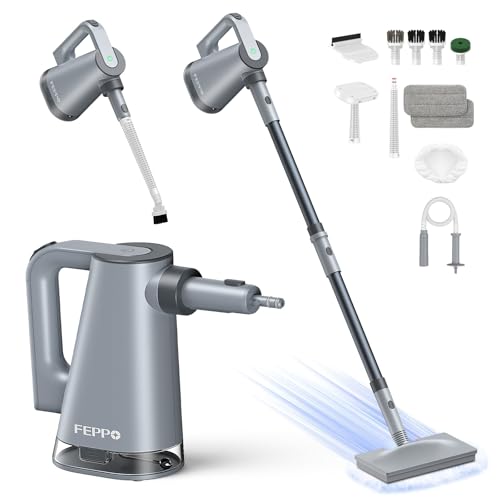
- Steam mop with grout cleaning attachment for tile


Before You Start
Clear the workspace and protect adjacent surfaces with a damp cloth or painter’s tape. Vacuum or sweep loose debris from the tile surface. Work in a well-ventilated area and wear gloves to protect hands from cleaners. Allow time for grout to dry after any cleaning. Never mix household cleaners—this can create harmful fumes.
Time estimate: 30–90 minutes for a standard kitchen or bathroom backsplash, longer for larger areas or heavy staining.
Step-By-Step: How To Clean Mosaic Tile
- Prepare a mild cleaning solution: a small amount of dish soap or a pH-neutral tile cleaner mixed with warm water.
- Use a damp sponge to wipe the tile surfaces, removing surface grime before focusing on grout lines.
- Apply the grout-cleaning brush stiff nylon head tile grout tool to grout lines at a 45-degree angle and scrub in small sections.
- Rinse the area with clean water and blot with a towel to remove loosened dirt.
- For tougher stains, mix a paste of baking soda and water, apply to grout, let sit for 5–10 minutes, then scrub with the grout brush and rinse.
- If using a steam mop with grout cleaning attachment for tile, follow manufacturer directions and avoid letting steam linger on any one area to prevent moisture damage.
- Dry grout lines thoroughly to prevent new mold growth; use a microfiber cloth or a dry towel.
- For persistent staining, repeat the process or consider a color-sealing grout product after cleaning to protect against future staining.
- Inspect tiles for cracks or loose grout and address repairs if needed to maintain overall cleanliness and integrity.
- Finish with a light wipe of the tile surface to remove any residue and restore shine.
- Schedule periodic maintenance to keep grout fresh, ideally every 1–3 months depending on traffic and moisture exposure.
Troubleshooting
| Symptom | Likely Cause | Fix | Prevention |
|---|---|---|---|
| Grout remains discolored after cleaning | Deep staining or grout deterioration | Repeat cleaning with a stronger paste (baking soda) and consider grout color sealing | Seal grout after it’s clean and dry |
| Tiles show haze after cleaning | Soap residue | Rinse with clear water and buff with a dry microfiber cloth | Use minimal cleaner and thorough rinse |
| Mold or mildew reappears | Moisture retention in grout | Improve ventilation, dry thoroughly, and apply a mold-inhibiting grout sealer | Keep bathrooms ventilated and wipe dry after showers |
| Streaky or uneven grout color | Uneven cleaning or old grout | Re-clean in small sections and consider regrouting if necessary | Regular maintenance to prevent buildup |
Common Mistakes
- Using abrasive pads that scratch the tile or roughen grout.
- Over-wetting grout during cleaning, which can lead to moisture damage or mold.
- Relying on harsh chemical cleaners that discolor or degrade grout.
- Neglecting to dry grout after cleaning, inviting future staining and mold.
Tips For Best Results
- Test cleaners on a small, inconspicuous area before full application.
- Use a dedicated grout brush to access narrow lines without scratching tiles.
- Work in small sections to maintain cleaning momentum and prevent over-drying areas.
- Consider sealing grout after cleaning to reduce future staining and make maintenance easier.
- When using a steam mop, avoid prolonged steam on wood-look or delicate tile edges; always follow device guidelines.
Call A Professional
Contact a pro if grout is cracked, crumbling, or if there is persistent mold that won’t respond to cleaning. Seek expert help when tile is loose or grout replacement seems necessary, as improper repairs can worsen damage or void warranties.
FAQ
Can I use bleach to clean mosaic grout?
Bleach can whiten grout but may weaken it over time and damage colored grout. Use diluted, color-safe cleaners or a baking-soda paste first, and test a small area.
How often should I seal grout after cleaning?
Many grout lines benefit from sealing every 6–12 months, depending on traffic, moisture, and cleaning frequency.
Is steam cleaning safe for all mosaic tiles?
Steam can be effective but may not be suitable for epoxy or delicate surfaces. Always check tile and grout materials and perform a patch test.
What’s the best way to prevent grout staining?
Regular cleaning, prompt attention to spills, and sealing grout after it’s fully dry help prevent staining and moisture intrusion.
Should I scrub grout dry or wet?
Begin with a damp method to avoid stirring up dust; then dry thoroughly to prevent moisture-related issues.
What if grout is crumbling?
Worn grout should be removed and replaced; consider regrouting with appropriate grout for the tile type and location.
Can I use vinegar on mosaic grout?
Vinegar is acidic and may erode certain grout types or tiles; use it only if the grout manufacturer approves or opt for non-acid cleaners.
Buying Guide
When choosing tools for cleaning mosaic tile and grout, consider factors such as tile type, grout material, and cleaning frequency. A flexible approach using a grout cleaning brush and a mosaic tile cleaning brush head is versatile for most projects. A steam mop with grout cleaning attachment can speed up large areas, but ensure compatibility with your tile materials.
Key buying factors include size and reach, noise level, and ease of use. For busy households, choose ergonomic handles and durable bristles that resist wear. Look for grout brushes with stiff nylon heads designed to scrub in tight joints, and verify that the steam mop attachment is rated for tile grout cleaning. Placement matters as well: select tools that are comfortable to use in bathrooms and kitchens where moisture is common.
Leave a Reply