How to Clean Moldy Bath Mat: Practical Guide
Moldy bath mats are a common bathroom nuisance, especially in humid climates or damp storage. This guide provides a clear, step-by-step method to remove mold, refresh materials, and prevent future growth.
The following process uses common cleaning tools and practical techniques suitable for most bath mats, including fabric, rubber, and texturized mats. By following the steps, homeowners can restore cleanliness and extend the mat’s life.
Quick Answer
For most bath mats, scrub away surface mold, treat with a mold remover spray, and rinse thoroughly. If mold returns quickly, use a portable steam cleaner for a deep clean and to sanitize fibers without harsh chemicals.
What You’ll Need
- Bath mat mold remover spray bathroom mildew cleaner
- Mold cleaning scrub brush for bath mats
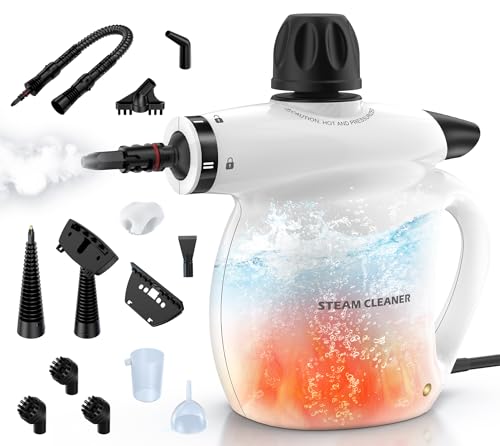
- Portable steam cleaner for bathroom mats upholstery
- Dish soap or mild detergent
- White vinegar or hydrogen peroxide (optional for extra whitening and sanitizing)
- Washer or basin for soaking
- Old towels or drying rack
- Gloves and a mask for protection


Before You Start
Assess the mat material: fabric mats may tolerate hot water and detergents, while rubber mats may resist but can degrade with strong chemicals. Ventilate the area and remove the mat from the bathroom to avoid spreading spores. Pre-inspect for colorfastness by testing a hidden corner with a small amount of cleaner. Time estimate: 30–60 minutes for initial cleaning; 6–24 hours for thorough drying if air-drying. Cautions: never mix bleach with ammonia or unknown cleaners, and avoid over-wetting mats that sit on concrete or wood floors.
Step-By-Step: How To Clean Moldy Bath Mat
- Remove the mat and shake off loose dust and mold spores over a trash bin or outside area.
- Vacuum the mat surface if a vacuum with a brush attachment is available to reduce surface contamination.
- Apply the bath mat mold remover spray bathroom mildew cleaner evenly across the mat’s surface, paying attention to edges and textured areas.
- Let the cleaner sit for 5–10 minutes to loosen embedded mold, then scrub with the mold cleaning scrub brush for bath mats, using circular motions for textured areas.
- Rinse the mat thoroughly with warm water, ensuring all cleaner and loosened mold are washed away.
- If using a fabric mat and stains persist, soak the mat in a solution of warm water and a small amount of detergent for 15–30 minutes, then rinse again.
- Optionally, treat with white vinegar or hydrogen peroxide in a diluted mix (1 part vinegar to 3 parts water; or 3% hydrogen peroxide) and rinse after a brief contact period to help sanitize and brighten.
- Dry the mat completely: lay flat in a sunny spot or use a clothesline, or run a quick cycle in a dryer if the mat’s care label permits.
- For stubborn mold, repeat the cleaning cycle or finish with a portable steam cleaner for bathroom mats upholstery to sanitize fibers without excessive moisture exposure.
- Inspect after drying; if odor persists, repeat cleaning cycle or consider replacing the mat if mold recurs despite full drying.
- Store the mat in a dry, well-ventilated area to prevent future mold growth.
Troubleshooting
| Symptom | Likely Cause | Fix | Prevention |
|---|---|---|---|
| Visible mold returns after drying | Moisture trapped in fibers | Thoroughly dry, preferably in sunlight; use a fan to improve airflow | Store in a dry area; air out after use |
| Mat color fading or discoloration | Harsh cleaners or bleach on colored fibers | Switch to milder detergents; test colorfastness first | Avoid strong concentrated cleaners on colored mats |
| Persistent musty odor | Deep-set mold or residual moisture | Repeat cleaning; use steam cleaning for deeper sanitation | Ensure full drying; consider replacing if odor remains |
| Mat material warps or cracks | Excessive heat or improper drying | Air dry or low-heat drying only as permitted | Follow care label; avoid high heat |
Common Mistakes
- Not drying the mat completely, which invites quick mold return
- Using bleach on colored or textured mats without testing colorfastness
- Over-wetting rubber or foam mats and letting moisture linger in seams
- Neglecting to clean under the mat where spores can accumulate
Tips For Best Results
- Clean mats regularly, especially in humid months, to prevent mold buildup
- Switch between cleaning methods: spray cleaner, scrub, rinse, and dry in a sequence that ensures moisture doesn’t linger
- Choose a mold remover spray that is compatible with your mat material to avoid damage
- Consider a portable steam cleaner for tricky textures and upholstery-grade mats
- If mold incidents recur, evaluate bathroom ventilation: exhaust fans, dehumidifiers, and routine mat washing
Call A Professional
Stop signs to seek professional help include persistent mold growth after repeated cleaning, visible black mold in hard-to-reach areas, or breathing difficulties linked to mold exposure. If the bath area has extensive moisture problems or structural concerns, contact a mold remediation specialist or a licensed plumber to address moisture sources and prevent recurrence.
FAQ
Is it safe to use bleach on a moldy bath mat?
Bleach can be effective for mold but may damage colored or delicate mats. Test colorfastness first and use diluted solutions as needed.
Can I machine-wash a rubber bath mat?
Many rubber mats can be machine-washed on a gentle cycle, but always check the care label for the correct settings.
How long does mold removal take?
Initial cleaning usually takes 30–60 minutes; complete drying and any follow-up steps may take up to 24 hours depending on material and climate.
Will a steam cleaner sanitize my bath mat?
Yes, a portable steam cleaner can sanitize and deep-clean many mat types, especially textures that trap mold spores.
How can I prevent mold after cleaning?
Ensure thorough drying, improve bathroom ventilation, and store mats in a dry, well-ventilated area between uses.
Should I replace a moldy bath mat?
If mold returns after repeated cleaning attempts or there is persistent odor or material degradation, replacement is advisable.
Are all mats suitable for sunlight drying?
Most mats tolerate sunlight, but some fabrics may fade or become brittle. Dry according to the care label and avoid direct heat.
Buying Guide
When choosing a bath mat to minimize mold risk, consider size, material, and moisture management. A properly sized mat should fully cover the shower or tub edge without curling. Materials like cotton blends, microfiber, or non-slip rubber have different drying times and cleaning needs; select based on your bathroom humidity and washing capabilities. A low-noise, energy-efficient steam option can assist with deeper cleaning without harsh chemicals.
Key buying factors include:
- Size: Match the mat to your shower or tub opening and drainage area
- Material: Cotton or microfiber mats handle washing well; rubber mats resist water but may require scrubbing
- Moisture management: Mats with quick-drying fibers reduce mold risk
- Maintenance: Washability and colorfastness affect long-term use
- Controls: Simple wash settings, non-slip backing, and ease of drying
- Placement: Consider mats with backing that stay flat and resist curling
Thinking about your bathroom’s climate and cleaning routine helps in selecting a mat that stays mold-free longer. Is a particular cleaning method better suited to your space—steam cleaning, regular washing, or frequent air-drying? The right combination can make mold a rare problem.
Leave a Reply