How to Clean Mold Off Upholstery
Mold growth on fabric upholstery is a common household issue, especially in damp or poorly ventilated areas. This guide provides a practical, step-by-step approach using readily available tools to safely remove mold, refresh fabrics, and prevent regrowth.
By following the methods and safety tips below, homeowners can restore upholstery without professional treatment in many cases, keeping surfaces clean and smelling fresh.
Quick Answer
Spot clean visible mold with a mold stain remover spray, then use a fabric upholstery cleaning brush set. For thorough disinfection, employ a handheld steam cleaner for upholstery mold removal, followed by microfiber cloths to wipe and dry. Always test a small, hidden area first and ensure complete drying to prevent regrowth.
What You’ll Need
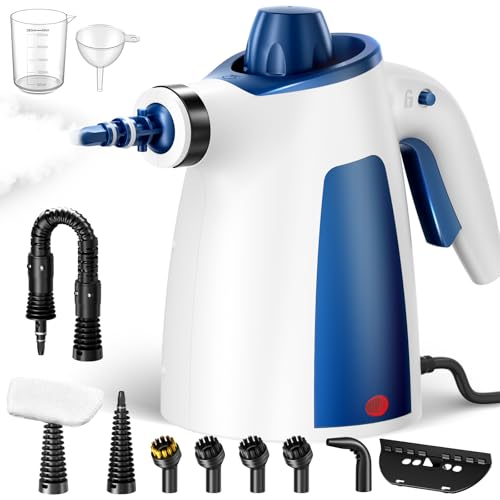
- Handheld steam cleaner for upholstery mold removal
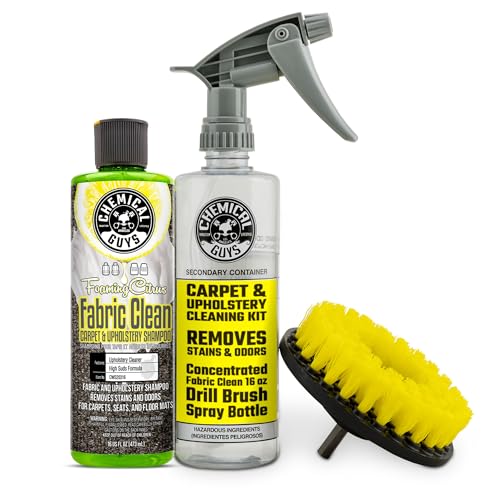
- Fabric upholstery cleaning brush set mold stain remover kit
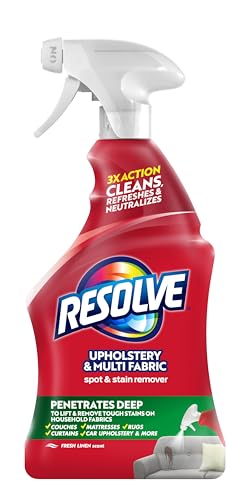
- Mold stain remover spray for upholstery with microfiber cloths
Before You Start
Assess the fabric type and care label before treating mold. Delicate natural fibers may require gentler methods. Work in a well-ventilated room and wear a mask to avoid inhaling mold spores. Move decorative items away from the area and protect surrounding surfaces with old towels or plastic sheeting. Allow sufficient time for drying; humidity and temperature affect mold return. Never use bleach on colored fabrics or leather upholstery, and avoid saturating the material.
Step-By-Step: How To Clean Mold Off Upholstery
- Identify affected areas by visual inspection and feel for musty odors. Mark with a fabric-safe marker if needed.
- Vacuum first with a brush attachment to remove loose spores and surface dust. Use slow, deliberate strokes to avoid pushing mold deeper into the fibers.
- Spray a mold stain remover solution lightly on the stained zones. Do not oversaturate; allow the product to dwell according to the manufacturer’s instructions.
- Use the fabric upholstery cleaning brush set to agitate the fibers in small circular motions, lifting mold from the surface without damaging the weave.
- Operate the handheld steam cleaner for upholstery mold removal at the recommended temperature and distance. Heat helps kill mold spores and loosens residues for easier extraction.
- Wipe treated areas with microfiber cloths, which absorb moisture effectively. Replace cloths as needed to avoid re-depositing spores onto the fabric.
- Allow the upholstery to dry completely in a space with good air circulation. If possible, place fans to speed drying and reduce humidity.
- Re-inspect the fabric for any remaining stains or odors. Repeat cleaning steps on stubborn spots if necessary, then finish with a dry brush to restore pile.
- For persistent odors or invisible mold residues, consider repeating the treatment cycle or applying a fabric-safe odor absorber after drying.
- Return cushions and items to their normal position only after the furniture is fully dry to prevent mold relapse.
- Follow up with preventative measures such as reducing indoor humidity, increasing ventilation, and addressing any moisture sources nearby.
Troubleshooting
| Symptom | Likely Cause | Fix | Prevention |
|---|---|---|---|
| Musty odor returns after a few days | Moisture remains in fibers | Dry thoroughly; use a dehumidifier | Improve air flow and seasonal cleaning |
| Color fading or fabric damage | Harsh cleaners or over-wetting | Switch to milder products; test area first | Follow care labels; apply sparingly |
| Streaks or white residues | Residue from cleaner or mineral deposits | Wipe with damp cloth and dry completely | Rinse lightly if product allows |
| Persistent mold spots after cleaning | Deep-set mold within fibers | Repeat treatment; consider professional evaluation | Address underlying humidity and moisture |
Common Mistakes
- Using too much liquid, which soils the backing or padding
- Skimping on drying time, allowing mold to rebound
- Failing to test cleaners on hidden fabric areas
- Neglecting a proper cleaning sequence—vacuum, treat, clean, dry
- Ignoring underlying moisture sources and ventilation
Sticking to tested products and following a methodical routine helps minimize these common mistakes.
Tips For Best Results
- Test any cleaner on a hidden corner of the upholstery for colorfastness before full application.
- Use distilled water in steamers if your water is hard, to prevent mineral deposits on fabric.
- Work in sections to ensure consistent cleaning and drying across the whole piece.
- Combine mechanical action (brushes) with heat from steam for more effective mold disruption.
- Store upholstered furniture away from sources of moisture and monitor humidity levels in the room.
Call A Professional
Call a professional if any of the following apply: mold covers a large area, fabric is antique or highly sensitive, or there is visible mold growth behind walls or cushioning. If any health symptoms arise for occupants or pets, seek expert evaluation promptly.
FAQ
Is mold on upholstery dangerous to touch?
Direct contact can irritate skin and inhalation may affect sensitive individuals; wear gloves and a mask during cleanup and ensure good ventilation.
Can I use bleach to remove mold from fabric?
Bleach is not recommended for most fabrics as it can damage color and fibers; use mold-specific stain removers or steam cleaning instead.
How long should upholstery dry after cleaning?
Drying times vary by fabric and climate, but typically 4–24 hours is needed; ensure complete dryness before reuse.
Should I run a dehumidifier after cleaning?
Yes, running a dehumidifier or improving ventilation helps prevent mold regrowth by reducing indoor humidity.
What if mold returns after cleaning?
Reassess moisture sources and consider repeating the cleaning cycle; persistent cases may require professional assessment.
Can fabric protectors help prevent mold?
Protectors can help repel stains and moisture, but they are not a substitute for thorough cleaning or moisture control.
Buying Guide
When choosing products to tackle mold on upholstery, consider size and coverage, noise, and ease of use. Look for evidence of mold-killing efficacy, fabric safety, and compatibility with your furniture type. Here are key factors to compare:
- Size and reach: A handheld steam cleaner for upholstery mold removal should be compact enough for tight crevices but powerful enough to lift embedded spores.
- Surface compatibility: Check that the equipment, including spray formulas and brushes, is suitable for your upholstery fabric (cotton, polyester, microfiber, etc.).
- Cleaning tools: A fabric upholstery cleaning brush set mold stain remover kit can provide agitation and targeted stain removal for diverse spots.
- Solvent options: Mold stain remover spray for upholstery with microfiber cloths offers quick application and convenient wiping power.
- Drying time: Fast-drying formulations help shorten downtime and reduce secondary mold risk.
- Ease of use and maintenance: Reusable brushes and cloths, plus simple cleaning of equipment after use, improve long-term value.
- Safety features: Look for non-toxic, upholstery-friendly products and clear safety instructions for home use.
- Storage and portability: Lightweight, compact equipment with a convenient carrying case can help keep spaces tidy.
For best results, combine the recommended tools with good housekeeping practices: fix moisture sources, improve airflow, and regularly inspect upholstery for signs of mold before it becomes widespread.
Leave a Reply