How to Clean Mister Heads: A Practical Cleaning Guide
Keeping mister heads clean is essential for consistent misting performance and system longevity. This guide covers simple steps to remove mineral buildup, debris, and fouling from misting nozzles and related components, using common tools and targeted cleaning kits.
With a clear method and the right cleaning supplies, homeowners can restore optimal spray patterns and prevent clog-related pressure issues in garden and landscape misting systems.
Quick Answer
To refresh misting heads, disconnect the pump, remove nozzles, soak in a mild cleaning solution, scrub mineral deposits with a brass misting nozzle cleaning brush 1/4 inch or a plastic misting nozzle cleaning kit for garden mister heads, rinse thoroughly, and reassemble. For stubborn clogs, use a misting system maintenance tool 1/4 inch nozzle cleaning brush to probe the outlets.
Note: Always power off electrical components and depressurize the system before cleaning to prevent injuries.
What You’ll Need
- Brass misting nozzle cleaning brush 1/4 inch
- Plastic misting nozzle cleaning kit for garden mister heads
- Misting system maintenance tool 1/4 inch nozzle cleaning brush
- Supply of distilled water or white vinegar (for soaking)
- Soft microfiber cloths
- Gloves and eye protection

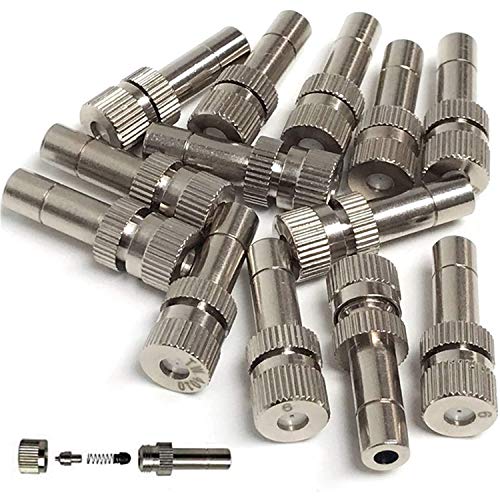
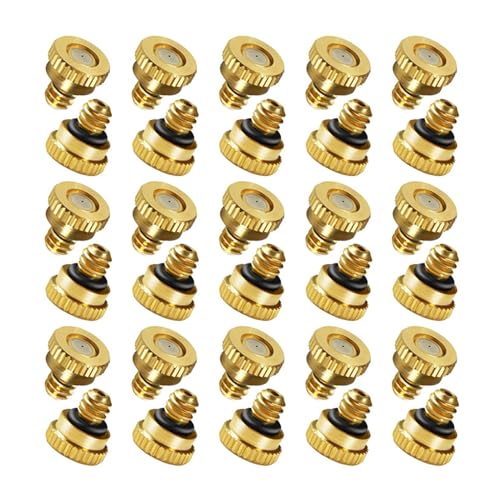
Before You Start
Have a clean work area and a shallow bin for soaking parts. Choose a mild cleaning solution (a 1:1 mix of water and white vinegar works well for mineral deposits). Wear protective gloves and safety glasses. Allow the system to cool and depressurize before disassembly. Estimate cleaning time at 15–45 minutes depending on buildup and number of heads.
Step-By-Step: How To Clean Mister Heads
- Turn off power to the misting pump and close any reservoir valves to prevent leakage.
- Relieve pressure by opening a spray head or valve until the system stops spraying.
- Detach the misting heads from the tubing or bar assembly following manufacturer guidance.
- Soak nozzles in a shallow tray of distilled water or vinegar solution for 5–15 minutes to loosen deposits.
- Gently scrub each nozzle with the brass misting nozzle cleaning brush 1/4 inch or the plastic misting nozzle cleaning kit for garden mister heads, focusing on the orifice and threads.
- Rinse each nozzle under clean water, inspecting for remaining clogging and ensuring a clear spray path.
- Use the misting system maintenance tool 1/4 inch nozzle cleaning brush to probe any stubborn clogs without damaging the outlet.
- Reinstall the heads securely, reassemble tubing, and slowly repressurize the system.
- Test run a short spray cycle to confirm an even mist pattern; observe for any dripping or uneven misting.
- If deposits reappear frequently, consider adjusting the water source or adding a preventative descaler or filtration step.
- Document cleaning intervals based on mineral content and system usage for future maintenance.
- Schedule a regular inspection of hoses, fittings, and emitters to prevent recurring issues.
Troubleshooting
| Symptom | Likely Cause | Fix | Prevention |
|---|---|---|---|
| Uneven spray or clogging | Mineral deposits inside nozzle | Soak and scrub with the correct brush | Use filtered water and clean regularly |
| Nozzle leaks after cleaning | Cross-threaded or damaged threads | Check threads and reseat; replace if damaged | Handle carefully; use proper tools |
| Soft spray or no output | Severe blockage | Probe with maintenance brush; replace affected head | Clean routinely to prevent buildup |
| Frequent mineral buildup | Hard water supply | Install filtration or use distilled water | Consider water treatment options |
Common Mistakes
- Using metal brushes on plastic nozzles, causing wear
- Rinsing only with tap water and skipping thorough drying
- Over-tightening fittings during reassembly
- Ignoring safety steps and depressurizing improperly
Tips For Best Results
- Schedule quarterly cleaning for systems in hard-water areas
- Keep a small toolkit with the featured brushes for quick maintenance
- Label hoses and heads to speed reassembly
- Test misting patterns from different heads to ensure consistency
Call A Professional
Seek professional help if:
- Leaks persist after reassembly
- Head components appear cracked or severely corroded
- There is persistent clogging despite cleaning and filtration
- The pump or control system exhibits electrical issues or error signals
FAQ
How often should I clean mister heads?
Clean as part of a routine maintenance schedule, at least every 3–6 months, with more frequent cleaning in areas with hard water or frequent use.
Can I use vinegar to clean misting heads?
Yes, a diluted vinegar solution helps dissolve mineral deposits; rinse thoroughly afterward to remove any taste or residue.
What if water still doesn’t spray evenly after cleaning?
Inspect for damaged nozzles, recheck fittings, and ensure tubing is free of kinks; replace any worn parts.
Are plastic nozzles more prone to clogging than brass?
Both types can clog; use appropriate brushes designed for the material and consider filtration to reduce mineral buildup.
Should I remove all heads during cleaning?
Removing heads simplifies access but follow manufacturer guidance to avoid damaging the tubing or fittings.
Buying Guide
When selecting tools and kits for mister head cleaning, consider compatibility with your system, nozzle size, and cleaning efficiency. A dedicated 1/4 inch cleaning brush set is common for misting heads, while plastic or brass brushes suit different nozzle materials. Look for kits that include multiple brushes, a gentle yet effective cleaning action, and a storage case for organization.
Key buying factors include size and nozzle compatibility, noise level is not typically a factor for cleaning devices, but the overall misting system can benefit from quieter pumps. Energy efficiency relates to the pump and controller rather than the cleaning tools, but a well-maintained system operates more efficiently. Controls should be simple, and placement should minimize exposure to harsh weather and debris. Compare kits based on included brushes, ease of use, and manufacturer recommendations to ensure a good match with existing mister heads.
Would you like help selecting a kit that matches your specific nozzle type and garden setup? I can compare options based on your current system model and local water conditions.
Leave a Reply