How to Clean Mirrors With Windex: A Simple, Streak-Free Guide
Cleaning mirrors efficiently requires both the right products and the correct technique. This guide focuses on using Windex and practical tools to achieve a spotless, streak-free finish on reflective surfaces around the home. Follow along for a straightforward process that works on bathroom mirrors, vanity mirrors, and decorative glass.
Quick Answer
For a fast, dependable clean, spray Windex onto the mirror and wipe with a clean microfiber cloth in a zigzag motion from top to bottom. To reduce streaks, finish with a dry microfiber cloth or a lint-free towel. For larger areas, use a 14 inch window squeegee with a microfiber pad to remove excess cleaner and bright reflections.
What You’ll Need
- 16×16 inch microfiber cloth for glass cleaning
- 24 oz spray bottle with adjustable nozzle for glass cleaner
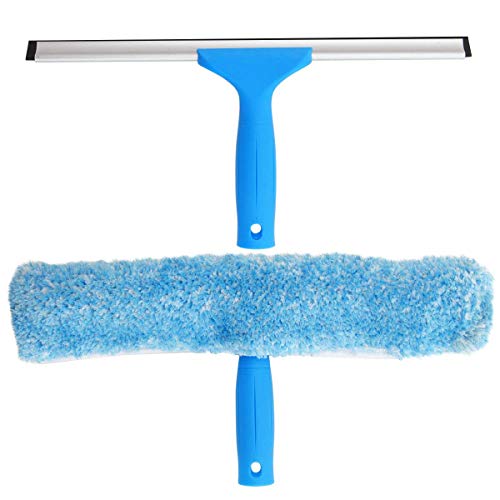
- 14 inch window squeegee with microfiber pad for mirrors


Before You Start
Clear the area of any items that might drip or get in the way. Work in a well-ventilated space to minimize fumes. Avoid using abrasive pads or harsh chemicals near mirrors, which can scratch or dull reflective surfaces. Test a small, inconspicuous area first if you’re concerned about coatings. Plan for a quick cleanup—this task usually takes about 5–10 minutes per large mirror.
Step-By-Step: How To Clean Mirrors With Windex
- Remove loose dust with a dry microfiber cloth to prevent scratching during cleaning.
- Lightly mist the mirror with Windex or the glass cleaner of choice, keeping the nozzle about 6–8 inches away.
- Wipe the top edge to bottom edge with the 16×16 inch microfiber cloth using long, smooth strokes.
- If streaks appear, switch to a dry microfiber cloth and buff in circular motions until the surface reflects clearly.
- For larger sections, use the 14 inch window squeegee with a microfiber pad to lift cleaner evenly and minimize pooling.
- Wipe the edges and corners with the cloth to remove remaining cleaner and prevent drips onto the vanity.
- Inspect the mirror under bright light and re-clean any spots or streaks that stand out.
- Let the surface air-dry for a minute or two before using the area again.
Troubleshooting
| Symptom | Likely Cause | Fix | Prevention |
|---|---|---|---|
| Streaks after cleaning | Cleaner residue or improper drying | Buff with a clean dry microfiber cloth; ensure even strokes | Use a microfiber cloth designed for glass; wipe in one direction |
| Cloudy or hazy surface | Over-wetting or mixing with hard water minerals | Use a smaller amount of cleaner and wipe until dry | Rinse cloth frequently; consider distilled water for final wipe |
| Scratches visible | Abrasive contact or rough cloth | Switch to a softer microfiber and gentle pressure | Never scrub with abrasive pads |
| Removable stains persist | Residue from products behind glass | Spot-clean with a fresh cloth and cleaner, then wipe dry | Clean regularly to prevent buildup |
Common Mistakes
- Using overly wet cloths that leave pools on the frame or vanity
- Cleaning in direct sunlight, which causes rapid drying and streaks
- Skipping a final buff with a dry cloth, leaving a cloudy finish
Avoid these errors by planning a quick wipe in a shaded area and finishing with a dedicated dry microfiber cloth for optimal clarity.
Tips For Best Results
- Keep a dedicated glass-cleaning kit handy, including a microfiber cloth, spray bottle, and squeegee, to streamline maintenance.
- Wipe in consistent, parallel strokes to ensure uniform coverage and reduce streaking.
- Use the adjustable nozzle to control spray intensity, especially on larger mirrors.
- Deep-clean mirrors quarterly by removing frames if feasible and cleaning edges where grime can accumulate.
- Test cleaners on small areas before broad application to protect specialty coatings or decorative features.
Call A Professional
Consider professional help if mirrors are badly etched, severely fogged, or have persistent staining that resists standard cleaning. If the mirror is damaged, has peeling coatings, or you suspect water intrusion behind the glass, contact a glass or glazing professional. Sudden cracking, chipping, or discoloration around edges may indicate a structural issue requiring expert assessment.
FAQ
Can I use plain water instead of Windex?
Water can work for light cleaning, but a dedicated glass cleaner like Windex often yields better clarity and fewer streaks.
Is it safe to use window cleaners on bathroom mirrors?
Yes, most window cleaners are suitable for glass mirrors, but avoid ammonia-heavy formulas on certain coatings and test first.
What if my mirror is foggy after cleaning?
Wipe again with a dry cloth and ensure the area is not humid; consider a quick wipe with distilled water to remove residue.
How often should I clean mirrors?
Clean mirrors weekly or as needed to prevent buildup of toothpaste, soap scum, and fingerprints.
Buying Guide
Choosing the right tools and setup can make mirror cleaning easier and more effective. Consider space, frequency of cleaning, and preferred method when shopping for supplies.
Key factors include surface size, spray control, and contact with protective coatings on modern mirrors. A compact setup with a dedicated microfiber cloth, a spray bottle with adjustable nozzle, and a lightweight squeegee offers versatility for homes with multiple mirror surfaces. Look for a kit that includes durable, lint-free cloths and a nozzle that delivers a fine mist for even coverage.
Size: For larger bathrooms, a 14-inch squeegee with microfiber pad helps cover wide surfaces and reduces streaks. For smaller spaces, a standard microfiber cloth is sufficient. Noise level and ease of use matter in tight spaces; choose tools that glide smoothly without snagging.
Energy efficiency and environmental considerations are less about mirrors themselves and more about using minimal chemical products. Opt for a cleaner with fewer volatile compounds if indoors ventilation is limited.
Placement and storage: Keep cleaners and cloths in a reachable spot near bathrooms. A clearly organized kit reduces setup time and encourages regular maintenance.
Controls: An adjustable spray nozzle allows fine control to prevent overspray on frames or electrical outlets nearby. A well-designed microfiber cloth with proper grip reduces streaks and makes wiping more efficient.
Leave a Reply