How to Clean Microfiber Chair: Easy Home Cleaning Steps
Microfiber chairs are popular for their comfortable feel and durability, but cleaning them can seem tricky. With the right approach, most stains and everyday dirt come out without damaging the fabric. This guide provides practical, American-friendly steps using common cleaning tools and techniques to keep microfiber chairs looking fresh.
Whether you spill coffee, pet fur, or everyday smudges, a systematic method helps protect the fabric and extend the chair’s life. The process below emphasizes safe testing, effective stain removal, and minimizing moisture that can lead to mildew. Follow along to restore your chair’s appearance and maintain its softness.
Quick Answer
Best first step: blot spills immediately with a clean, dry cloth; avoid rubbing. Next: test a small hidden area with your cleaner to ensure colorfastness, then use a microfiber upholstery cleaner spray kit or stain remover for best results. If heavy staining persists, a steam cleaner for upholstery microfiber couch can be effective when used carefully.
What You’ll Need
- Microfiber upholstery cleaner spray kit
- Stain remover for microfiber furniture spray
- Soft white cloths or microfiber towels
- White cotton swabs for tight seams
- Vacuum with upholstery brush attachment
- Optional: steam cleaner for upholstery microfiber couch
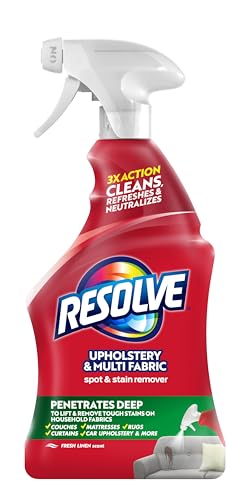
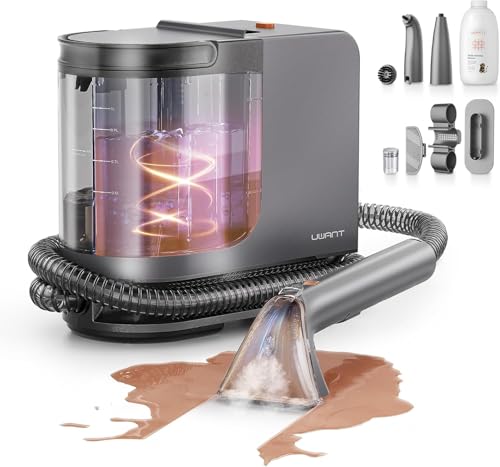
Before You Start
Prepare the area by moving furniture and placing a towel under the chair to catch drips. Perform a spot test on an inconspicuous area (inside the underside or back) using the chosen cleaner to confirm it won’t bleach or fade the color. Do not over-wet microfiber, as excess moisture can leave watermarks and promote mildew. Allow treated areas to air-dry completely before use.
Step-By-Step: How To Clean A Microfiber Chair
- Dry clean the surface: Use a vacuum with an upholstery attachment to remove loose dust, pet hair, and dirt from all surfaces, including seams and crevices.
- Blot spills immediately: If a liquid spills, blot with a clean, dry cloth without rubbing. Work from the outer edge toward the center to prevent spreading.
- Apply cleaner to a cloth, not the fabric: Lightly mist the microfiber upholstery cleaner spray kit or stain remover onto a clean cloth, then gently dab the stained area. Avoid spraying directly onto the fabric to prevent oversaturation.
- Gently work the stain: Use small circular motions to lift the stain. For stubborn spots, apply a second pass with a fresh cloth and cleaner, always working from the outside in and avoiding aggressive scrubbing.
- Rinse or remove cleaner residue: Wipe with a clean, damp cloth to remove any soap or cleaner residue. Avoid leaving soapy film, which can attract more dirt.
- Dry the fabric: Pat with a dry towel and allow the chair to air-dry completely. Keep it away from direct heat sources to prevent fabric distortion.
- Deep cleaning beyond the surface: For embedded grime, repeat the above steps or consider a steam cleaner for upholstery microfiber couch, following manufacturer instructions and keeping the nozzle at a safe distance to prevent soaking.
- Avoid harsh chemicals: Do not use bleach, ammonia, or abrasive cleaners; these can damage the microfiber’s fibers and colorfastness.
- Re-evaluate after drying: Once dry, brush the fabric with a soft brush to lift the nap and restore the characteristic microfiber texture.
Troubleshooting
| Symptom | Likely Cause | Fix | Prevention |
|---|---|---|---|
| Stain remains after cleaning | Stain penetrated deeply or used too much cleaner | Apply cleaner with a cloth in small amounts; repeat as needed | Test spot first; avoid oversaturation |
| Water marks or halos | Moisture unevenly absorbed | Blot and allow to dry; lightly brush nap after drying | Use minimal moisture; dry promptly |
| Faded color after cleaning | Cleaner reacted with dye | Rinse with damp cloth; assess colorfastness next time | Always test a hidden area first |
| Stiff fabric after cleaning | Residue build-up | Rinse thoroughly and dry; brush nap | Use small amounts of cleaner |
Common Mistakes
- Using too much liquid and over-wetting the fabric
- Rubbing stains aggressively, which damages fibers
- Skipping a test patch and risking color loss
- Waiting too long to treat spills, making stains harder to remove
Tips For Best Results
- Work in a well-lit area so you can see any color transfer or residue clearly
- Use a dedicated microfiber cleaner to avoid residue buildup
- For persistent smells, sprinkle a small amount of baking soda after cleaning and vacuum once dry
- Regular maintenance, such as weekly vacuuming, helps prevent stubborn stains
Call A Professional
Consider professional cleaning if the chair has: deep-set stains, large dye transfers, significant water damage, or visible mold symptoms. If the fabric shows fraying, peeled seams, or color delamination after home cleaning, contact an upholstery specialist. Also seek help if you notice persistent odors after cleaning or if the chair is valuable furniture with special care requirements.
FAQ
Is microfiber safe to clean with household cleaners?
Most microfiber cleaners and stain removers are safe when used as directed, but always test in an inconspicuous area first.
Can I use a steam cleaner on microfiber chairs?
Yes, but follow the steam cleaner’s instructions and keep the nozzle at a safe distance to avoid over-wetting.
How often should I vacuum microfiber upholstery?
Vacuum once a week to remove dust and pet hair and prevent buildup that can stain.
What if the stain remains after cleaning?
Repeat the cleaning steps with minimal cleaner and ensure the fabric dries fully between passes; for tough stains, consider professional cleaning.
Should I use a brush on dried stains?
A soft brush can help lift the fibers after drying, but avoid aggressive brushing that could damage the nap.
Can I spot-clean directional nap stains easily?
Yes; work with the nap direction and use light, consistent strokes to minimize distortion.
Is there a risk of color transfer from darker fabrics?
Yes, always test first; if color bleed is observed, stop and seek professional guidance.
Buying Guide
When choosing products to clean microfiber chairs, consider several factors to optimize results. Size and dried residue tolerance matter for larger chairs or sectional pieces. Noise level and energy efficiency apply when using steam cleaners and other electrical tools in living spaces. Controls should be simple, with clear spray or wipe settings. Placement considerations include avoiding direct sun, which can fade microfiber, and allowing ample air-drying space to prevent mildew. Compare products based on stain removal performance, fabric safety, and coverage area. For heavier soiling, a microfiber upholstery cleaner spray kit paired with a stain remover for microfiber furniture spray often yields the best results. If you plan to use a steam cleaner, ensure it is designed for upholstery and has adjustable heat settings. Always follow label directions and perform a test patch before full use. By weighing these factors, you can select a cleaning solution that keeps your microfiber chair looking fresh and comfortable.
Leave a Reply