How to Clean Metal With Vinegar: A Practical Guide
Vinegar is a versatile, affordable cleaner that can tackle tarnish, soap scum, and mineral deposits on many metal surfaces. This guide provides practical, step-by-step methods to safely use vinegar for metal cleaning, with common tools you likely already own.
Whether you’re restoring stainless steel, copper, brass, or aluminum, the right technique protects finishes while delivering results. Follow the steps below to achieve a bright, clean finish without harsh chemicals.
Quick Answer
Mix a mild vinegar solution, apply it with a spray bottle, scrub gently with a non-scratch nylon brush, and wipe clean with a microfiber cloth. For stubborn buildup, let the solution sit briefly before reapplying.
What You’ll Need
- 16 oz spray bottle for vinegar cleaning
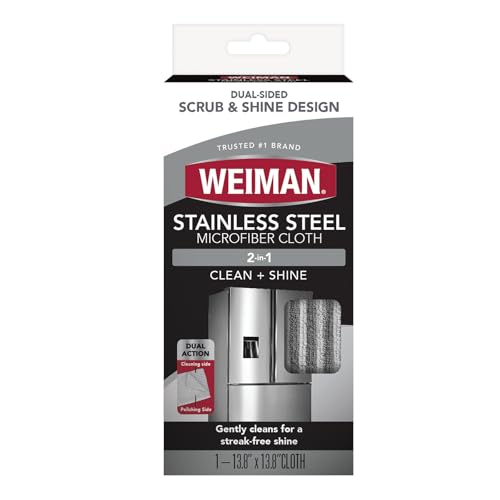
- Microfiber cleaning cloth for stainless steel
- Nylon scrub brush non-scratch for metal cookware


Before You Start
Test vinegar on a hidden spot first to ensure no surface discoloration. Use plain white vinegar (5–8% acidity) for most jobs. Dilute for delicate finishes and avoid prolonged soaking on soft metals. Protect surrounding areas from splashes and wear gloves if you have sensitive skin. Time estimates vary by task: quick wipe-downs take a few minutes; heavier tarnish may take 15–30 minutes.
Critical cautions: never use vinegar on unsealed stone or marble, and avoid leaving vinegar on copper or brass jewelry longer than recommended to prevent dulling or pitting.
Step-By-Step: How To Clean Metal With Vinegar
- Identify the metal type and finish to choose the appropriate cleaning approach.
- Prepare a mild vinegar solution by diluting white vinegar with water (1:1 for delicate finishes, full strength for heavy grime on sturdy metals).
- Spray the affected area evenly with the vinegar solution, coating the surface thinly.
- Let the solution sit for 2–5 minutes to break down mineral deposits and grime.
- Gently scrub with a nylon brush for stubborn areas, using circular motions. Avoid scrubbing too hard to protect finishes.
- Wipe away loosened grime with a microfiber cleaning cloth, then re-wipe with a dry section of the cloth for a streak-free finish.
- For stubborn tarnish on metals like brass or copper, repeat the spray, dwell, and scrub steps, or apply a paste of vinegar and salt as a mild abrasive.
- Rinse thoroughly with clean water if residues remain, then dry completely to prevent water spots or corrosion.
- Buff with a dry microfiber cloth to restore shine and remove any remaining haze.
- Apply a protective, residue-free polish if desired and appropriate for the metal type.
- Store vinegar cleaning tools and solutions in a cool, dry place away from children and pets.
- Document any finishes or coatings that may require professional care if cleaning reveals signs of wear.
Troubleshooting
| Symptom | Likely Cause | Fix | Prevention |
|---|---|---|---|
| Streaks on stainless steel | Residue or improper drying | Wipe with a fresh microfiber cloth while drying; ensure surface is dry | Dry surfaces promptly after cleaning |
| Dull or discolored spots after vinegar | Sensitive finish or overexposure | Rinse immediately and test in a hidden area | Dilute vinegar for delicate finishes |
| Tarnish returns quickly | Ongoing oxidation or protective coating wear | Repeat cleaning or consider professional refinishing | Regular, light cleanings to slow tarnish |
| Scratches appearing on metal | Aggressive scrubbing or abrasive cleaners | Use a softer cloth and non-scratch nylon brush | Avoid abrasive tools |
Common Mistakes
- Using undiluted vinegar on delicate finishes (risk of damage)
- Scrubbing too hard with brushes on polished metal
- Leaving vinegar on surfaces for extended periods
- Neglecting thorough drying after cleaning
Tips For Best Results
– Always start with the mildest cleaning approach and increase as needed. Patience pays off with metal finishes.
– Pair vinegar cleaning with microfiber cloths to minimize streaks and lint.
– For large areas, work in small sections to maintain a consistent finish.
– After cleaning, consider a light polish suitable for the metal type to maintain shine.
Call A Professional
Seek professional help if metals have deep pitting, extensive verdigris, or finishes that are peeling or flaking. Do not attempt aggressive restoration on antique or highly delicate items without expert assessment.
FAQ
Is vinegar safe for stainless steel appliances?
Yes, when diluted and used with a soft cloth or brush, it can remove fingerprints and grime without harming the finish.
Can vinegar damage copper or brass?
Vinegar can brighten but may cause discoloration if left on too long; always rinse quickly and test first on a hidden spot.
How long should vinegar sit on tough buildup?
Typically 2–5 minutes; longer dwell times may risk surface damage on sensitive finishes.
What’s the best substitute for delicate metals?
Use a mild dish soap solution and warm water for delicate metals, followed by thorough rinsing and drying.
Does vinegar leave residue after cleaning?
Rinse and dry thoroughly to prevent streaks or water spots; wipe with a microfiber cloth for best results.
Buying Guide
When choosing products for cleaning metal with vinegar, consider size, noise, energy use, controls, and placement. For quick household tasks, a compact 16 oz spray bottle is ideal for precise application and easy storage. If you clean large surfaces, a larger bottle may reduce reloading frequency yet still be easy to handle. For maintenance, a microfiber cloth designed for stainless steel helps achieve a streak-free finish with minimal effort. A non-scratch nylon scrub brush protects cookware and metal surfaces from abrasions. Look for bottles with secure caps to prevent leaks and labels that clearly indicate safety instructions. Consider how you’ll store cleaning tools near work areas like kitchens or garages, and choose products that are easy to reach during routine cleaning tasks.
Leave a Reply