How to Clean Matte Porcelain Tiles
Matte porcelain tiles offer a sophisticated, understated look that resists glare and fingerprints. However, their surface texture can trap dirt and develop dull spots if cleaned with the wrong products. This guide explains a practical, safe approach to keeping matte porcelain tiles bright and uniform without harming the finish or grout.
The cleaning plan emphasizes gentle cleaners, low-abrasion tools, and a consistent routine. Readers will learn step-by-step methods, common issues, and when to call in professional help. The focus is on methods that work well for homes with high-traffic floors, bathrooms, or kitchens that crave a pristine matte look without sheen or residue.
Quick Answer
Best overall method: use a pH neutral porcelain tile cleaner spray with a microfiber mop for most daily to weekly cleaning. For tougher spots, a steam mop designed for matte finishes can safely lift grime. Avoid acidic or alkaline cleaners that can discolor or dull the matte texture.
What You’ll Need
- pH neutral porcelain tile cleaner spray matte finish
- microfiber mop for matte porcelain tiles
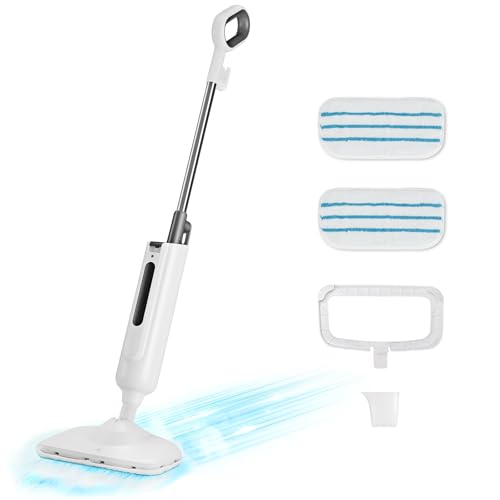
- steam mop for porcelain tile cleaning matte finish


Before You Start
Assess the area: ensure grout lines are in good condition and floor seams are intact. Vacuum or sweep to remove loose grit that could scratch the surface. Test any cleaner in an inconspicuous spot for 24 hours, especially near grout, before broad application. Wear non-slip shoes and avoid prolonged contact with wet flooring. Plan a cleaning session when foot traffic is light and the room is dry after cleaning to prevent slips.
Step-By-Step: How To Clean Matte Porcelain Tiles
- Dry sweep or vacuum the floor to remove loose dust and grit.
- Mist a light layer of pH neutral porcelain tile cleaner spray matte finish onto a small, workable area.
- Gently mop with the microfiber mop for matte porcelain tiles, using back-and-forth strokes to lift grime without soaking joints.
- Pay extra attention to grout lines; use a damp cloth or mop head to wipe along the grout to avoid grout haze.
- For stubborn spots, apply a second light spray and let it sit briefly before mopping again.
- Rinse the mop frequently to avoid re-depositing dirt; use clean water on a new pass if necessary.
- Allow the floor to air dry or dry with a clean microfiber cloth to prevent streaks.
- If you use a steam mop, ensure it’s rated for matte finishes and follow manufacturer directions to avoid over-wetting the tiles.
- Inspect for remaining spots; repeat the process on any high-traffic areas as needed.
- Maintain a routine: light cleaning every 1–2 weeks and spot-clean as spills occur.
Troubleshooting
| Symptom | Likely Cause | Fix | Prevention |
|---|---|---|---|
| Streaks or hazy film | Residue from cleaner or hard water | Rinse with distilled water and re-clean with a fresh microfiber mop | Use a pH-neutral cleaner and soft water |
| Grout darkening after cleaning | Moisture lingering in grout | Dry floors thoroughly; wipe grout with a dry cloth | Avoid over-wetting grout during cleaning |
| Scratches on matte surface | Abrasive pads or harsh cleaners | Stop using abrasive tools; switch to microfiber and pH-neutral cleaner | Regular light cleaning with non-abrasive tools |
| Sticky residue after cleaning | Soap-based cleaners left behind | Rinse floor with clean water and dry | Choose a dedicated tile cleaner and avoid detergents with waxes |
Common Mistakes
- Using acidic cleaners like vinegar or citrus on matte porcelain tiles.
- Over-wetting the floor, especially over grout lines.
- Using stiff brushes or abrasive pads that scratch the matte finish.
- Letting spills sit; they can attract dirt and leave marks on matte surfaces.
Tips For Best Results
- Clean with gravity-friendly routines: start at the farthest corner and work toward the exit to avoid stepping on cleaned areas.
- For high-traffic areas, consider a slightly more frequent routine with a diluted cleaner spray to prevent buildup.
- Choose a dedicated microfiber mop for matte porcelain tiles to minimize lint and streaking.
- Never mix cleaners; follow product labels for compatibility with matte finishes.
- If using a steam mop, ensure it has a matte-safe setting and use distilled water to reduce mineral deposits.
Call A Professional
Seek professional help if you notice persistent grout discoloration, deep staining, or surface etching that does not respond to routine cleaning. Stop using powerful cleaners or mop heads that could further damage the matte finish if problems persist. When in doubt, a licensed tile specialist can assess sealing needs and recommend appropriate maintenance products.
FAQ
Is a steam mop safe for matte porcelain tiles?
Yes, but only if the steam mop is rated for porcelain and has a setting appropriate for matte finishes. Follow manufacturer instructions to avoid glare or damage.
What cleaners should I avoid on matte porcelain?
Avoid acidic, alkaline, abrasive, or wax-based cleaners that can dull the finish or leave residue.
How often should I clean matte porcelain floors?
Typically every 1–2 weeks for routine cleaning, with spot-cleaning as needed after spills in between.
Can I seal matte porcelain tiles?
Sealing is usually not necessary for porcelain tiles, but grout sealing may help prevent staining in high-traffic areas. Consult a tile professional for grout-specific advice.
What’s the best mop for matte porcelain tiles?
A microfiber mop designed for matte porcelain tiles provides gentle cleaning and minimizes lint or streaks.
Why does matte tile look hazy after cleaning?
Hard water deposits or residual cleaner can cause a hazy look; switch to distilled water and re-clean with a microfiber mop.
Should I mop every day in busy kitchens?
Daily mop isn’t usually necessary; quick daily spot-cleaning and a thorough weekly clean keep matte tiles looking even and fresh.
Buying Guide
When choosing products for matte porcelain tiles, consider size, noise, efficiency, and control style. For spray cleaners, look for pH-neutral formulas labeled safe for matte finishes to prevent dulling. A dedicated microfiber mop designed for matte surfaces reduces lint and preserves texture. If considering steam cleaning, confirm the device has a matte-safe setting and use minimal moisture to avoid grout issues. Placement matters: keep entryways dry and use door mats to trap grit that can scratch surfaces. Compare products by how well they remove daily grime without leaving residue, and prioritize tools that are easy to replace or clean after use.
Leave a Reply