How to Clean Marmoleum Floors Safely and Effectively
Marmoleum floors offer a durable, natural option for homes and workspaces. Proper cleaning preserves their appearance and longevity while minimizing wear. This guide walks through practical methods using common, gentle cleaners to keep Marmoleum floors looking their best.
Light daily maintenance + periodic deeper cleaning can prevent dulling and residue buildup. The key is using pH-neutral products, a soft touch, and proper tools designed for linoleum and Marmoleum surfaces.
Quick Answer
- Choose a pH-neutral cleaner to avoid residue or damage.
- Use a microfiber mop to lift dirt without scratching.
- Wring well to prevent pooling and long drying times.
- Rinse lightly if your cleaner requires it, then dry the surface.
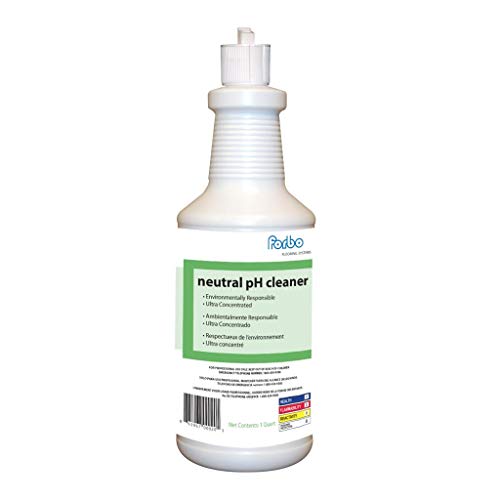


What You’ll Need
- Marmoleum floor cleaner pH neutral
- neutral pH floor cleaner for linoleum
- microfiber mop for linoleum floors
- Soft broom or dust mop
- Bucket with clean water
- Soft cloths or towels for drying
Before You Start
Before cleaning, remove loose debris with a soft broom or dust mop. Place mats at entrances to reduce tracked-in grit. Turn off electrical outlets in the area if you are cleaning around appliances, and ensure the room is well ventilated. Safety cautions include wearing non-slip footwear and avoiding excess moisture on seams or edges. A typical cleaning session for a standard room takes about 20–40 minutes, depending on soil level and floor size.
Step-By-Step: How To Clean Marmoleum Floors
- Dry-clean the floor first: sweep or dust mop to remove loose dirt, sand, and dust that can scratch Marmoleum during wet cleaning.
- Prepare the cleaning solution: mix a pH-neutral cleaner with water according to label directions. Avoid concentrated cleaners or highly acidic/alkaline products, which can dull the finish.
- Dip and wring the microfiber mop: dampen the mop but avoid soaking it. Excess moisture can seep into seams and edges.
- Clean in sections: work in small areas using a back-and-forth motion with light pressure to lift dirt.
- Rinse as needed: if your cleaner requires rinsing, use a clean water rinse on a new microfiber mop to remove any residual cleaning solution.
- Dry the floor: after mopping, dry with a clean microfiber cloth or dry mop to prevent standing water and streaks.
- Spot clean stubborn stains: use a small amount of neutral pH floor cleaner for linoleum on a soft cloth and blot gently; avoid abrasive scrubbing.
- Schedule regular maintenance: for high-traffic areas, repeat cleaning every week or as needed, and perform a deeper clean monthly with the same pH-neutral cleaners.
Troubleshooting
| Symptom | Likely Cause | Fix | Prevention |
|---|---|---|---|
| Streaks or dull appearance | Residue from cleaner or over-wetting | Rinse with clean water and dry thoroughly | Use a well-wrung microfiber mop; avoid overuse of cleaner |
| Sticky surface | Residue left behind | Wipe with a clean, damp microfiber mop and dry | Use only pH-neutral cleaners as directed |
| Warping at edges | Excess moisture seeping into seams | Limit water contact near seams; dry promptly | Wring mop well; use damp, not wet, cleaning method |
| Scratches from grit | Dust and grit on the floor when mopped | Vacuum or sweep thoroughly before wet cleaning | Use door mats and regular dry cleaning |
Common Mistakes
- Using highly acidic or alkaline cleaners on Marmoleum floors
- Soaking the floor with water, especially around seams
- Using abrasive pads or brushes that can scratch the surface
- Mixing cleaners that create residues or film buildup
Tips For Best Results
- Always use a microfiber mop for linoleum floors to minimize scratching and to trap dirt effectively.
- Test cleaners in a small, inconspicuous area before full-surface use.
- Protect high-traffic zones with rugs or runners to reduce soil buildup.
- Rotate cleaning routines to balance daily upkeep with periodic deep cleans.
Call A Professional
Consider a pro if Marmoleum floors show persistent staining, warping, or if you are unsure about the correct cleaner choice. Stop cleaning if you notice persistent discoloration, musty odors, or damage to the flooring; expert assessment may prevent further harm. For complex installations, cracked seams, or large areas with discoloration, a professional can recommend appropriate treatment options and maintenance plans.
FAQ
What pH level should Marmoleum cleaners have?
Choose a neutral pH cleaner to protect the floor’s finish and prevent residue buildup.
Can I use vinegar to clean Marmoleum?
Vinegar is acidic and may affect Marmoleum finishes; stick to pH-neutral cleaners designed for linoleum.
How often should I mop Marmoleum floors?
Light daily or every-other-day cleaning with a damp microfiber mop works well, with a deeper clean weekly or monthly depending on traffic.
Is it safe to use a steam mop on Marmoleum?
Steam mops can introduce excessive moisture; avoid or use with caution if the manufacturer approves it for Marmoleum.
Do I need to rinse after cleaning?
Rinse only if your cleaner requires it, otherwise dry thoroughly after cleaning to prevent streaks.
What should I do about spills?
Wipe spills immediately with a damp microfiber cloth to prevent staining and moisture buildup.
What about sealing Marmoleum floors?
Most Marmoleum floors are sealed; follow manufacturer guidelines for any sealant or protectant products. Use only products approved for linoleum finishes.
Buying Guide
When selecting cleaning products and tools for Marmoleum, consider size, noise level, energy efficiency, controls, and placement. For sample households, a compact mop bucket with a wringer and a high-quality microfiber mop for linoleum floors can cover small spaces efficiently, while larger areas benefit from a lightweight mop system that minimizes water usage. Look for a Marmoleum floor cleaner pH neutral or neutral pH floor cleaner for linoleum that explicitly states compatibility with linoleum and Marmoleum surfaces. Noise-conscious models for smaller apartments can improve daily routines without disturbance. Choose cleaners with simple dilution ratios and clear usage instructions to maintain consistent results. Finally, assess how the product feels during use—ease of wringing, weight, and maneuverability influence long-term satisfaction and adherence to a regular cleaning schedule.
Leave a Reply