How to Clean Marble Shower Safely and Effectively
Marble showers offer a timeless, elegant look, but their porous surface requires careful maintenance to prevent staining and etching. This guide walks through safe cleaning methods using stone-friendly products and practical steps to keep marble shower surfaces bright and protected.
Quick Answer
Use a pH-neutral cleaner specifically formulated for marble, apply with a soft microfiber pad, and rinse thoroughly. Seal the marble after cleaning to maintain stain resistance, and avoid acidic or abrasive cleaners that can dull or damage the surface.
What You’ll Need
- Marble shower cleaner pH neutral spray bottle
- Stone-safe marble sealer for showers
- Non-scratch microfiber scrub pad for marble shower cleaning

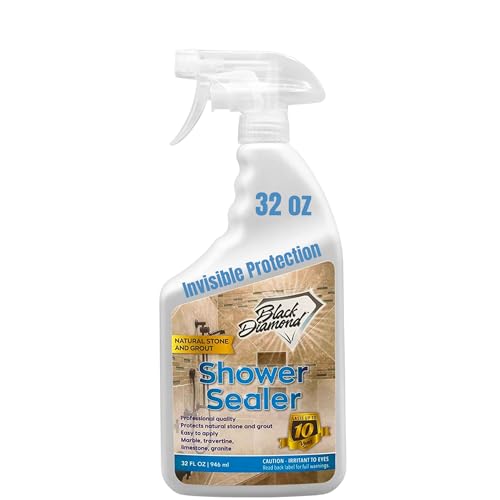

Before You Start
Before cleaning, inspect for loose grout or chipped tiles and address these issues separately. Work in a well-ventilated area and wear gloves to protect skin from cleaners. Time estimates: 15–30 minutes for a routine clean; sealing is typically done every 6–12 months depending on use. Do not use vinegar, citrus, or abrasive powders on marble, as these can etch the surface and void warranties.
Step-By-Step: How To Clean Marble Shower Safely
- Remove loose hair and soap scum with a dry microfiber cloth to start with a clean surface.
- Spray a pH-neutral marble cleaner onto the shower walls and doors, focusing on grout lines and any stained areas.
- Let the cleaner sit for 1–2 minutes to break down residue, then gently scrub with a non-scratch microfiber scrub pad.
- Rinse thoroughly with warm water, ensuring all cleaner residue is removed to prevent streaking.
- Dry surfaces with a clean microfiber towel to prevent water spots and mineral buildup.
- Inspect for remaining stains; repeat the gentle cleaning if necessary, avoiding heavy scrubbing on polished marble.
- Apply a thin, even coat of stone-safe marble sealer for showers according to product directions, typically after cleaning and drying.
- Allow the sealer to cure as specified, usually 24 hours, before exposing the surface to water.
- Wipe down after each use to reduce soap scum and mineral deposits, extending the life of the sealer.
- Schedule periodic maintenance cleaning with the same pH-neutral cleaner to preserve the marble finish.
- For heavily stained areas, consider repeating steps in a targeted area rather than aggressive scrubbing that could harm the surface.
- Store cleaning materials away from acidic cleaners and in a dry area to prevent chemical interactions.
Troubleshooting
| Symptom | Likely Cause | Fix | Prevention |
|---|---|---|---|
| Streaks after cleaning | Residue from cleaner or water spots | Rinse thoroughly and dry with a microfiber towel | Use a final dry pass after cleaning |
| Stains persist on marble | Mineral deposits or oil-based soiling | Re-clean with a pH-neutral cleaner and scrub only with a non-scratch pad | Wipe surfaces dry after showers |
| Etching or dull spots | Abrasive cleaners or acidic products | Stop using abrasive or acidic products; re-seal if needed | Stick to stone-safe cleaners |
| Seal not absorbing | Surface already sealed or highly glossy | Follow sealer instructions; test a small area | Seal only when recommended and avoid over-application |
Common Mistakes
- Using acidic cleaners (vinegar, lemon zest) on marble
- Scrubbing with abrasive pads or steel wool
- Neglecting rinsing, leaving cleaner residues behind
- Over-sealing or applying sealant too soon after cleaning
Avoid these missteps to maintain the marble’s shine and longevity.
Tips For Best Results
- Test cleaners on a small, inconspicuous area first to verify compatibility
- Keep humidity in check to reduce mineral buildup; a small fan helps
- Use a dedicated microfiber pad for marble only to prevent cross-contamination with harder surfaces
- Choose a breathable sealer and follow curing times precisely
- Maintain a routine cleaning schedule to prevent heavy buildup
Call A Professional
Seek professional help if marble shows deep etching, severe staining that resists cleaning, or grout damage that could allow water intrusion. Stop and contact a pro if the surface becomes visibly dull, cracked, or if sealing results in uneven appearance. A specialist can advise on repair or recoating options that preserve marble integrity.
FAQ
What is the best cleaner for marble shower surfaces?
A pH-neutral marble cleaner is recommended to prevent etching and maintain the finish.
How often should I seal marble in a shower?
Sealing is typically done every 6–12 months, depending on use and moisture exposure.
Can I use a vinegar-based cleaner on marble?
No, acidic cleaners can etch marble and should be avoided.
What should I do after cleaning marble to keep it protected?
Dry the surface with a microfiber towel and apply a stone-safe sealer as directed by the product.
Is it necessary to reseal after every cleaning?
No; resealing is not required after every cleaning. Follow the sealer’s recommended interval.
Buying Guide
When selecting products for marble shower care, consider size and coverage, compatibility with stone, and application ease. Look for reputable stone-safe marble sealer for showers options and ensure the cleaner is pH neutral. A non-scratch microfiber scrub pad supports gentle cleaning without damaging the surface. For bathrooms with hard water, consider a cleaner formulated to handle mineral deposits. Placement matters too; store cleaners in a cool, dry area away from direct sunlight to preserve effectiveness. Compare products based on ease of use, cure times for sealers, and warranty coverage to ensure long-term protection of marble surfaces. Would a combined kit with cleaner, sealer, and pads suit your routine? It often simplifies maintenance and helps ensure compatibility across all components.
Leave a Reply