How to Clean a MAF Sensor Safely and Effectively
The mass air flow (MAF) sensor plays a critical role in an engine’s fuel-air mixture. A dirty or faulty MAF sensor can cause rough idle, poor acceleration, reduced fuel economy, or stalling. This guide walks through a practical, step-by-step approach to clean a MAF sensor using common spray cleaners designed for automotive use.
Quick Answer
Gently remove the MAF sensor from the intake housing, spray the sensor element with a dedicated MAF sensor cleaner, allow it to dry completely, reattach, and clear any fault codes if present. Do not touch the sensing element with fingers or tools. Use a dedicated MAF sensor cleaning product for best results.
What You’ll Need
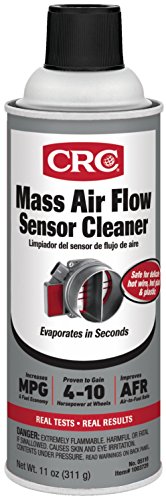
- Mass air flow sensor cleaner spray
- MAF sensor cleaning kit with spray
- Car engine mass air flow sensor cleaner aerosol can
- Safety gloves and eye protection
- Soft, lint-free cloth or paper towels
- Owner’s manual or service manual for your vehicle

Before You Start
Before beginning, ensure the engine is cool and the vehicle is in a well-ventilated area. Disconnect the negative battery terminal to avoid any electrical shorts. Remove the air intake duct and locate the MAF sensor, which is typically mounted between the air filter and the throttle body. Do not scrub or touch the sensor’s delicate elements. The cleaning process should take about 20–40 minutes, depending on accessibility and your familiarity with the layout.
Step-By-Step: How To Clean A MAF Sensor
- Disconnect the negative battery terminal and locate the MAF sensor inside the air intake tube.
- Inspect the MAF sensor housing for buildup around the sensor and on the intake tube closely around the sensor.
- Remove the sensor from the duct by loosening the screws or clamps as specified in the service manual.
- Hold the sensor carefully and avoid touching the sensing element with your fingers or any tool.
- Spray the sensor element lightly with the Mass air flow sensor cleaner spray or MAF sensor cleaning kit with spray. Keep the can at an appropriate distance to prevent liquid pooling.
- Wipe away residue with a soft, lint-free cloth if needed, being careful not to rub the sensor surface.
- Let the sensor air-dry completely for at least 10 minutes before reinstalling. Do not use compressed air or heat to speed up drying.
- Reinstall the sensor into the housing, reconnect the wiring, and reattach the air intake duct.
- Reconnect the negative battery terminal and start the engine. If the Check Engine Light was on, use an OBD-II scanner to reset codes after a short drive.
- Test drive and observe for improved idle smoothness and throttle response. If symptoms persist, consider additional inspection or replacement.
- Keep the spray nozzle clean and store the can upright to avoid nozzle clogging for future maintenance.
Troubleshooting
| Symptom | Likely Cause | Fix | Prevention |
|---|---|---|---|
| Rough idle or stalling after cleaning | Residual cleaner or misread sensor | Re-scan for codes and drive gently to re-learn | Ensure complete drying before reassembly |
| Check Engine Light remains on | Fault codes not cleared or sensor damage | Clear codes with an OBD-II scanner; inspect wiring | 22/24-hour post-clean data check |
| Reduced fuel economy | Sensor not calibrated after cleaning | Reset fault codes and perform idle relearn if applicable | Follow vehicle-specific procedures |
| Spotted liquid on sensor | Over-spraying cleaner | Completely dry the area and recheck | Use short, light sprays |
Common Mistakes
- Using general cleaner not intended for sensors, which can leave residues
- Touching the sensing element with fingers or tools
- Using excessive spray or leaving the sensor wet
- Rushing the drying process or not reassembling correctly
Avoid these pitfalls by adhering to the product instructions and allowing full drying time before reinstalling.
Tips For Best Results
- Perform cleaning in a well-ventilated area to minimize inhalation exposure to fumes.
- Use a dedicated MAF cleaner spray to prevent residue that can affect readings.
- Refer to your vehicle’s service manual for step-by-step disassembly guidance and torque specs.
- Consider cleaning the intake air filter at the same time to prevent recontamination.
- After installation, run the engine through a basic drive cycle to re-learn idle and fuel mappings.
Call A Professional
Consult a mechanic if you notice persistent idle issues, continued stalling, severe engine misfires, or warning lights after cleaning. Seek professional help if you hear unusual noises from the intake, or if the MAF sensor body appears damaged or cracked. If electrical wiring shows corrosion, a pro should inspect the harness and sensor connectors.
FAQ
Can I use any spray to clean a MAF sensor?
Only use a cleaner specifically formulated for MAF sensors to avoid leaving conductive or drying residues on the element.
How long does it take for the MAF sensor to dry?
Typically 10 minutes or longer in a well-ventilated area; ensure no moisture remains before reinstalling.
Will cleaning a MAF sensor fix poor idle?
It can help if buildup was causing sensor readings; if symptoms persist, other issues may be involved.
Should I replace the MAF sensor after cleaning?
If cleaning does not resolve issues or if the sensor is physically damaged, replacement may be necessary.
Buying Guide
When selecting a MAF sensor cleaner, look for compatibility with your vehicle and a formulation that evaporates quickly without leaving residue. Consider the following factors to ensure reliable results and ease of maintenance.
- Size and coverage: Choose a spray bottle size that suits your maintenance schedule. A larger can is cost-effective for multiple cleanings, while smaller cans are convenient for quick deals.
- Spray mechanism: A fine spray helps prevent excess liquid on the sensor. Look for aerosol cans or kit sprays designed for automotive use.
- Material compatibility: Ensure the cleaner is safe for plastic housings and metal sensor components common in cars.
- Drying time: Quick-drying formulas reduce downtime and speed up the reassembly process.
- Instructions: Clear, vehicle-specific guidance helps avoid common mistakes during disassembly and reassembly.
- Availability of kits: A MAF sensor cleaning kit with spray can include tools or applicators tailored for safe cleaning.
- Storage and safety: Store upright in a cool, dry place; check for child safety and ventilation guidance on the label.
Consider pairing a dedicated Mass air flow sensor cleaner spray or MAF sensor cleaning kit with spray with your regular maintenance routine. Regular cleaning can help sustain optimal air-fuel mix and performance, especially in dusty or urban environments.
Leave a Reply