How to Clean Lube on a Bicycle Chain
Regularly cleaning and reapplying lubricant on a bicycle chain helps extend drive-train life, reduces wear, and keeps shifting smooth. This guide focuses on practical, user-friendly steps using common bike maintenance tools to remove old lubricant, dirt, and grime effectively.
By following a structured routine, riders can prevent buildup that leads to poor performance and costly repairs. The techniques below are suitable for most standard chain and drivetrain configurations found in American everyday bikes.
Quick Answer
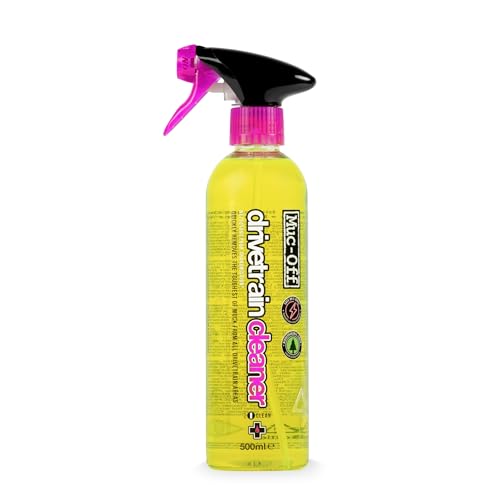
Best quick approach: apply a bike chain degreaser spray to loosen old lube, scrub with a chain cleaning brush set, rinse or wipe with microfiber cloths, then re-lubricate and wipe away excess oil for a clean, quiet drivetrain.
What You’ll Need
- Bike chain degreaser spray
- Chain cleaning brush set
- Microfiber cleaning cloths for grease


Before You Start
Prepare a work area with good ventilation and a stable stand or bike repair stand. Protect the floor with a sheet or newspaper to catch runoff. Wear gloves to minimize skin contact with solvents. Never mix degreaser with direct heat or open flames. Allow the drivetrain to cool before handling, and consider removing the rear wheel for better access. Time for the process typically ranges from 15 to 30 minutes, depending on drivetrain complexity.
Step-By-Step: How To Clean Lube On A Bicycle Chain
- Secure the bike on a stand and shift to the smallest chainring and largest rear cog to expose the chain.
- Spray a liberal, even coating of bike chain degreaser spray along the chain, focusing on the inner plates where grime accumulates.
- Let the degreaser sit for about 30 seconds to loosen old lubricant and dirt.
- Use the chain cleaning brush set to scrub every link as you rotate the crank. Alternate brushes to target rock-hard grime and stubborn buildup.
- Wipe the chain with microfiber cleaning cloths to remove loosened grease and dissolved residue. Repeat spraying and brushing as needed.
- Rinse or wipe the drivetrain with a clean cloth to remove final traces of degreaser. Ensure no solvent is left pooled on the chain.
- Dry the chain completely with a fresh microfiber cloth or allow it to air dry for a few minutes in a well-ventilated area.
- Apply a thin, even coat of your preferred bicycle chain lubricant onto each inner link as the chain slowly rotates. Avoid over-lubricating; excess attracts dirt.
- Wipe off any excess lubricant from the outer surfaces and pulleys to prevent sling-off when riding.
- Recheck drivetrain performance by pedaling slowly and observing smooth engagement through all gears. Listen for squeaks and re-lubricate sparingly if needed.
- Dispose of used rags and empty degreaser containers according to local hazardous-waste guidelines.
Troubleshooting
| Symptom | Likely Cause | Fix | Prevention |
|---|---|---|---|
| Chain remains squeaky after cleaning | Insufficient lubrication or dried residue | Apply a thin coat of lubricant and ride slowly to distribute | Clean and re-lubricate on a regular schedule |
| Chain slipping or poor shifting | Damaged chain, worn cassette, or misaligned derailleur | Inspect for wear; replace worn parts; adjust derailleur | Monitor wear and replace components as needed |
| Excessive grease fling | Over-lubrication | Wipe excess from outer plates and pulleys | Apply sparingly and clean more often |
| Solvent smell after cleaning | Residual degreaser | Rinse and dry thoroughly | Ventilate area during cleaning |
Common Mistakes
- Using too much degreaser, which can wash away essential lubrication from bearings
- Not drying the chain fully before applying lubricant
- Overlooking the chainrings and cassette when cleaning
- Forgetting to wipe away excess lube after application
Being mindful of these pitfalls can help maintain a clean drivetrain with minimal downtime between rides.
Tips For Best Results
- Choose a dedicated chain degreaser spray formulated for bicycle parts to minimize corrosion risk.
- Use a two-towel approach: one for dirty residue and one for clean surfaces to avoid cross-contamination.
- When brushing, rotate the crank slowly to ensure all links are scrubbed evenly.
- Let the chain dry completely before applying lubricant to prevent dilution of lubrication.
- Keep a regular maintenance schedule to catch wear early and extend component life.
Call A Professional
If the chain shows significant wear, stretched links, stiff links, or if shifting remains rough after cleaning and lubrication, consider consulting a professional bike mechanic. Immediate signs to seek help include persistent squeaks, skipped gears under load, or suspected damage to the derailleur or chainrings.
FAQ
Can I use household solvents to clean my bike chain?
Use purpose-built bike degreasers when possible. Household solvents can be harsh on seals and may leave residues that attract more dirt.
How often should I clean and lube my chain?
For most riders, cleaning every 1–2 months and lubricating after every deep clean keeps drivetrain performance reliable.
Should I lubricate the entire chain or just the inner links?
Apply lubricant to the inner plates as the chain rotates, then wipe away excess from the outer surfaces.
What type of lubricant is best for dry climates?
Dry lubricants reduce dust attraction in dusty environments; apply thinly and re-wipe as needed.
Is it okay to ride with a dirty chain temporarily?
A dirty chain can accelerate wear; aim to clean and re-lubricate before long rides or weekly use.
Can I reuse old degreaser?
Dispose of used degreaser according to local guidelines; stale degreaser can lose effectiveness.
Buying Guide
When selecting products for cleaning and lubricating a bicycle chain, consider several factors that affect performance and maintenance ease.
Size and compatibility: Choose a degreaser and brushes that fit your drivetrain width (single-speed, 10–11 speed, or wider). A compact brush set is handy for converters or compact setups.
Noise level and efficiency: Efficient degreasers reduce scrubbing time and minimize residual grease that can cause squeaks. Look for formulations that are safe for seals and bearings.
Energy efficiency of maintenance routine: Regular, quick cleanings prevent major overhauls, saving time and effort over the bike’s life cycle.
Controls and application: Spray-degreaser sprays offer straightforward use, while brush sets provide targeted scrubbing for stubborn grime.
Placement and storage: Keep cleaning supplies near the workspace, away from heat sources and direct sunlight; store microfiber cloths for reuse after separate cleaning sessions.
Leave a Reply