How to Clean Low Pile Carpet: A Practical Guide
Low pile carpet is a popular choice for many American homes due to its modern look and easy upkeep. Proper cleaning not only restores a fresh appearance but also extends the life of the carpet fibers. This guide walks through effective methods, required tools, and practical tips tailored to low-pile surfaces.
Readers will find a concise plan that blends routine maintenance with deeper cleaning techniques, so ceilings, walls, and furniture remain unhindered while you tackle dirt and stains on the floor.
Quick Answer
For everyday dirt, use a vacuum with strong suction and a rotating brush to lift debris from the fibers. For spills and stains, blot first, then treat with a carpet stain remover spray designed for low-pile carpet. For deeper cleaning, a steam carpet cleaner with dual tanks can extract grime and leave the carpet drier, while an upright vacuum cleaner for low pile carpet with high suction is ideal for maintenance between deep cleans.
What You’ll Need
- Upright vacuum cleaner for low pile carpet with high suction
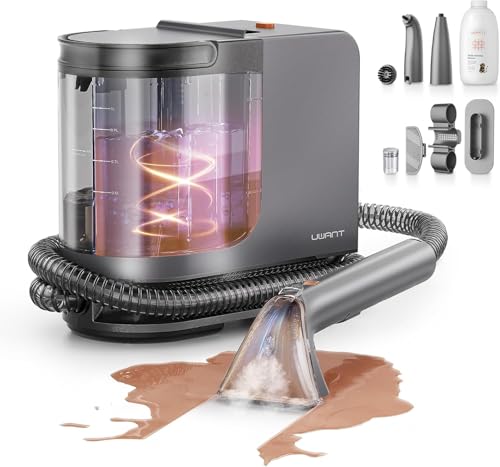
- Steam carpet cleaner for low-pile carpets with dual tanks
- Carpet stain remover spray for low pile carpet deep cleaning


Before You Start
Clear the area of furniture and small items to give you full access to the carpet. Vacuum the entire space first to remove loose dirt before applying any cleaning solution. Test cleaning products on a hidden area first to ensure they do not discolor or damage fibers. Allow ample time for the carpet to dry after cleaning—typically 4–6 hours in a well-ventilated area.
Step-By-Step: How To Clean Low Pile Carpet
- Vacuum thoroughly across the full surface, using slow, deliberate passes to lift embedded dirt.
- Inspect for high-traffic stains and pre-treat with a carpet stain remover spray for low pile carpet deep cleaning.
- Blot fresh spills with a clean cloth to absorb as much liquid as possible before applying cleaner.
- Apply the stain remover per label directions, testing first in a discreet spot.
- Let the solution dwell briefly, then blot and gently scrub with a soft brush if needed.
- If using a steam carpet cleaner for low-pile carpets, fill the dual tanks as instructed and run the machine over the area in slow, overlapping passes.
- Rinse or extract with the machine, removing as much moisture as possible to speed up drying.
- Run a final dry pass with the vacuum to lift any remaining moisture and debris.
- Allow the carpet to air-dry fully before replacing furniture to prevent new stains or color transfer.
- For persistent odors or heavy staining, repeat the cleaning cycle on affected areas after the carpet dries.
- Schedule routine cleanings every 6–12 months, depending on traffic and household pets.
- Maintain by vacuuming at least once per week and addressing spills immediately to protect the fibers.
Troubleshooting
| Symptom | Likely Cause | Fix | Prevention |
|---|---|---|---|
| Streaks after cleaning | Excess cleaning solution left behind | Rinse with clean water and extract thoroughly | Use minimal solution per area |
| Sticky residue | Wrong cleaner for low-pile carpet | Switch to a product designed for low-pile fibers | Test on hidden spot first |
| Rug still damp after several hours | Poor airflow or heavy cleaning | Increase ventilation; use fans | Clean smaller sections at a time |
| Fiber fraying after brushing | Aggressive scrubbing | Switch to a soft brush and gentle motions | Be gentle near edges and seams |
Common Mistakes
- Over-wetting the carpet, which slows drying and can promote mold.
- Using steam cleaners without proper dual-tank setup, leading to re-soiling.
- Skipping a test patch, risking color bleeding or fiber damage.
- Neglecting routine vacuuming between deep cleans, allowing dirt to set.
Tips For Best Results
- Vacuum with consistent, slow passes to dislodge deep-set dirt from low-pile fibers.
- Work from one corner to the opposite side to avoid stepping on wet areas.
- Use a carpet stain remover spray specifically formulated for low-pile carpets to avoid residue buildup.
- Keep the room well-ventilated during and after cleaning to speed drying.
- Place mats at entrances to minimize tracked-in dirt between cleanings.
Call A Professional
Consider professional cleaning if the carpet is heavily soiled, has stubborn stains that resist at-home treatments, or shows signs of mold or water damage. If you notice persistent odors after cleaning, or if the carpet is fraying at edges, a pro can assess structural issues and provide specialized cleaning methods.
FAQ
How often should I deep clean low-pile carpet?
Most homes benefit from a deep clean every 6–12 months, with high-traffic areas cleaned more frequently.
Can I use a steam cleaner on all low-pile carpets?
Yes, but ensure dual tanks are used to separate clean and dirty water and follow the manufacturer’s recommendations for your carpet type.
What should I do about pet stains on low-pile carpet?
Blot first, treat with a pet-safe stain remover, and consider a steam clean to extract deep-down contaminants.
Is it okay to mix cleaners when cleaning low-pile carpet?
Avoid mixing cleaners; use products designed for low-pile carpets and follow label instructions to prevent chemical reactions.
What tools help maintain low-pile carpets between cleans?
Regular vacuuming with a high-suction upright and spot-treating spills promptly helps preserve appearance and longevity.
Buying Guide
When choosing cleaning equipment for low-pile carpet, consider key factors such as size and weight, noise level, energy efficiency, controls, and placement in the home. A compact upright vacuum cleaner for low pile carpet with high suction is convenient for stairs and tight rooms, while a steam carpet cleaner for low-pile carpets with dual tanks offers deeper cleaning for stubborn stains without saturating the fibers. For ongoing stain management, keep a carpet stain remover spray for low pile carpet deep cleaning on hand. Compare models based on tank capacity, heat recovery time, and ease of maneuverability to fit your space and schedule.
Leave a Reply