How to Clean Love Bugs Off Your Car
Love bugs can leave stubborn deposits on a vehicle’s finish, especially during peak season. Proper cleaning protects clear coats and preserves shine without harming the paint. This guide provides practical, step-by-step methods using common car care tools and products designed for bug residue removal.
Quick Answer
To remove love bug residue effectively, rinse with water, treat with a bug and tar remover spray, gently agitate with a microfiber towel, and finish with a car clay bar kit for smoothness. Always wash and dry the area afterward to prevent water spots and re-deposits.
What You’ll Need
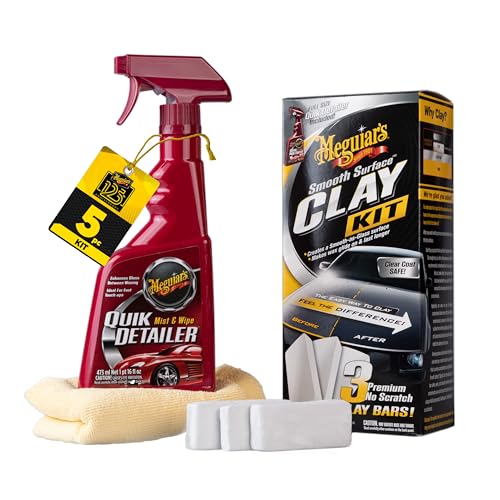
- Bug and tar remover spray 16 oz automotive clear coat safe
- Microfiber detailing towel for bug residue car cleaning
- Car clay bar kit for bug residue removal


Before You Start
Inspect the painted surface for chips or cracks. Avoid scrubbing aggressively on damaged areas, which can worsen the finish. Work in a shaded area or during cooler parts of the day to reduce drying streaks. Test any product on a small, inconspicuous patch first. For best results, plan a full wash and wax routine after bug removal to maintain gloss.
Cautions: Do not use abrasive pads on clear coats. Keep remover sprays away from rubber seals and chrome trim, which can deteriorate over time. Follow product directions for contact time and dilution if applicable.
Step-By-Step: How To Clean Love Bugs Off Your Car
- Rinse the car surface thoroughly with a gentle stream of water to loosen bug splatter and reduce friction during cleaning.
- Apply bug and tar remover spray 16 oz automotive clear coat safe directly to the affected area, keeping within the recommended contact time on the label.
- Let the spray dwell for 30–60 seconds to soften residue, especially on dried deposits.
- Gently wipe with a microfiber detailing towel for bug residue car cleaning, using light, straight motions to lift residue without scratching.
- For stubborn spots, reapply remover and use a second microfiber towel to buff in a controlled pattern.
- Use the car clay bar kit for bug residue removal as a follow-up to remove remaining contaminants and create a smooth surface. Knead and flatten the clay as instructed, then glide it over the surface with light pressure and a lubrication spray or soapy water.
- Rinse again to remove clay residues, then wash the entire vehicle with car shampoo to remove any leftover contaminants.
- Dry with a clean microfiber towel or a dedicated drying towel, ensuring no water spots form on panels.
- Apply a protective wax or sealant after drying to lock in the shine and provide an added barrier against future bug splatters.
- Inspect doors, fenders, and the grille for missed spots and repeat the process if necessary, especially in high-traffic bug zones.
- Finish with a quick detail spray on chrome trim and plastic bumpers to restore luster and shielding.
Troubleshooting
| Symptom | Likely Cause | Fix | Prevention |
|---|---|---|---|
| Residue remains after initial wipe | Residue is baked on or has dried too long | Reapply remover and extend dwell time; use clay bar with lubrication | Rinse and clean promptly after exposure |
| Scratches appear after cleaning | Abrasive cleaning tool or dry wiping | Switch to fresh microfiber towels and use light pressure | Keep towels clean and use lubrication |
| Water spots after drying | Surface not fully wet or improper drying technique | Dry in a shaded area, with a soft drying towel | Use a water deionizer or rinse aid if available |
| Streaks on windows | Cleaner residue on glass | Use a glass-safe cleaner or rinse thoroughly | Avoid spraying cleaners directly on glass edges |
Common Mistakes
- Using harsh brushes or dirty towels on fresh paint
- Skipping the lubrication step before clay bar use
- Ignorantly mixing products not designed for clear coats
- Dirty or abrasive drying methods that introduce swirl marks
- Directly targeting chrome trim with tar remover without protection
Tips For Best Results
- Work in cool, shaded conditions to reduce quick drying of cleaners and clay lubricants.
- Keep a dedicated set of tools for bug removal to avoid cross-contamination with other detailing tasks.
- Test each product on a small area first to confirm compatibility with the vehicle’s clear coat.
- Follow with a paint-safe wax or sealant to create a hydrophobic layer that resists future bug splatter.
Call A Professional
Seek professional help if the bug residue covers large sections of the vehicle, if there are extensive paint damage, or if the clear coat shows peeling. Do not attempt aggressive claying on damaged finishes, as this can worsen the issue. If corrosion or mismatched paint appears, consult a body shop or detailing professional promptly.
FAQ
Can I use household cleaners to remove love bugs?
Household cleaners may be too harsh for clear coats; use products formulated for automotive paint and follow label directions.
Will bug residue damage my clear coat?
Prolonged exposure can dull the finish; cleaning promptly with proper products helps prevent damage.
Is clay bar safe on metallic paints?
Yes, when used with proper lubrication and light pressure; follow kit instructions to avoid marring.
How often should I treat bug residue?
During peak bug season, inspect and clean as needed after drives through affected areas, and wash vehicles regularly to maintain protection.
Buying Guide
Choosing the right tools for removing love bugs involves examining size, effectiveness, and ease of use. Consider the following factors to match your vehicle care routine:
- Size and coverage: A 16 oz bottle is typically sufficient for regular use; larger vehicles or frequent drives may benefit from a larger bottle for longer intervals.
- Effectiveness: Look for formulations specifically labeled for bug residue and clear coat safety to protect paint while cleaning efficiently.
- Surface compatibility: Ensure the product is safe for clear coats and chrome trim if applicable.
- Tools compatibility: Pair sprays with a soft microfiber towel and a car clay bar kit designed for automotive finishes.
- Lubrication need: Clay bars require a lubricating spray or soapy water; verify compatibility with your chosen kit.
- Maintenance routine: Plan a follow-up wax or sealant to enhance gloss and reduce future residue adhesion.
- Storage and safety: Store away from heat and sunlight; follow all safety guidelines for handling cleaners and clay tools.
- Noise and energy considerations: Not applicable to cleaning products, but quiet washing routines can improve user satisfaction during detailing.
With the right combination of bug and tar remover spray, a microfiber detailing towel, and a car clay bar kit, removing love bugs becomes a straightforward maintenance task. Ready to protect your car’s finish while enjoying a clear, glossy look?
Leave a Reply