How to Clean Linen Upholstery
Linen upholstery adds a timeless, breathable feel to living spaces, but its natural fibers require careful cleaning to maintain appearance and longevity. This guide explains practical methods for refreshing linen fabrics, including when to use spray cleaners, steamers, or a dedicated upholstery cleaning machine. Readers will find step‑by‑step instructions, safety notes, and product suggestions tailored to linen upholstery care.
Quick Answer
For routine refreshes, start with a gentle linen upholstery cleaner spray for fabric upholstery and a handheld fabric steamer to lift wrinkles and loosen soil. For deeper stains or heavy use, consider an upholstery cleaning machine steam cleaner for linen fabrics and follow up with a vacuum brush attachment to remove loosened debris.
What You’ll Need
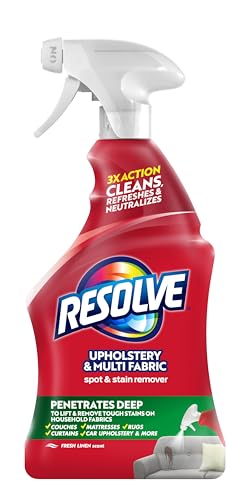
- Linen upholstery cleaner spray for fabric upholstery (gentle, fabric-safe formula)
- Handheld fabric steamer for linen upholstery (quick wrinkle removal and surface refresh)
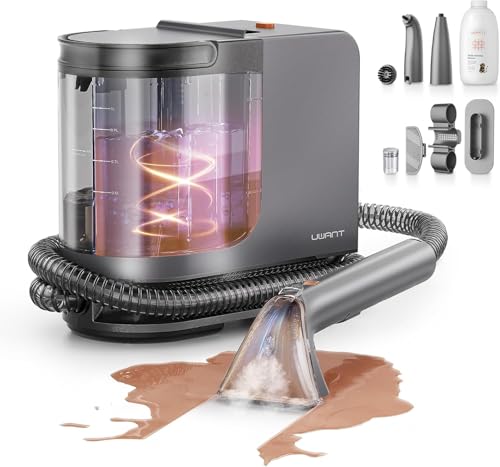
- Upholstery cleaning machine steam cleaner for linen fabrics (deep cleaning and sanitizing)
- Vacuum with upholstery attachment
- Microfiber cloths
- Soft-bristle brush
- Water and a mild detergent (if using a spray cleaner)

Before You Start
Read product labels for any fabric warnings and test a hidden area of the upholstery with the cleaning products. Always perform a spot test on an inconspicuous seam or cushion edge to prevent discoloration. Work in a well‑ventilated area and avoid soaking the fabric. Allow ample drying time, especially in high‑humidity rooms. Important: linen fibers can water stain or shrink if over-wetted, so use minimal moisture and proceed in small sections.
Step-By-Step: How To Clean Linen Upholstery
- Vacuum the fabric thoroughly with the upholstery attachment to remove loose dirt and dust from seams and cushions.
- Test a hidden area with the linen upholstery cleaner spray for fabric upholstery to confirm colorfastness.
- Lightly mist the fabric with the cleaner, following the product directions, keeping the spray at a distance to avoid saturation.
- Gently blot stains with a microfiber cloth rather than rubbing, which can push soil deeper into the fibers.
- For wrinkles and fresh smells, use the handheld fabric steamer for linen upholstery at a safe distance and in slow, vertical passes.
- For deeper cleaning, use the upholstery cleaning machine steam cleaner for linen fabrics on a low setting, working in small sections and avoiding oversaturation.
- Air out the furniture by opening windows or using a fan to speed drying; resist sitting on the fabric until it is completely dry.
- Finish with a light vacuum pass to lift nap and restore texture after cleaning.
- Address stubborn stains with repeat light applications rather than aggressive scrubbing.
- Store cleaners and steamers in a cool, dry area away from direct sun to prevent degradation of tools and fabrics.
- Optional: apply a fabric protector designed for linen fabrics after full drying to help repel future spills.
- Document any persistent stains that do not respond to home treatment and plan a professional cleaning if needed.
Troubleshooting
| Symptom | Likely Cause | Fix | Prevention |
|---|---|---|---|
| Dark damp spots after cleaning | Over-wetting | Dry surface thoroughly and re‑dry in a well‑ventilated area | Use minimal moisture; test before heavy cleaning |
| Streaks or water marks | Uneven moisture distribution | Apply cleaner in small sections; blot from outside in | Work in cool, indirect light to prevent rapid drying |
| Fading color after stain treatment | Harsh cleaner or improper spot test | Scrub less; use a fabric‑safe product and re-test | Always patch test on hidden areas first |
| Fabric feels stiff after drying | Overuse of cleaner or detergent residue | Vacuum and gently brush nap; avoid over-wetting | Rinse only as directed by product label |
Common Mistakes
- Using heavy or abrasive cleaners on linen upholstery
- Soaking the fabric rather than lightly misting when cleaning
- Rubbing stains aggressively, which pushes soil deeper
- Skipping a proper test patch before full application
Tips For Best Results
- Clean linen upholstery in a shaded area to prevent sun fading during drying.
- Work in sections to ensure even cleaning and drying across cushions and seams.
- Combine a spray cleaner with a handheld steamer for refreshed fabric and reduced wrinkles.
- Protect the fabric with a linen‑friendly spray protector after cleaning and drying completely.
Call A Professional
Consider contacting a professional if the linen upholstery has extensive staining, watermarks, or delicate natural fibers that require specialized care. Stop and seek help sooner if the fabric is heavily soiled, if colors bleed during cleaning, or if there are persistent odors that do not improve after home treatment.
FAQ
Can I use any linen upholstery cleaner spray on fabric upholstery?
Use only cleaners labeled for upholstery fabrics and test first on a hidden area to prevent color changes.
Is a steam cleaner safe for linen fabrics?
Yes, but use low heat and minimal moisture; always follow the manufacturer’s instructions and patch test beforehand.
How long does linen upholstery take to dry after cleaning?
Drying times vary with room conditions, but plan several hours and ensure good air circulation.
Should I vacuum after cleaning?
Yes, a post-cleaning vacuum helps remove loosened soil and lift the nap for a fresh look.
Buying Guide
When choosing tools and products for linen upholstery, consider size, noise, energy efficiency, controls, and placement. For cleaners, look for fabric‑safe formulations that are specifically rated for linen to minimize color loss. A handheld fabric steamer is useful for quick refreshes and wrinkle reduction, especially on larger sofa cushions. If opting for a dedicated upholstery cleaning machine steam cleaner, check hose length, heater output, and compatible linen fabric settings. For placement, keep cleaning devices within easy reach of the furniture and ensure cords do not create tripping hazards. Compare cleaning speeds, drying times, and refill options to ensure the setup fits both maintenance routines and living space layouts.
Leave a Reply