How to Clean Like a Maid: Practical Techniques for a Sparkling Home
Maintaining a spotless home doesn’t require professional help for every task. With the right tools and a simple routine, American households can achieve maid-quality cleanliness efficiently. This guide breaks down a practical approach using common, effective supplies and step-by-step methods.
Whether tackling kitchen grease, bathroom grime, or dusty surfaces, a consistent system helps keep rooms fresh. The emphasis here is on techniques you can apply with everyday equipment, including microfiber cloths, an extendable duster, and a steam mop with grout cleaning capabilities.
Quick Answer
Quick method: Use the microfiber cloths for dries and shines, the extendable duster for hard-to-reach areas, and the steam mop to refresh floors and grout. Start from the top and work down, plan a 20–40 minute routine per room, and dry surfaces as you go to prevent streaks.
What You’ll Need
The following supplies cover common cleaning tasks efficiently. Include each item if available to maximize results:
- Microfiber cleaning cloths set 12×12 inches for kitchen and bathroom – for dusting, wiping, and polishing without chemical residue
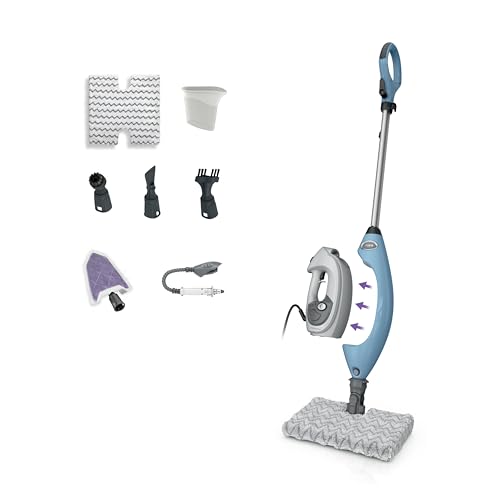
- Steam mop with grout cleaning function – to sanitize floors and blast away embedded grout grime
- Extendable duster with microfiber dusting heads – reach ceilings, fans, shelves, and corners


Before You Start
Before beginning, consider room layout and surface types. Protect delicate finishes and unplug appliances when cleaning nearby. Plan a realistic time window for each area, and wear gloves if you have sensitive skin. Test any new product on a hidden area first to avoid damage. A brief declutter ensures you can reach surfaces without moving items repeatedly.
Step-By-Step: How To Clean Like A Maid
- Declutter and dust high to low: Remove items from surfaces, then use the extendable duster to remove cobwebs from ceilings and light fixtures.
- Wipe countertops and appliances: Use a damp microfiber cloth for a quick wipe; switch to a dry cloth to buff to a shine.
- Clean cabinet fronts and backsplash: Wipe in the direction of the grain; remove stubborn spots with a minimal amount of cleaner on microfiber cloths.
- Polish sinks and faucets: Dry with a clean microfiber cloth to prevent water spots and mineral buildup.
- Vacuum floors and upholstery: Use appropriate attachments; vacuum edges and corners to remove hidden dust.
- Steam mop floors, including grout: Set the steam mop to appropriate mode for your floor type; glide slowly over grout lines for best results.
- Mop and rinse hard floors: If using a steam mop, allow floors to air dry; for traditional mops, wring well and use a gentle cleaning solution.
- Finish with glass and mirror surfaces: Wipe with a microfiber cloth dampened with a small amount of cleaner or water; buff to streak-free clarity.
- Dust and wipe light fixtures: Use the extendable duster for coverage; wipe glass shades carefully to avoid cracking.
- Check for spots and re-clean as needed: Do a quick pass on trouble areas such as stove tops and under sinks.
- Disinfect high-touch areas: Doorknobs, light switches, and cabinet handles can benefit from a quick sanitation wipe.
- Put items back neatly: Return objects to their places and perform a final surface scan for a polished finish.
Troubleshooting
| Symptom | Likely Cause | Fix | Prevention |
|---|---|---|---|
| Streaks on glass | Residue from cleaners | Use a microfiber cloth dampened with water only or a dedicated glass cleaner | Wipe with a dry cloth after cleaning |
| Stubborn grout grime | Build-up in grout lines | Use steam mop with grout function or a grout brush with a gentle cleaner | Clean grout regularly to prevent heavy buildup |
| Dust reappears quickly on surfaces | Inadequate dusting technique or tool | Dust from top to bottom; use extendable duster for high areas | Keep surfaces dust-free with a weekly routine |
| Floors feel slippery after mopping | Excess cleaner or water | Rinse with clean water and dry with a microfiber pad | Use minimal cleaner and follow manufacturer guidance |
Common Mistakes
- Over-wetting surfaces, especially wood floors, leading to warping
- Using harsh chemicals on sensitive finishes
- Trying to clean too many tasks at once without a plan
- Neglecting to dry surfaces after cleaning, causing streaks or water spots
- Skipping a top-to-bottom cleaning sequence, resulting in re-dirtying lower areas
Tips For Best Results
- Work in a systematic path, such as a room-by-room loop from the farthest corner to the exit
- Keep a small caddy with essential cloths and brushes for quick touch-ups
- Use microfiber exclusively where possible to reduce lint and capture dust
- Schedule a regular mop and wipe routine to maintain a maid-quality standard
- Store cleaning tools in an accessible location for speedy tasks
Call A Professional
Most routine cleaning tasks are manageable, but consider a professional if you encounter persistent mold, deeply embedded stains, structural damage, or electrical concerns. Call a pro when:
- There is extensive water damage or mold growth
- Surfaces require specialized treatments beyond home equipment
- Apparatus or wiring safety becomes questionable during cleaning
FAQ
Can I use the steam mop on all floor types?
A steam mop works well on many sealed surfaces, but test on a hidden area first and refer to the floor manufacturer’s guidance.
How often should I replace microfiber cloths?
Inspect cloths for wear or fraying; replace when fibers degrade or lint becomes visible on surfaces.
Is it safe to use microfiber towels on stainless steel?
Yes, microfiber provides a streak-free finish when used dry or with a light cleaner.
What order should I clean a kitchen and bathroom?
Begin with dusting and general decluttering, wipe surfaces, clean floors last to trap debris after cleaning each area.
Buying Guide
Choosing the right cleaning tools affects efficiency and results. Consider these factors to maximize maid-like outcomes:
- <bSize and coverage: Larger microfiber cloths cover more area; 12×12 inches strike a balance between reach and precision.
- <bNoise level and ease of use: Quiet tools improve comfort during routine cleaning, especially in multi-unit homes.
- <bEnergy efficiency: Steam mops that optimize water and heat use save time and resources while sanitizing floors.
- <bControls and versatility: Adjustable steam settings and extendable handles expand cleaning options for different rooms.
- <bPlacement and storage: Keep tools in a ready-to-access area to sustain consistent cleaning habits.
When evaluating kits, compare how the microfiber cloths pair with the steam mop’s grout function and the extendable duster’s reach. Think about a practical routine: top-level dusting, surface wiping, and floor care performed in a single pass per room. If a single product covers multiple tasks, it can simplify your setup and reduce clutter.
Leave a Reply