How to Clean a Liforme Mat
Maintaining a clean Liforme yoga mat is essential for grip, hygiene, and longevity. Regular cleaning helps remove sweat, oils, and dirt that can degrade the mat’s surface and affect traction during practice. This guide outlines practical steps and safe products to keep your mat in top condition without damaging its material or alignment markings.
Whether you roll out after a studio session or practice at home, a simple cleaning routine can extend the life of your Liforme mat and ensure a consistent grip session after session.
Quick Answer
Wipe down the mat with a gentle spray cleaner, use a microfiber towel to wipe away moisture, and spot-clean stubborn areas with a soft brush. Allow the mat to air-dry completely before rolling or stacking.
What You’ll Need
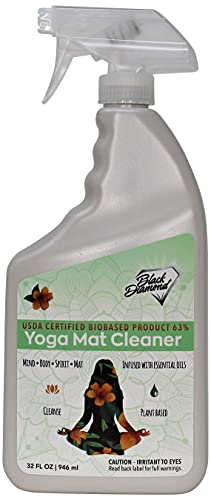
- Yoga mat cleaner spray 12 oz or a gentle, mat-safe spray
- Microfiber cleaning towel for yoga mat for drying and buffing
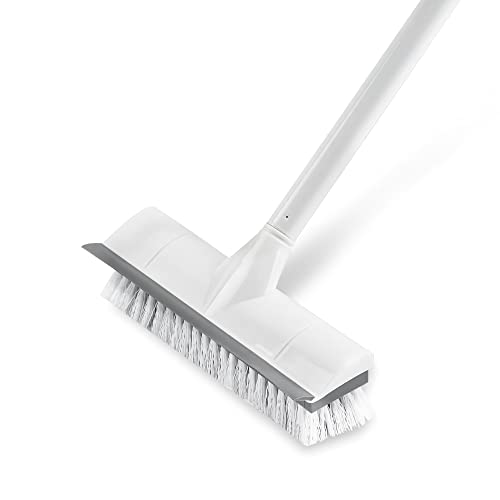
- Yoga mat scrub brush with handle for light scrubbing on tough spots

Before You Start
Clear a clean workspace and lay the mat on a flat surface. Avoid soaking the mat or using harsh solvents that can degrade the surface finish. Perform a patch test on a small inconspicuous area if you’re using a new cleaner. Typical cleaning sessions take about 5–10 minutes plus drying time. Safety first: keep cleaning products away from children and pets, and never store the mat in direct sunlight while damp, as UV exposure can wear the surface over time.
Step-By-Step: How To Clean A Liforme Mat
- Remove loose debris by gently brushing the mat with the scrub brush to dislodge hair and dust.
- Lightly spray the mat with the yoga mat cleaner spray 12 oz, focusing on sweaty or stained areas.
- Wipe the surface in a circular motion with the microfiber cleaning towel for yoga mat to lift oils and residue.
- For stubborn spots, reapply cleaner and use the scrub brush with a soft touch to avoid abrading the mat.
- Rinse the towel and wipe the mat again to remove any remaining cleaner residue.
- Let the mat air-dry completely in a well-ventilated area, avoiding direct heat sources.
- Roll the mat loosely once dry to prevent creases and store away from moisture.
- After storage, consider a light re-wipe before the next practice if the mat shows signs of stickiness.
- Periodically, perform a deeper clean by repeating the steps with a fresh towel and cleaner to maintain grip and surface integrity.
Troubleshooting
| Symptom | Likely Cause | Fix | Prevention |
|---|---|---|---|
| Mat remains slippery after cleaning | Residual oils or cleaner residue | Re-wipe with a clean microfiber towel and rinse the area with a damp towel | Use sparing cleaner and avoid over-wetting the mat |
| Discoloration or staining | Deep-set sweat or oils | Spot-clean with a mild cleaner and soft brush, then rinse | Wipe down after each use to prevent buildup |
| Rings or creases after drying | Mat dried while folded or in a tight roll | Lay flat or roll loosely and allow full air-dry | Store fully dry in a breathable bag |
| Persistent odor | Prolonged damp storage or heavy oils | Air out in a sunny spot for short periods and re-clean | Clean after intense sessions and store dry |
Common Mistakes
- Using harsh solvents or dish soap that can degrade grip and surface texture
- Over-wetting the mat, which slows drying and fosters mold growth
- Using abrasive brushes that scratch the mat’s surface and markings
- Storing the mat while damp or in a sealed bag
Tips For Best Results
- Clean after intense sessions; oils build up faster with frequent use
- Test any cleaner on a small area first to ensure no fading of markings
- Allow full air-drying in a shaded area to preserve color and texture
- Store the mat rolled with the alignment side facing outward to protect markings
Call A Professional
Seek professional help if the mat develops deep, persistent staining or signs of mold that do not respond to routine cleaning. If the mat has become severely discolored, or if you notice cracking or peeling of the surface, contact the maker’s support or a professional outdoor cleaning service with experience in gym mats.
FAQ
What is the best cleaner for a Liforme mat?
A mild, mat-safe cleaner designed for yoga or fitness mats works well; avoid harsh chemicals that could degrade the surface.
Can I put my mat in the washing machine?
Most yoga mats are not designed to be machine-washed; hand-cleaning with a spray and microfiber towel is recommended.
How often should I clean my mat?
Clean after every sweaty session and deep-clean every few weeks, depending on usage and odor.
Is it okay to dry the mat in direct sunlight?
Direct sun can fade markings and degrade material over time; air-dry in a shaded, ventilated area.
Buying Guide
When choosing cleaning supplies for a Liforme mat, consider factors like material compatibility, ease of use, and drying time. Look for a yoga mat cleaner spray 12 oz that is specifically labeled as safe for yoga mats and free of harsh solvents. A microfiber cleaning towel for yoga mat should be soft, highly absorbent, and lint-free to avoid residue. A yoga mat scrub brush with handle provides gentle agitation for stubborn spots without scratching surface details or alignment lines.
Size and storage are practical considerations. A compact 12-ounce cleaner is convenient for travel or studio use, while a larger bottle may be more economical for home practice. Noise and energy efficiency are less relevant here, but choose tools that require minimal effort and produce minimal waste. Consider a kit that keeps all pieces together for easy access after workouts.
Placement matters as well: clean in a well-ventilated area, away from heat sources, and allow full drying before rolling. For those with sensitive skin or allergies, review ingredient lists and opt for fragrance-free or hypoallergenic options. Finally, assess whether the kit’s components are durable enough to withstand frequent cleaning cycles without loosening or shedding fibers.
Leave a Reply