How to Clean an LG Dishwasher
Maintaining an LG dishwasher helps prevent odors, improve cleaning performance, and extend the life of the appliance. This guide walks through practical steps, safe tools, and common pitfalls to keep your dishwasher running like new.
With the right routine, you can remove soap scum, mineral buildup, and food particles from spray arms, filters, and interior surfaces. The approach below uses readily available tools and a focused cleaning kit to deliver thorough results without disassembly.
Quick Answer
Run a hot water cycle with a dishwasher-safe cleaner or a cup of white vinegar on the top rack. Clean the spray arms and filters with a dedicated tool, then wipe seals and interior surfaces. Repeat monthly for best results.
What You’ll Need
- Dishwasher cleaning brush set
- Dishwasher spray arm cleaning tool
- LG dishwasher cleaning kit

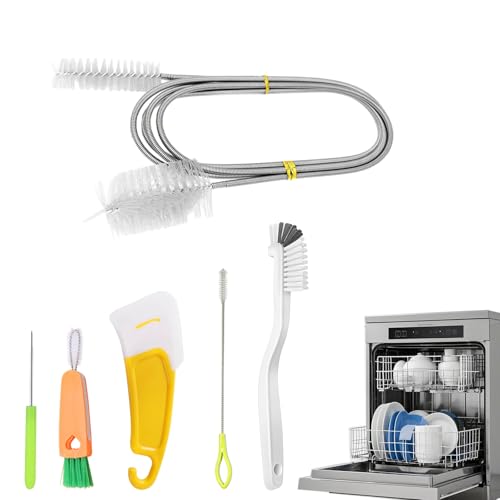

Before You Start
unplug the unit or turn off the circuit breaker if you plan any deeper maintenance. Remove racks to access all surfaces. Use gloves to protect hands from sharp edges and hot water. Allow extra time for thorough drying after cleaning. Do not use high-abrasive cleaners or metal scrubbers, which can damage stainless surfaces and seals.
Step-By-Step: How To Clean The LG Dishwasher
- Remove racks and pull out the filter to inspect for debris. Rinse under warm water to dislodge gunk.
- Take out the spray arms if your model allows it; wipe the nozzles with the dishwasher spray arm cleaning tool to clear clogs.
- Soak the filter and trap in warm, soapy water for a few minutes, then scrub with a soft brush until free of buildup.
- Wipe the interior ceiling, walls, and door seal with a damp cloth and a mild cleaner solution. Pay attention to corners where residue collects.
- Run a hot wash with LG dishwasher cleaning kit or a dishwasher-safe cleaner on the top rack to deodorize and lift mineral deposits.
- For mineral buildup, place a dishwasher-safe cup filled with white vinegar on the top rack and run a hot cycle, then follow with a second hot cycle if needed.
- Reinstall the filters and racks, then run a rinse cycle to ensure all cleaner residue is removed.
- Inspect the door gasket after the cycle; wipe any residue and ensure a good seal to prevent leaks.
- Schedule a monthly cleaning routine using the same steps to maintain optimal performance and odor control.
- Keep a maintenance log: note dates, products used, and any recurring issues to monitor trends over time.
- If you notice persistent odors or poor cleaning after cleaning, consider a deeper service check or professional help.
- Always follow the LG user manual for model-specific steps and compatibility with cleaners.
Troubleshooting
| Symptom | Likely Cause | Fix | Prevention |
|---|---|---|---|
| Dishes come out wet | Spray arms clogged or rinse aid settings | Clean spray arms; adjust rinse aid | Regular cleaning every 1–2 months |
| Unpleasant odor | Accumulated food or mold in filter/seal | Clean filter, seal, and gasket; run cleaning cycle | Use door to vent when not in use; run hot cycle monthly |
| Water not draining | Clog in filter, drain pump, or hose | Clear filter, check hose, and inspect drain pump area | Avoid putting large scraps down the drain |
| Food residue on dishes | Dirty spray arms or filter; insufficient water temperature | Clean spray arms and filter; verify hot water supply | Pre-rinse lightly; run hot cycle |
Common Mistakes
- Using abrasive pads on stainless interiors, which can scratch surfaces.
- Ignoring the spray arms until nozzles are visibly clogged, which reduces cleaning power.
- Overloading the dishwasher, blocking spray paths and preventing full immersion.
- Neglecting the door gasket and seals, which can harbor mold and odor.
Tips For Best Results
- Run a dedicated cleaning cycle once a month, especially in areas with hard water.
- Use a dishwasher-safe cleaner designed for LG models or a vinegar-based method as a backup.
- Inspect water temperature; ensure the hot water heater is set to an adequate level for optimal performance.
- Keep a consistent routine: rotate the order of items in the rack to prevent trapping debris in corners.
- Store the LG dishwasher cleaning kit and tools in a dedicated cabinet for quick access.
Call A Professional
Consider calling a technician if there are persistent leaks, unusual noises, or error codes after cleaning. Stop using the unit and seek service if you notice electrical smells, a tripped circuit, or standing water that won’t drain.
FAQ
How often should I clean my LG dishwasher?
Clean the interior and filters monthly, and run a maintenance cycle every 1–2 months to prevent buildup.
Can I use vinegar to clean my LG dishwasher?
Yes, a hot cycle with white vinegar is effective for deodorizing and mineral removal, followed by a clean-cycle rinse.
Do I need a special cleaning kit for LG dishwashers?
Using an LG dishwasher cleaning kit or compatible tools designed for spray arms and filters yields best results.
What should I do if my dishes are still dirty after cleaning?
Check spray arms, filters, and seals for clogs; verify water temperature and rinse-aid level; run an additional hot cycle if needed.
Is it necessary to unplug the dishwasher?
For basic cleaning, you can power down or run cycles normally; unplugging is advised only during deeper maintenance or repair work.
What if the spray arms won’t come off for cleaning?
Consult the LG manual for model-specific removal instructions; use the spray arm cleaning tool to clear clogged nozzles without forcing parts.
Buying Guide
When selecting tools and a maintenance kit, consider size, compatibility, and ease of use. Look for a dishwasher cleaning brush set that reaches tight crevices, a dishwasher spray arm cleaning tool with multiple nozzle sizes, and an LG dishwasher cleaning kit designed for your model. Reflect on the typical load size in your home and whether you prefer a simple cleaning action or a more thorough, tool-assisted approach.
Additionally, evaluate performance factors such as noise level, energy efficiency, and cycle options. Choose products that are dishwasher-safe and labeled for use with stainless interiors. Consider a kit that bundles brushes and arms cleaners for a complete maintenance routine. Finally, verify that replacement parts are readily available in case you need to refresh components over time.
Leave a Reply