How to Clean Leather Shoes: A Practical Guide
Leather shoes gain character with regular care that preserves color, texture, and shine. This guide walks American readers through a straightforward cleaning routine, using commonly available tools to keep leather looking fresh and lasting longer.
Whether you’re tidying up after a long work week or refreshing a neglected pair, the steps below emphasize gentle cleaning, conditioning, and protection. The goal is to remove dirt, restore suppleness, and prevent cracking without harsh detergents or aggressive tools.
Quick Answer
Gently remove surface dirt, use a leather-safe cleaner, apply conditioner, and polish. Always test products on a small area first and allow shoes to dry away from direct heat.
What You’ll Need
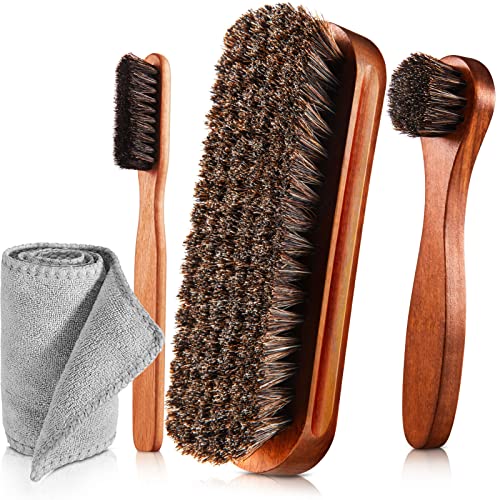
To tackle most leather cleaning tasks, assemble these tools and products. The list focuses on items aligned with the provided keywords to ensure compatibility with common leather shoes:
- Horsehair Leather Shoe Cleaning Brush Kit with Conditioner
- Leather Shoe Cleaning Kit Conditioner Microfiber Cloth
- Crepe Brush Leather Shoe Cleaner Kit


Before You Start
Prepare a clean workspace and protect surrounding surfaces. Allow time for air-drying, which helps prevent water spots and color changes. Never soak leather shoes or use harsh household cleaners. Test any product on an inconspicuous area first to confirm colorfastness and finish compatibility. A typical cleaning session may take 20–40 minutes, depending on shoe condition.
Step-By-Step: How To Clean Leather Shoes
- Remove laces or elastic inserts to access all areas of the shoe and prevent staining.
- Brush off loose dirt with a soft brush to avoid pushing soil into the leather pores.
- Apply a small amount of leather-safe cleaner or saddle soap to a damp cloth, then wipe in gentle, circular motions.
- Wipe away any residue with a clean, damp microfiber cloth and let the shoe dry away from direct heat.
- Massage a thin layer of conditioner into the leather using a soft cloth, covering the entire surface.
- Allow the conditioner to absorb for 10–15 minutes, then buff lightly with a clean, dry cloth to restore shine.
- Reattach laces and, if desired, apply a matching polish or cream for color restoration and extra protection.
- Store shoes in a cool, dry place with shoe trees or rolled newspaper to maintain shape.
- Repeat cleaning every few weeks for dress shoes or after heavy use; more frequent care is advised in dry or dusty environments.
- For sneakers or suede finishes, adjust the routine to suit the material and finish, avoiding standard leather cleaners on non-leather uppers.
- Inspect stitching and soles during cleaning and address any damage promptly to extend life.
Troubleshooting
| Symptom | Likely Cause | Fix | Prevention |
|---|---|---|---|
| Stiff or dry leather after cleaning | Insufficient conditioning | Reapply a thin coat of conditioner and allow longer absorption | Condition regularly; avoid over-cleaning with harsh cleaners |
| Color rubbing off after cleaning | Cleaner or conditioner not compatible with finish | Test in a hidden area; switch to a leather-safe, color-mate product | Use products designed for the shoe’s finish |
| Water spots or streaks | Uneven application or damp cloth | Buff evenly with a dry cloth; wipe with a slightly damp cloth if needed | Work in consistent light and temperature |
| Smell lingering after cleaning | Residual cleaner or moisture | Air-dry longer and re-condition if needed | Ensure thorough drying before storage |
Common Mistakes
- Using household detergents or soaps not formulated for leather
- Over-wetting the leather, which can cause staining or stiffness
- Skipping a conditioner after cleaning, leading to drying and cracks
Proper technique matters as much as product choice. Gentle motion and minimal product yield better long-term results than aggressive scrubbing.
Tips For Best Results
- Test products on a small, hidden area before full use to confirm compatibility.
- Apply conditioner while the shoes are slightly damp for better absorption, then wipe away excess.
- Use a microfiber cloth for buffing to reduce lint and finish slight sheen without over-polishing.
- Rotate pair usage to prevent excessive wear on a single pair and extend leather life.
- Store with shoe trees to maintain shape and absorb moisture.
Call A Professional
Consider professional help when you notice deep cracks, color loss, severe water damage, or leather that has become stiff despite conditioning. Seek a cobbler or leather care specialist for repairs or color restoration, especially on high-value or heirloom footwear.
FAQ
Is it safe to use conditioner on all leather shoes?
Most smooth leather shoes respond well to conditioner, but always check the manufacturer’s guidance and perform a spot test first.
How often should leather shoes be cleaned?
Clean lightly every few weeks with conditioning every few months; adjust frequency based on wear, climate, and exposure to moisture or dust.
Can I use water to clean leather shoes?
Small amounts of water can aid cleaning, but avoid soaking. Use damp cloths and allow thorough air-drying.
What finishing steps help protect leather shoes?
After cleaning and conditioning, apply a protective cream or polish suitable for the shoe’s finish to seal in moisture and color.
Should I waterproof leather shoes?
Waterproofing can help in wet conditions, but choose products compatible with the specific leather type and color.
What about suede or nubuck shoes?
Suede and nubuck require specialized brushes and cleaners designed for these textures, not standard leather products.
Buying Guide
When choosing products to maintain leather shoes, consider size, compatibility, and finish. Look for kits that include a gentle cleaner, conditioner, and a soft brush or cloth for balanced care. Noise level and energy use are typically not relevant for hand-applied care, but consider ergonomic tools that reduce hand fatigue. Compare sizes to fit your shoe collection and storage space. For placement, store in a cool, dry area away from heat sources.
Key buying factors to evaluate: size and contents of the kit, type of brush and cloth included, the compatibility of conditioner with your leather finish, and the availability of a color-matching option if your shoes require touch-ups. If you own multiple finishes, consider a toolkit that offers both neutral and color-tinted conditioners. Always review manufacturer care guides to ensure the kit matches your shoe’s care needs.
Leave a Reply