How to Clean a Leather Pocketbook
Leather pocketbooks offer classic style and durable use, but keeping them clean requires a careful approach. This guide walks American readers through a practical, step-by-step process to refresh and protect a leather pocketbook without damaging its finish.
By following the methods and using the right tools, owners can remove dirt, restore suppleness, and extend the life of a beloved accessory. The instructions below emphasize safe handling, surface testing, and routine maintenance that works for most leather types commonly used in handbags.
Quick Answer
Gently wipe the surface with a soft microfiber cloth, apply a leather cleaner designed for purses or handbags, condition after cleaning, and buff with a clean cloth. For stubborn marks, use a soft bristle brush with light pressure, then recondition. Always test a hidden area first and avoid saturating the leather.
What You’ll Need
- Leather cleaning kit for handbags with microfiber cloths
- 8 oz leather conditioner and cleaner for purses
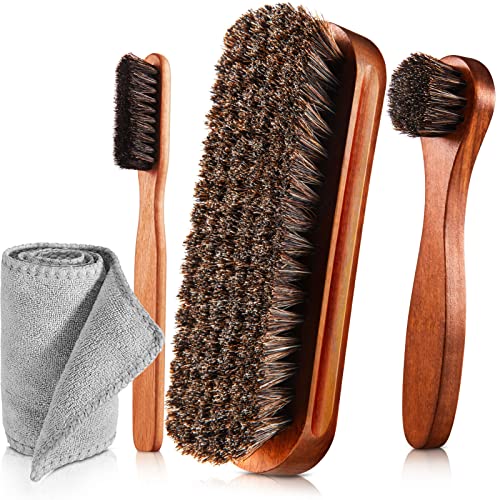
- Soft bristle leather cleaning brush for handbags
- Clean, dry towels or extra microfiber cloths
- Optional leather protectant spray (suitable for handbags)


Before You Start
Prepare a clean workspace away from direct heat or sunlight. Perform a patch test on an inconspicuous area, such as the interior seam or bottom corner, to ensure colorfastness and finish compatibility. Avoid using household cleaners, alcohol, or abrasive tools, which can dry or scar leather. Estimate 15–30 minutes for a light clean, and up to 60 minutes for a thorough refresh including conditioning.
Step-By-Step: How To Clean Leather Pocketbook
- Remove contents and shake out any debris from the pocketbook to prevent rubbing dirt into the leather.
- Wipe the surface with a dry microfiber cloth to remove loose dust.
- Test the cleaner on a hidden area. If the color changes or the finish dulls, stop and consult a professional.
- Apply a small amount of the leather cleaner from the leather cleaning kit for handbags with microfiber cloths to a clean cloth, then work in a gentle circular motion over discolored or soiled areas.
- Use the soft bristle leather cleaning brush for handbags for any embedded dirt along seams or textured areas, applying Light pressure only.
- Wipe away any residue with a clean, slightly damp cloth, then blot dry with a towel.
- Allow the leather to air dry completely away from heat sources.
- Once dry, apply 8 oz leather conditioner and cleaner for purses in a thin, even layer to restore suppleness and provide a protective barrier.
- Buff gently with a clean microfiber cloth to restore shine and remove any excess conditioner.
- Optionally, apply a leather protectant spray following the manufacturer’s instructions to help repel future stains.
- Reassemble and store the pocketbook in a cool, dry place when not in use.
- Regular maintenance: repeat every few months or when the bag shows surface soiling, and always test before full application.
Troubleshooting
| Symptom | Likely Cause | Fix | Prevention |
|---|---|---|---|
| Leather feels stiff after cleaning | Over-drying or excessive conditioner | Use a lighter hand with conditioner; allow ample drying time | Test in a hidden area; apply conditioner sparingly |
| Discoloration or color transfer | Cleaner not compatible with dye or leather finish | Avoid further cleaning; consult a professional if persists | Always patch test first |
| Streaks or uneven appearance | Uneven application or moisture on cloth | Reapply in small sections with a dry cloth until uniform | Work in controlled, small areas |
| Drying spots or cracking | Overexposure to heat or harsh cleaners | Slow, air-based drying; condition after drying | Avoid heat sources; use mild products |
Common Mistakes
- Not testing cleaners first, risking color loss or finish damage
- Using too much cleaner or conditioner, leading to a sticky or shiny residue
- Rubbing aggressively with brushes, which can scratch or wear the surface
- Forgetting to condition after cleaning, causing leather to dry out over time
Tips For Best Results
- Work on a clean, soft surface and use two microfiber cloths: one for cleaning and one for buffing.
- Apply cleaners and conditioners in thin layers; you can always add more later if needed.
- Store the pocketbook with a protective dust bag to minimize exposure to dust and sunlight.
- Keep conditioners in a cool, dry place and use within the product’s recommended shelf life.
- If the bag has hardware or metal accents, wipe them separately with a dry cloth to prevent tarnish transfer to leather.
Call A Professional
Consider professional help if the pocketbook has a delicate finish, deep stains, water damage, or cracks that appear near seams. Stop cleaning if color loss occurs or if the texture becomes unusual. Seek a leather care specialist when unsure about compatibility with specific finishes or dyes.
FAQ
What should I use to clean a leather pocketbook?
Use a leather cleaning kit for handbags with microfiber cloths and a dedicated leather conditioner for purses, following patch tests and product instructions.
Can I use regular soap on leather?
No. Regular soap or household cleaners can dry or damage leather; use products designed for leather care.
How often should I clean and condition leather bags?
Clean as needed when soiling is visible, and condition every 2–6 months depending on usage and climate.
Is it safe to apply conditioner after cleaning?
Yes, apply a thin layer after cleaning to restore moisture and protect the finish.
What if my bag has color transfer?
Stop cleaning and consult a professional if color transfer persists after patch testing.
Can I use a hair dryer to dry leather?
No. Avoid direct heat; air-dry away from heat sources to prevent drying and cracking.
Will protectant sprays affect the leather color?
Some sprays may alter the look; test first on a hidden area and follow product directions closely.
Buying Guide
Choosing the right products and setup for leather pocketbooks involves several factors. The size of the bag influences how much cleaner or conditioner you need, while the finish and type of leather (aniline, semi-aniline, corrected grain, or patent) determine suitable products. Noise level is not a concern here, but ease of use matters, especially for busy routines. Energy efficiency is unlikely to be relevant unless you incorporate powered cleaning tools. When considering placement, store away from direct sunlight to prevent fading and cracking.
Key buying factors include size and compatibility of the cleaning kit with leather types, the scent and residue left by cleaners, the compatibility of conditioners with your bag’s dye, and the presence of microfiber cloths for safe application. Compare kits that include both cleaner and conditioner, and assess whether the included brush or cloths suit your bag’s finish. For frequent users, a bundle with multiple cloths and an optional protectant spray can offer ongoing convenience. Always review the manufacturer’s care instructions for your specific pocketbook to ensure the best match.
Leave a Reply