Natural Leather Cleaning Guide for Furniture
Maintaining leather furniture without harsh chemicals is a practical choice for homes in the United States. This guide outlines safe, effective methods to clean and condition leather using natural products, helping preserve color, texture, and durability while reducing chemical exposure.
Readers will learn a step-by-step routine, identify suitable natural products, and understand when to seek professional help. The focus stays on common household surfaces and standard sofa or chair materials, so the tips apply to most living spaces and upholstery styles.
Quick Answer
For routine cleaning, spray a natural leather cleaner on a microfiber cloth, wipe the surface, then follow with a plant-based leather conditioner to restore moisture. Use microfiber cleaning cloths for gentle scrubbing and keep the area dry after cleaning. Regular maintenance helps prevent cracking and maintains shine.
What You’ll Need
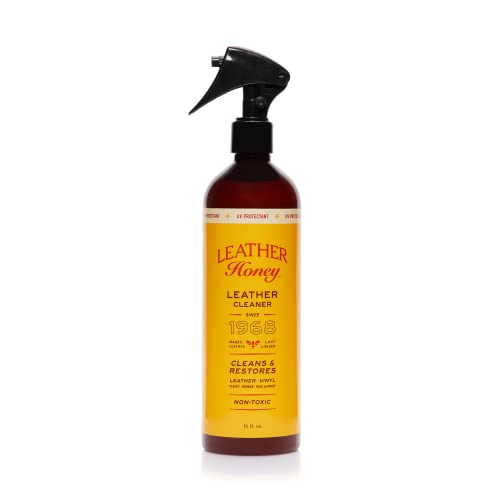
- Natural leather cleaner spray for furniture
- Plant-based leather conditioner for sofas
- Microfiber cleaning cloths for leather furniture kit


Before You Start
Inspect the leather for scratches, dye transfer, or staining before cleaning. Test any product in an inconspicuous area, such as the inside arm or a hidden seat corner, to ensure colorfastness. Clear the area and protect nearby fabrics from overspray. Time estimates vary, but plan 30 to 60 minutes per cleaning session, including drying time. Avoid harsh solvents, ammonia, or high-pressure sprays as they can dry the leather or strip protective coatings.
Step-By-Step: How To Clean Leather Furniture Naturally
- Remove loose dirt by gently brushing the surface with a dry microfiber cloth.
- Lightly mist natural leather cleaner spray for furniture onto a clean microfiber cloth, not directly onto the leather.
- Wipe with the grain in smooth, even passes to lift surface grime without soaking the leather.
- Allow the area to dry for 5–10 minutes, then inspect for remaining spots or oils.
- Apply a small amount of plant-based leather conditioner for sofas to another clean cloth and rub it evenly into the leather using circular motions.
- Buff with a dry microfiber cloth to restore luster and remove excess conditioner.
- Address stubborn stains by using a slightly dampened cloth with cleaner and a gentle touch; avoid saturating the leather.
- Repeat monthly or as needed to maintain suppleness and color; store products out of direct sunlight to prevent fading.
Troubleshooting
| Symptom | Likely Cause | Fix | Prevention |
|---|---|---|---|
| Sticky residue after cleaning | Over-application of product | Wipe excess with a clean, dry cloth; allow to dry | Use sparing amounts and test first |
| Darkening of leather | Over-wetting or low-quality cleaner | Dry thoroughly and apply conditioner lightly | Choose pH-balanced, natural products |
| Dry, cracked look | Leather was dry or cleanser was too harsh | Apply conditioner evenly and let absorb | Condition regularly based on manufacturer guidance |
| Stained or discolored spot | Spill or improper cleaning | Spot-clean promptly with appropriate product | Clean spills immediately and test first |
Common Mistakes
- Using household detergents not designed for leather
- Over-wetting the surface or leaving excess conditioner
- Rubbing vigorously, which can abrade the finish
- Skipping a test patch, risking color changes
Tips For Best Results
- Always apply products to a cloth, not directly onto leather to control saturation.
- Keep leather away from direct sunlight and heat sources to prevent drying and fading.
- Schedule periodic conditioning—every 3–6 months depending on use and climate.
- Use microfiber cloths designed for delicate surfaces to minimize scratches.
Call A Professional
Consider reaching out to a professional if you notice significant cracking, deep staining, or color loss that products cannot restore. Stop cleaning if you observe dye transfer or worsening texture, and avoid attempting risky procedures without expert guidance. Seek professional help if the furniture is antique, has a specialized finish, or you are unsure about compatibility with your leather type.
FAQ
Can I use any natural cleaner on leather?
Choose a cleaner specifically labeled for leather to avoid damage and ensure color-safe results.
How often should I clean leather furniture?
Light cleaning every 2–4 weeks and conditioning every 3–6 months is a common routine, depending on use and climate.
Is conditioning essential for leather?
Yes, conditioning helps restore moisture and flexibility, preventing cracks and wear.
What should I do about spills?
Blot spills immediately with a clean cloth, then follow up with targeted cleaning and conditioning as needed.
Buying Guide
Choosing the right products and approach for natural leather care involves several factors. Size matters—buy sprays and conditioners in practicable sizes that fit your cleaning cadence. Noise level is not a concern with spray bottles, but consider ease of use and spray pattern. Look for energy- and resource-conscious packaging and simple, intuitive controls. Consider placement: a quiet, low-traffic area is ideal for cleaning sessions. Compare products by their compatibility with leather types (aniline, semi-aniline, pigmented) and confirm they are dermatologist-tested or formulated with plant-based ingredients. Finally, evaluate how the products balance cleaning strength with conditioning, ensuring a gentle, protective finish without altering color. If in doubt, start with a basic kit and expand with targeted products as needed.
Leave a Reply