How to Clean Laminate Floors
Laminate flooring offers a durable, budget-friendly surface that mimics real wood with minimal maintenance. Proper cleaning preserves shine, prevents warping, and avoids damage from moisture or abrasive tools. This guide provides practical steps using common household tools and specific products designed for laminate floors.
Quick Answer
Best overall approach: Sweep or vacuum to remove grit, then use a damp microfiber mop or a laminate floor cleaning kit with microfiber pads. Avoid soaking the floor and never use a steam mop or highly abrasive cleaners.
What You’ll Need
- Microfiber mop for laminate floors with washable pads
- Laminate floor cleaning kit with spray bottle and microfiber pads
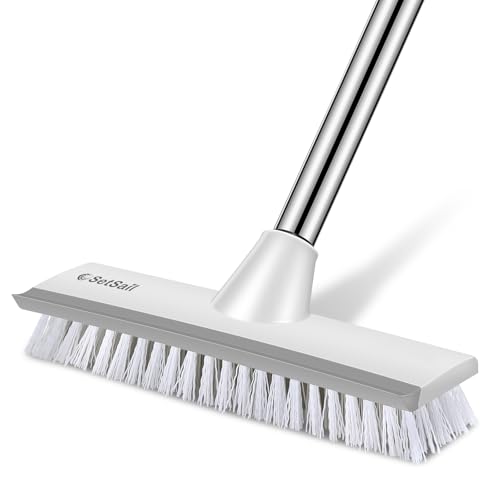
- Soft bristle scrub brush for laminate floors cleaning
- Optional microfiber cloths for spot cleaning
- Water and a mild cleaning solution (approved for laminate surfaces)


Before You Start
Clear the area of furniture or move it to a central spot to access all floor sections. Use gentle motion when cleaning to prevent scraping. Do not flood the floor with water; moisture can seep into seams and cause swelling over time. Allow the room to dry completely before reassembling furniture.
Safety note: Use non-ammonia or non-wax cleaners unless the manufacturer approves them for laminate. Always test a small, inconspicuous area first to confirm the cleaner does not dull the finish.
Step-By-Step: How To Clean Laminate Floors
- Start with a thorough dry cleaning: sweep or vacuum to remove dirt, dust, and grit that can scratch the surface when mopped.
- Prepare a mild cleaning solution: use plain water or a cleaner specifically formulated for laminate floors. Mix lightly according to the product’s directions.
- Attach a clean, damp microfiber pad to the mop designed for laminate cleaning. Avoid soaking pads; they should be just damp to prevent over-wetting.
- Begin in one corner of the room and work in straight, overlapping passes. Wipe up spills promptly to prevent moisture from seeping into joints.
- For stubborn spots, use a soft bristle scrub brush with a small amount of cleaner. Gently scrub in a circular motion, then wipe with a damp pad.
- Rinse the mop pad frequently to prevent re-depositing dirt. Change pads when they appear dirty or saturated.
- Pay attention to high-traffic areas and door thresholds where dirt accumulates. Use the kit’s spray bottle to apply a fine mist to targeted spots, then wipe with microfiber pads.
- Dry the floor with a clean, dry microfiber cloth or allow it to air dry. Ensure no standing water remains on the surface.
- Inspect for missed spots and re-clean as needed. Avoid harsh scrubbing tools that could dull the finish.
- Return furniture after the floor is completely dry. Place felt pads under furniture legs to prevent scratches.
- Establish a routine: routine light cleaning weekly plus deeper clean every 1–2 weeks depending on traffic.
Troubleshooting
| Symptom | Likely Cause | Fix | Prevention |
|---|---|---|---|
| Water spots or streaks | Excess moisture or soap residue | Wipe with a damp, clean microfiber pad until residue is removed | Use only damp pads and the recommended cleaner |
| Grit scratches after cleaning | Dirty mop pads or not sweeping first | Replace pads and thoroughly sweep before mopping | Keep pads clean and store them dry |
| Warping edges | Excessive moisture near seams | Dry quickly and avoid saturating the floor | Wipe spills promptly and use minimal water |
| Faded or dull finish | Harsh cleaners or wax-based products | Switch to a laminate-specific cleaner and skip wax products | Read manufacturer guidelines before cleaners |
Common Mistakes
- Using a steam mop on laminate floors, which can warp and damage the finish
- Aggressively scrubbing with stiff brushes that scratch the surface
- Letting water pool in seams or grout lines
- Using household cleaners not approved for laminate surfaces
Tips For Best Results
- Adopt a regular cleaning schedule to prevent stubborn buildup.
- Prefer a dedicated microfiber mop with washable pads for consistent performance.
- Label cleaning tools to prevent cross-contamination with other flooring types.
- Spot-clean spills immediately to minimize moisture exposure.
- Rotate cleaning pads to evenly distribute wear on the pads and maintain cleaning efficiency.
Call A Professional
Seek professional help if you notice persistent warping, cupping, or significant staining that cannot be addressed with standard cleaning. Signs to consider a pro include extensive moisture damage, large water-related stains, or delamination. If the floor shows severe discoloration after cleaning attempts, contact a flooring technician.
FAQ
What is the best cleaner for laminate floors?
Choose a cleaner labeled for laminate floors and avoid waxes, oils, or ammonia-based products that can dull the finish.
Can I use a spray mop on laminate floors?
Yes, a laminate-specific spray mop can be effective when used with a light, even mist and a microfiber pad.
How often should I clean laminate floors?
Light cleaning weekly with deeper cleaning every 1–2 weeks, depending on traffic and pets.
Is it safe to use water to clean laminate floors?
Yes, but keep moisture minimal. Wipe up excess water promptly to avoid damage to seams.
Will I damage laminate if I use a scrub brush?
Only if the brush is too stiff or used with heavy pressure; opt for a soft bristle scrub brush for tough spots.
Should I seal laminate floors?
No sealing is required or recommended for standard laminate flooring.
Buying Guide
When selecting cleaning tools and products for laminate floors, consider size, noise, and ease of use. Look for a microfiber mop with washable pads and a compatible cleaning kit that includes a spray bottle for targeted cleaning. Noise considerations matter for cleaning at night or in shared spaces, so choose a silent or low-noise mop head if possible. Energy efficiency is less a concern here, but choosing reusable pads reduces waste. Controls should be simple: a spray trigger and a sturdy handle. Placement considerations include easy access to closets for storing pads and solutions, and choosing a kit that can be used on multiple floor areas such as kitchens and hallways. Compare models based on pad washability, the ease of pad replacement, and whether the kit includes a soft bristle brush for stubborn spots. For homes with pets or children, opt for fragrance-free and allergen-friendly formulas. Finally, assess durability: look for reinforced mop heads and high-quality microfiber that resists fraying after repeated washings. Are you cleaning a small apartment or a large home? A compact kit might fit better in tight spaces, while a modular system with refillable pads can cover expansive areas efficiently.
Leave a Reply