How to Clean KraftMaid Cabinets: A Practical Guide
KraftMaid cabinets add timeless appeal to kitchens and baths, but keeping them looking pristine requires careful cleaning. This guide provides clear steps, safe products, and practical tips tailored to KraftMaid finishes, so cabinets stay free of grime without dulling or damage.
Quick Answer
Use a soft, damp microfiber cloth to wipe surfaces, then follow with a gentle wood cabinet cleaner spray on finished surfaces. Dry with a clean microfiber cloth. For stubborn spots, use a soft bristle brush on hinges and door frames, then wipe away residue. Avoid harsh chemicals and excessive moisture.
What You’ll Need
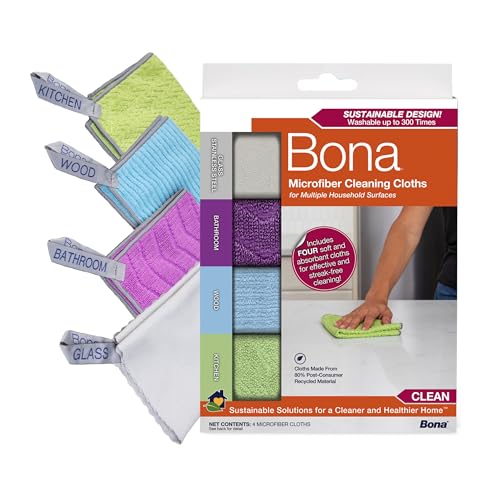
- Microfiber cleaning cloths for wood kitchen cabinets
- Wood cabinet cleaner spray for finished kitchen cabinets
- Soft bristle brush for cleaning cabinet doors and hinges


Before You Start
Before cleaning, remove items from counters and inside cabinet doors to prevent spills. Test any cleaner on a small, inconspicuous area first to ensure it does not affect the finish. Avoid soaking wood surfaces; excessive moisture can seep into seams and cause warping. Work in a well-ventilated area and use gentle strokes to minimize abrasion.
Step-By-Step: How To Clean KraftMaid Cabinets
- Dust the exterior with a dry microfiber cloth to remove loose debris.
- Moisten a microfiber cloth with water, then wipe the cabinet faces with long, even strokes to lift grease and fingerprints.
- Apply a small amount of wood cabinet cleaner spray to a separate microfiber cloth and buff any remaining grime on finished surfaces.
- Gently scrub tight edges, mouldings, and corners with a soft bristle brush for cleaning cabinet doors and hinges to dislodge grime without scratching.
- Wipe down hinges and hardware with a damp cloth, then dry thoroughly to prevent rust or residue buildup.
- Rinse the cloth as needed and repeat with clean sections to avoid spreading dirt.
- Spot-clean stubborn stains using a tiny amount of cleaner on a cloth, not directly on the surface.
- Finish with a final pass of a dry microfiber cloth to remove any remaining moisture.
- Inspect for missed spots and repeat only where necessary to maintain a uniform appearance.
- Store cleaning tools in a dry area to prevent mold or residue transfer to cabinetry.
- Regular maintenance: light cleaning every 1–2 weeks, deeper cleans every 1–3 months depending on traffic.
Troubleshooting
| Symptom | Likely Cause | Fix | Prevention |
|---|---|---|---|
| Cloudy or streaky finish | Leftover cleaner or water residue | Buff with dry microfiber cloth until clear | Use minimal cleaner and dry immediately |
| Scratches or dull spots | Aggressive scrubbing or abrasive cleaners | Switch to soft cloths and gentler cleaner | Avoid abrasive pads and ammonia-containing products |
| Water rings on veneer | Moisture exposure | Wipe dry and reduce moisture in future | Only lightly dampen cloths |
| Smudges around hinges | Residue buildup | Carefully clean hinges with brush, then wipe | Clean regularly to prevent buildup |
Common Mistakes
- Using harsh chemicals or ammonia-based cleaners on finished veneer
- Soaking wood cabinets with water during cleaning
- Using stiff brushes or abrasive pads on delicate surfaces
- Neglecting hinges and hardware, which can accumulate grime
Sticking to the gentle cleaning routine helps preserve the KraftMaid finish and keeps doors shining without risk of warping or fading.
Tips For Best Results
- Schedule routine wipe-downs to prevent buildup and reduce deep cleaning needs.
- Keep a small microfiber cloth handy in the kitchen for quick touch-ups after cooking spills.
- Always test a cleaner on a hidden area before applying broadly.
- Use a cleaning sequence from top to bottom to avoid dragging dirt onto already cleaned surfaces.
- Label and separate cloths for dirty vs. clean surfaces to prevent cross-contamination.
Call A Professional
Consider a professional refinishing or cabinet-care service if you notice severe finish wear, peeling, or water damage that cleaning cannot fix. Stop cleaning and consult a pro if you see bubbling veneer, deep scratches exposing substrate, or loose cabinet doors, which may indicate structural issues beyond routine maintenance.
FAQ
Can I use vinegar on KraftMaid cabinets?
Vinegar can be used in small amounts diluted in water, but avoid concentrated mixtures that may affect finishes. Test first and dilute properly.
How often should I deep clean finished KraftMaid cabinets?
Deep cleaning every few months is typically enough, depending on kitchen use and exposure to grease and steam.
What should I do about grease buildup on cabinet doors?
Wipe with a damp microfiber cloth, then use a wood cabinet cleaner spray on finished surfaces, following with a dry buff for shine.
Is moisture-safe cleaning safe for all KraftMaid finishes?
Most KraftMaid finishes tolerate light moisture, but excessive water should be avoided to prevent warping over time.
Are hardware cleaners necessary for hinges?
No special cleaner is required; a damp cloth followed by a dry microfiber cloth usually suffices unless hinges are corroded or sticky.
What if my cabinet finish appears dull after cleaning?
Reassess your cleaner choice, avoid over-wetting, and consider a dedicated wood cabinet cleaner spray designed for finished surfaces.
Buying Guide
When selecting cleaning tools for KraftMaid cabinets, consider size and form factor, noise levels, energy efficiency of powered cleaners (if used), control over spray or dampness, and placement of tools for easy reach. This guide compares options to help consumers choose products that work well with wood finishes and avoid damage.
Buying Guide: Key Factors For Cleaners And Tools
- Size and ergonomics: Choose compact, lightweight cloths and brushes that are easy to maneuver around doors and drawers.
- Finish compatibility: Use products labeled for finished wood cabinets to preserve color and sheen.
- Moisture control: Opt for microfiber cloths that are highly absorbent and release little moisture.
- Gentle abrasives: Avoid stiff brushes and harsh pads; soft bristles protect edges and corners.
- Hardware care: Include a soft brush for hinges to prevent build-up without scratching metal surfaces.
- Ease of storage: Keep cleaners, cloths, and brushes in a dedicated cabinet or basket for quick access.
- Brand compatibility: Look for cleaners specifically designed for finished wood cabinets to minimize risk to the veneer.
- Environmental considerations: Choose low-VOC formulas when possible to maintain indoor air quality.
With the right approach, KraftMaid cabinets maintain their beauty and function. By using the suggested tools and following best practices, homeowners can keep kitchen and bath cabinetry looking like new while reducing wear over time.
Leave a Reply