How to Clean a Kitchen Sink With Vinegar
Vinegar is a versatile, low-cost cleaner that can tackle grime, mineral deposits, and odors in a kitchen sink. When used correctly, it’s a safe alternative or complement to harsher chemical cleaners. This guide walks readers through a practical, step-by-step routine to keep a stainless steel sink looking bright and sanitary.
The steps below focus on common household setups, especially stainless steel surfaces. Readers will find actionable tips, a quick overview, and practical troubleshooting to address stubborn spots and buildup without damaging the finish.
Quick Answer
To clean a kitchen sink with vinegar, spray undiluted white vinegar on the surface, let it sit for a few minutes, scrub with a non-scratch brush, rinse with warm water, and wipe dry with a microfiber cloth. For tough stains, make a paste with baking soda, apply, scrub gently, rinse, and dry. Always avoid steel wool on stainless steel to prevent scratches.
What You’ll Need
- Stainless steel sink scrub brush non-scratch nylon bristles
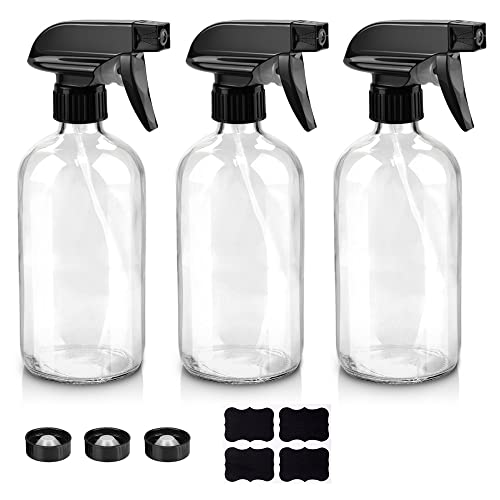
- Reusable spray bottle 16 oz for vinegar cleaning kitchen sink
- Microfiber cleaning cloth set for stainless steel sink


Before You Start
Before beginning, remove dishes and keep the area dry. Place a towel under the sink to catch drips and protect countertops. Ventilation is optional but helpful if you are sensitive to fumes from stronger cleaners, though vinegar is generally safe. Time estimate for a routine cleaning is about 5–10 minutes; deeper cleaning may take 15–25 minutes depending on buildup.
Safety notes: avoid mixing vinegar with bleach or hydrogen peroxide in the same container, as chemical reactions can occur. For sensitive finishes, test vinegar on an inconspicuous area first. Always rinse thoroughly after use to prevent streaks and ensure a spotless shine.
Step-By-Step: How To Clean With Vinegar
- Clear the sink and rinse it with warm water to loosen loose debris.
- Spray white vinegar generously across the entire basin, including the faucet and drain area.
- Let the vinegar sit for 2–5 minutes to break down mineral deposits and soften grime.
- Dip the non-scratch nylon bristle brush into warm water and scrub in circular motions, paying attention to corners and the drain rim.
- For stubborn stains, sprinkle a light layer of baking soda, then scrub with the brush to form a gentle paste.
- Rinse thoroughly with warm water, ensuring all vinegar and baking soda residues are removed.
- Wipe the surface dry with a microfiber cloth to prevent water spots and restore shine.
- Finish by wiping the faucet and handles; repeat as needed for a streak-free finish.
Troubleshooting
| Symptom | Likely Cause | Fix | Prevention |
|---|---|---|---|
| Dull finish or streaks | Water spotting or soap film | Dry with microfiber cloth; buff gently | Rinse thoroughly; wipe after use |
| Stubborn mineral deposits | Hard water buildup | Apply vinegar, wait, scrub with brush; repeat | Consider a weekly quick vinegar spray |
| Scratches on surface | Using abrasive tools | Switch to non-scratch nylon bristles; avoid steel wool | Use soft brushes and proper technique |
| Persistent odors | Food particles trapped in drain | Pour a small amount of baking soda and vinegar down drain, flush with hot water | Regular drain cleaning routine |
Common Mistakes
- Using abrasive pads or steel wool on stainless steel, which can scratch and dull the finish.
- Overrelying on vinegar for heavily stained surfaces; some buildup may require baking soda or alternate cleaners.
- Not rinsing or drying completely, leading to water spots and mineral residue.
Instead, combine vinegar with a soft brush and a microfiber cloth for best results, and always rinse thoroughly before finishing with a dry towel.
Tips For Best Results
- Spray vinegar after each use to deter buildup and keep the sink looking bright.
- Use a microfiber cloth to remove fingerprints and keep a polished finish on stainless steel.
- For heavily mineralized areas, let vinegar sit a bit longer or reapply in stages rather than scrubbing hard.
- Pair with a baking soda paste for stubborn spots, then rinse completely to avoid a white film.
- Store cleaners in a dedicated spray bottle near the sink for quick access.
Call A Professional
Consult a professional if the sink has deep pitting, severe corrosion, or persistent discoloration that does not respond to standard cleanings. Seek help if the faucet or drainage system shows leaks or significant wear that could require hardware replacement or specialized plumbing service.
FAQ
Can I use vinegar on stainless steel without damaging it?
Yes, when used properly with non-abrasive tools and thorough rinsing, vinegar is safe for stainless steel and helps remove mineral deposits and odors.
Is baking soda necessary with vinegar?
Not always, but a light baking soda paste can boost cleaning for stubborn spots without harming the finish.
How often should I clean the sink with vinegar?
A quick weekly wipe-down with vinegar helps prevent buildup; a deeper clean every 1–2 weeks maintains shine.
What if I have a colored or coated sink?
Test vinegar on a hidden area first and follow manufacturer guidelines, as some coated finishes may have specific care instructions.
Buying Guide
When selecting products to support a vinegar-based sink cleaning routine, consider size, durability, and compatibility with stainless steel. A well-rounded kit helps maintain a clean, reflective basin with minimal effort.
Key buying factors include:
- Size and ergonomics: A compact, comfortable brush and spray bottle that fit under the sink or on the counter are ideal for quick use.
- Noise and material quality: Choose tools with soft nylon bristles to minimize noise and prevent scratching.
- Energy efficiency and ease of use: Reusable spray bottles with simple operation save time and reduce waste.
- Controls and spray options: A spray bottle with adjustable nozzle helps apply vinegar precisely where needed.
- Placement and storage: Keep tools within reach near the sink; a small caddy or hanging solution can help stay organized.
Considering the above, a kit that combines a stainless steel sink brush, a reusable spray bottle, and a microfiber cloth set offers a balanced, practical approach for frequent kitchen cleaning with vinegar. Always match tools to the sink finish and follow the care instructions provided by manufacturers for best results.
Leave a Reply