How to Clean a Kitchen Sink Drain Naturally
Natural cleaning methods can clear clogs and freshen a kitchen sink without harsh chemicals. This practical guide focuses on safe, effective techniques using common household ingredients and a few targeted tools. Readers will learn a step-by-step routine to maintain a free-flowing drain while minimizing chemical exposure in the kitchen.
By combining routine preventive steps with a few powerful remedies, homeowners can tackle build-up from grease, food particles, and soap scum. The approach prioritizes safety, ease, and accessibility, making it suitable for most homes and schedules.
Quick Answer
Fast method: Start with hot water flush, then a baking soda and vinegar treatment, followed by a mechanical aid if needed. Finish with a final hot water flush and optional enzymatic cleaner for ongoing maintenance.
Best long-term option: Use a combination of routine flushes and an enzymatic drain cleaner for kitchen sink to break down organic matter over time.
What You’ll Need
- Hot water
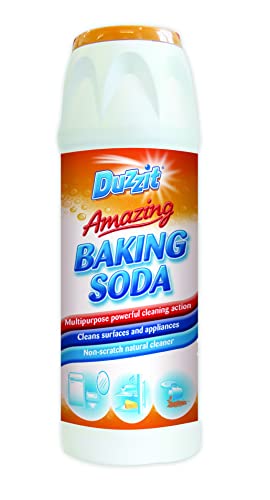
- Baking soda
- White vinegar
- Manual drain snake kitchen sink auger
- Enzymatic drain cleaner for kitchen sink
- Cloth or bucket for spills
- Gloves for hand protection
- Old toothbrush or small brush for the stopper and P-trap areas


Before You Start
Safety comes first. Wear gloves and ensure the area around the sink is clear. Remove the drain stopper to access the trap and pipes. If the sink drains slowly or smells foul, plan for a longer treatment window. Time estimates range from 20 minutes for a light clean to 60 minutes for a stubborn clog, plus overnight enzymatic maintenance if desired. Do not mix vinegar with bleach or other cleaners.
Check the P-trap beneath the sink for visible blockages before starting. A clogged trap may require partial disassembly. Keep a bucket handy to catch water and debris. If you smell gas or suspect a sewer backup, stop and call a professional immediately.
Step-By-Step: How To Clean Kitchen Sink Drain Naturally
- Remove the stopper and clear visible debris from the drain opening with a brush.
- Pour a kettle of near-boiling water down the drain to loosen grease and soap scum.
- Dump 1/2 cup of baking soda into the drain and let it sit for several minutes.
- Follow with 1 cup of white vinegar poured slowly to create a foaming reaction; cover for 15–20 minutes if possible.
- Flush with hot water again to push loosened material through the pipes.
- If water remains slow, insert a manual drain snake kitchen sink auger and rotate to grab hair and clogs, then pull out gently.
- Run the faucet wide open for a several-minute flush to ensure the drain clears.
- Optionally, apply an enzymatic drain cleaner for kitchen sink following label directions to break down organic matter over time.
- Rinse the entire area, including the P-trap, with warm water to remove residue.
- Reassemble the stopper and test drainage with a final water run.
- Schedule a monthly maintenance treatment with the enzymatic cleaner to prevent future buildup.
- Keep a regular habit of hot-water flushes after cooking or heavy usage to maintain flow.
Troubleshooting
| Symptom | Likely Cause | Fix | Prevention |
|---|---|---|---|
| Slow draining after treatments | Grease or hair lingering in pipes | Repeat baking soda and vinegar cycle, then use the drain snake if needed | Monthly enzymatic cleaner; avoid dumping grease down the drain |
| Gurgling noises | Partial blockage or trapped air | Flush with hot water, then try the enzymatic cleaner | Keep trap clean; run hot water after meals |
| Bad odor | Organic buildup in the trap or pipes | Clean trap, use baking soda/vinegar routines, apply enzymatic cleaner | Regular maintenance; avoid leaving food scraps in the sink |
| Dispenser or stopper stuck | Debris around the stopper | Remove and clean the stopper; clear any obstruction | Rinse stopper after use; keep area clean |
Common Mistakes
- Mixing household chemicals with unknown cleaners
- Using too much vinegar or立即 boiling water in sensitive pipes
- Ignoring persistent slow drainage signs
- Relying solely on chemical products instead of mechanical or enzymatic options
Tips For Best Results
Consistency is key. Pair quick weekly hot-water flushes with monthly enzymatic cleaning to maintain a clear drain pathway. Use the baking soda and vinegar method as a periodic boost, not a daily ritual. Keep the P-trap clean by dismantling it and removing any buildup a few times a year. When using a drain snake, proceed slowly to avoid damaging pipes. Finally, label and store tools safely to avoid accidental mishaps in the kitchen.
Call A Professional
Call a pro if there is: a strong sewer odor that persists after cleaning, water backing up into other fixtures, or a clog that won’t budge after multiple attempts. If you suspect a leak or damaged pipe, stop and seek professional help promptly. Sewer line issues require specialized equipment and expertise to avoid costly problems.
FAQ
How often should I clean my kitchen sink drain naturally?
Perform a routine flush weekly and a more thorough baking soda and vinegar treatment monthly, complemented by an enzymatic cleaner every few months for ongoing maintenance.
Is an enzymatic drain cleaner safe for septic systems?
Yes, enzymatic cleaners are generally safe for septic systems when used as directed, but always follow product instructions and consider consulting a professional for your specific setup.
Can I use a drain snake without removing the P-trap?
Some snakes can access the drain without removing the trap, but removing the P-trap provides a clearer view and easier access to blockages. Exercise care to avoid injury or leaks.
What should I do if the clog returns after a cleanup?
Repeat the natural methods, then consider deeper inspection of pipes or seeking a professional to assess for root intrusion or structural issues.
Are baking soda and vinegar effective for all clogs?
They work well for many organic buildups but may not resolve hard objects or severe blockages. Use them as part of a broader maintenance plan.
Buying Guide
When choosing products to keep kitchen sinks flowing, consider size, effectiveness, and compatibility with your plumbing. For preventive maintenance, an enzymatic drain cleaner for kitchen sink can reduce buildup without harsh chemicals. A manual drain snake kitchen sink auger is useful for real clogs, providing mechanical clearance when chemical methods fail. A baking soda and vinegar drain cleaning kit offers an affordable, natural routine that pairs well with routine hot-water flushes.
Key buying factors include size and ease of use for the auger, compatibility with septic systems, and clear instructions on usage frequency. Noise level and energy use are not major concerns for these tools, but user-friendly design and clear safety warnings matter. Consider placement under the sink where it remains accessible yet out of the way, and ensure you have a suitable container or bucket to catch spills during maintenance.
Leave a Reply