How to Clean a Kenmore Dishwasher
Regular maintenance helps Kenmore dishwashers run efficiently, extend their lifespan, and keep dishes sparkling. This guide provides a practical, step-by-step approach using common tools and safe techniques to clean the interior, filter, and drainage paths.
Following these steps can reduce odors, prevent clogs, and improve overall performance. The methods below are suitable for most Kenmore models and emphasize safe handling of brushes and cleaning tools.
Quick Answer
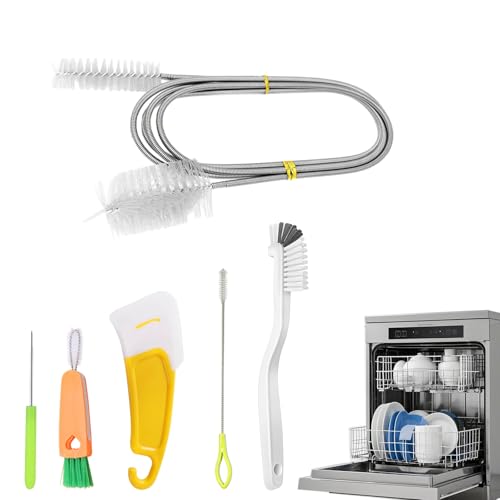
Remove the bottom rack, take out the filter, scrub the filter and interior with a dishwasher cleaning brush for filter and a stainless steel dishwasher cleaning brush, check the spray arms for debris, and run a empty cycle with a dishwasher-safe cleaner or white vinegar. For stubborn clogs, use a drain clog remover tool kit for dishwasher before re-running a cycle.
What You’ll Need
- Dishwasher cleaning brush for filter
- Stainless steel dishwasher cleaning brush
- Drain clog remover tool kit for dishwasher
- Soft cloths or microfiber towels
- Dishwasher-safe cleaner or white vinegar
- Gloves (optional)


Before You Start
Ensure the dishwasher is cool to touch and powered off. Unplug the unit or switch off the circuit breaker if accessible. Remove the bottom rack to access the sump and filter cleanout. Do not use metal tools that could scratch surfaces. Avoid mixing cleaners with bleach or ammonia, and never use pressurized sprays inside the dishwasher.
Time estimate: about 45–60 minutes for a thorough clean, plus additional time for drying. If the dishwasher is heavily soiled, plan for two sessions.
Step-By-Step: How To Clean A Kenmore Dishwasher
- Power down and access the interior by removing racks. Inspect the door seal for grime and wipe it clean with a damp cloth.
- Remove and inspect the bottom filter assembly. Use the dishwasher cleaning brush for filter to scrub away stuck debris and rinse thoroughly.
- Use the stainless steel dishwasher cleaning brush to gently scrub the interior walls and corners, paying attention to the sump and spray arms.
- Check the spray arms for clogs. If needed, remove them according to the user manual and rinse under running water, clearing holes with a brush or a pin.
- Inspect the drain area for visible blockages. If drainage is slow, use the drain clog remover tool kit for dishwasher to dislodge hair, food, or mineral buildup.
- Wipe down the door interior and gaskets with a damp cloth to remove residue. Leave the door ajar for a few minutes to air dry.
- Run a test cycle empty with a dishwasher-safe cleaner or a cup of white vinegar placed in the upper rack. This helps dissolve mineral deposits and odors.
- After the cycle completes, inspect the filter and drain again for any remaining debris. Rerun a short rinse if needed.
- Reassemble the racks and run a quick wash with no dishes to ensure everything functions smoothly.
- Schedule routine cleaning every 1–3 months depending on usage, and after heavy use or post-holiday meals, for best results.
Troubleshooting
| Symptom | Likely Cause | Fix | Prevention |
|---|---|---|---|
| Dishwasher smells | Odor buildup in filter or sump | Clean filter and interior thoroughly | Regular cleaning every 1–3 months |
| Poor cleaning results | Clogged spray arms or filter | Clear spray arms; clean filter | Check debris before loading and avoid overloading |
| Water not draining | Drain blockage | Use drain clog remover tool kit for dishwasher appropriately | Prevent debris in sink disposal or drain |
| Cycle stops mid-way | Electrical or timer issue | Reset power; check for error codes in manual | Avoid overloading and use proper detergents |
Common Mistakes
- Using harsh chemicals that damage gaskets or coatings
- Forcing brushes into small gaps, causing scratches
- Rinsing with hot water before cleaning, which can set some residues
- Ignoring clogged spray arms or filters during routine maintenance
Tips For Best Results
- Run an empty cycle with a dishwasher-safe cleaner monthly to prevent mineral buildup.
- Use vinegar sparingly; frequent use can raise acidity and affect rubber seals over time.
- Always check the drain filter after heavy use to avoid drainage issues.
- Keep the door seal clean to improve sealing and odor control.
Call A Professional
Seek professional help if the dishwasher shows persistent drainage problems, gas-like smells, electrical burning odors, or cycles that won’t complete despite cleaning. Signs to stop DIY attempts include exposed wiring, visible damage to the door, or malfunctioning control panel.
FAQ
Can I use bleach to clean my Kenmore dishwasher?
Bleach can damage rubber seals over time; use it sparingly and follow manufacturer guidance. A dishwasher-safe cleaner or vinegar-based method is typically sufficient for routine cleaning.
How often should I clean the filter?
Check and clean the filter every 1–2 months, or more often if the appliance handles heavy loads or shows drainage issues.
Why are my dishes still dirty after a cycle?
Likely causes include a clogged spray arm, a full or clogged filter, or insufficient detergent. Clean the filter, arms, and run an empty cycle with a cleaner.
Is it safe to remove spray arms for cleaning?
Yes, but consult the Kenmore manual for model-specific guidance. Ensure arms are securely reattached after cleaning.
What should I do about hard water buildup?
Use a mineral- or scale-removing cleaner designed for dishwashers and consider a water softener if mineral buildup persists.
Buying Guide
Choosing accessories and maintenance tools for a Kenmore dishwasher involves considering size and compatibility, noise level, energy and water efficiency, control features, and placement. Below are key buying factors to help consumers pick the right items for cleaning and upkeep.
- <bSize and fit: Ensure brushes and tools are compatible with typical Kenmore models and fit into the filter housing and spray arms comfortably.
- <bNoise and energy considerations: While cleaning tools don’t affect operating noise, choosing energy-efficient cleaners and appropriate accessories can minimize cycle times and maintain performance.
- <bControls and compatibility: Use tools and cleaners that won’t interfere with electronic controls. Avoid harsh chemicals that could degrade gaskets or seals.
- <bPlacement and storage: Keep brushes and the drain clog remover kit in a dry, accessible location near the kitchen area where the dishwasher is used regularly.
- <bDurability and material: Opt for stainless steel brushes for longevity and better cleaning action, especially on metal components.
Leave a Reply