How to Clean Keen Hiking Boots
Keeping Keen hiking boots clean helps extend their life and maintain traction and comfort on trails. This guide provides practical, step‑by‑step instructions tailored to common boot materials found in Keen footwear, with safe options for leather and suede finishes. Readers will learn how to remove dirt, condition materials, and protect boots for future adventures.
Whether the boots are leather, suede, or a waterproofed blend, the right cleaning routine can prevent damage and preserve fit. The methods below emphasize careful handling, proper tools, and product compatibility to maintain performance on rugged American trails.
Quick Answer
Brush off loose dirt, wipe with a damp cloth, clean any stains with the appropriate kit, rinse, air dry away from direct heat, and apply a suitable waterproofing spray. Use the leather kit for leather areas, the suede nubuck kit for nubuck/suede, and reseal with a compatible spray after cleaning.
What You’ll Need
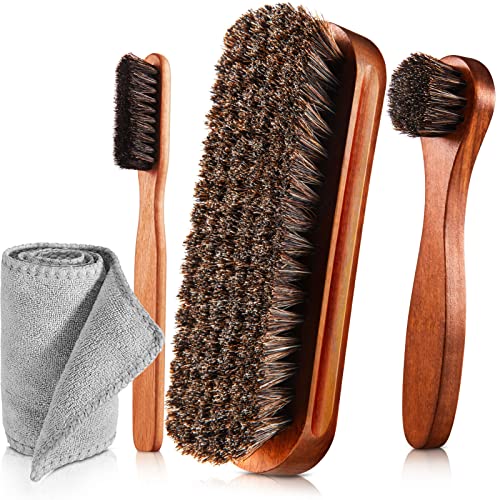
- Leather hiking boot cleaning brush kit
- Suede nubuck boot cleaning kit brush eraser
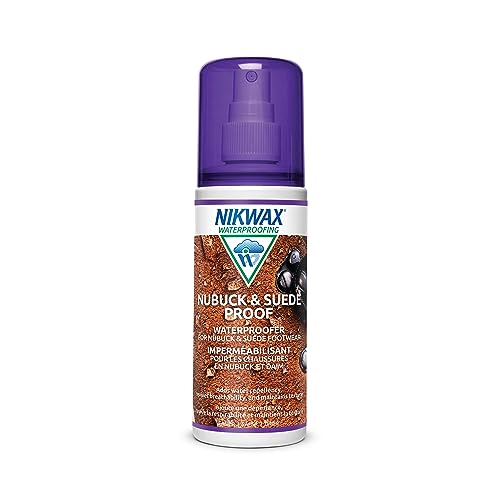
- Waterproofing spray for hiking boots leather suede

Before You Start
Inspect boots for deep cracks or separating seams. If weatherproofing is worn, plan to reapply after cleaning. Work in a well‑ventilated area and avoid direct sun or high heat while drying. For delicate leather, test cleaners on a hidden area first. Careful handling protects the boot’s structure and stay-cemented components.
Time estimate: 20–40 minutes for a thorough clean, plus drying time. If boots are heavily caked with mud, allow extra minutes for pre‑soaking.
Step-By-Step: How To Clean Keen Hiking Boots
- Remove laces and insoles to access all surfaces and launder separately if needed.
- Lightly brush off loose dirt using the leather hiking boot cleaning brush kit to avoid pushing grime into seams.
- For leather areas, prepare a mild cleaning suds and wipe with a damp cloth, then scrub with the leather kit as recommended by the manufacturer.
- For suede or nubuck sections, use the suede nubuck kit brush eraser to lift surface dirt without abrading nap.
- Address stubborn stains with the appropriate kit’s eraser or gentle brush, following product guidelines.
- Rinse or wipe away soap residue with a clean damp cloth; avoid soaking leather parts to prevent stiffness.
- Pat dry with a clean towel, then let boots air dry in a shaded area with good airflow; keep away from radiators or direct sun.
- Once dry, evenly apply a compatible waterproofing spray for hiking boots leather suede to restore water repellency.
- Reinsert laces and insoles, then wear temporarily to settle the cleansed material before storage.
- Store boots in a cool, dry place to prevent odor and mildew growth.
- Perform routine maintenance after heavy use or exposure to wet conditions to maintain performance.
Troubleshooting
| Symptom | Likely Cause | Fix | Prevention |
|---|---|---|---|
| White residue after drying | Soap left on leather or suede | Wipe with a clean damp cloth and air dry | Rinse soap thoroughly; use minimal suds |
| Stiff leather after cleaning | Over-drying or harsh cleaners | Apply a leather conditioner per kit instructions | Avoid high heat; use appropriate cleaners |
| Nap discoloration on suede | Excess moisture or improper brush | Re‑dry in shade and revive nap with suede brush | Use suede-specific products and gentle strokes |
| Leather cracking after cleaning | Rough cleaning or water exposure | Condition with proper leather care product | Protect with waterproofing spray after drying |
| Persistent odor | Moisture buildup inside boot | Air dry thoroughly; consider odor‑neutralizing sachets | Dry thoroughly between uses |
Common Mistakes
- Using harsh detergents or boiling water on leather or suede
- Letting boots soak or stay very wet for long periods
- Skipping drying time or drying near heat sources
- Neglecting to reapply waterproofing after cleaning
- Ignoring test patches on delicate areas
Tips For Best Results
Test any cleaning product on a hidden area first to confirm colorfastness. Use the correct kit for each material region to avoid nap damage or leather stiffening. After cleaning, let boots dry in a ventilated space rather than a closed area to prevent mildew. Regular maintenance, including light brushing after each hike, extends boot life and maintains appearance.
Consider scheduling a routine cleaning after wet or muddy hikes. For frequently used boots, a light clean every few weeks can prevent heavy buildup and preserve the boot’s fit and function.
Call A Professional
Seek professional help if there are deep structural issues such as sole separation, cracked uppers, or compromised waterproof membranes. If cleaning products cause discoloration or material damage beyond basic scuffs, a cobbler or boot care specialist can provide appropriate restoration services.
FAQ
Can I clean Keen hiking boots with just water?
Water can help remove loose dirt, but a dedicated cleaning kit yields better stain removal and material protection.
Is it okay to machine wash leather hiking boots?
Most leather boots should not be machine washed; follow the manufacturer’s care instructions and use gentle, hand‑clean methods instead.
How often should I waterproof Keen boots?
Reapply waterproofing after cleaning or exposure to heavy rain to preserve water repellency.
What should I do with wet boots after cleaning?
Stuff them with newspaper or a moisture-absorbing material and allow air drying in a shaded area before storage.
Are all waterproof sprays compatible with suede?
Choose a waterproofing spray labeled for both leather and suede to avoid patchiness or nap damage.
Can I use conditioner on suede?
No. Suede should be treated with products designed for nubuck or suede to protect nap without staining.
What about odor in hiking boots?
Dry thoroughly after use and consider odor‑absorbing sachets or charcoal inserts between uses.
Buying Guide
When choosing cleaning and care products for Keen hiking boots, consider size and surface compatibility, especially if boots combine leather and suede. Look for products designed for multi‑material footwear to simplify care. Noise level is not a factor here, but ease of use and clear instructions improve results. Energy efficiency is not directly relevant, but compact bottle sizes save space on trips.
Key buying factors include:
- Material compatibility: Ensure the kit covers leather and suede/nubuck surfaces or use separate kits
- Application method: Sprays, brushes, and erasers—choose based on your cleaning style
- Waterproofing efficacy: Look for durable repellency on both leather and suede
- Drying guidance: Clear instructions help prevent damage from improper drying
- Portability: Compact kits are ideal for hikers who travel light
Additionally, compare kit components and read user reviews to gauge real‑world performance on Keen models. Consider future needs, such as replacing worn brushes or adding a dedicated suede eraser, to maintain a complete care routine. If you frequently hike in wet conditions, having a reliable waterproofing spray is a prudent investment.
Leave a Reply