How to Clean Silver Jewelry at Home
Silver jewelry can retain its shine with simple, at-home care. This guide walks through safe cleaning methods using common tools and products, while preserving delicate finishes and avoiding common damage.
Readers will learn quick, effective steps, troubleshooting tips, and when to seek professional help to keep silver pieces looking like new.
Quick Answer
For routine cleaning, use a gentle silver tarnish remover solution and a soft polishing cloth to brighten surface areas. For stubborn tarnish or intricate designs, an ultrasonic cleaner for silver jewelry can be effective, followed by a final polish with a dedicated cleaning kit. Always rinse thoroughly and dry completely to prevent water spots.
What You’ll Need
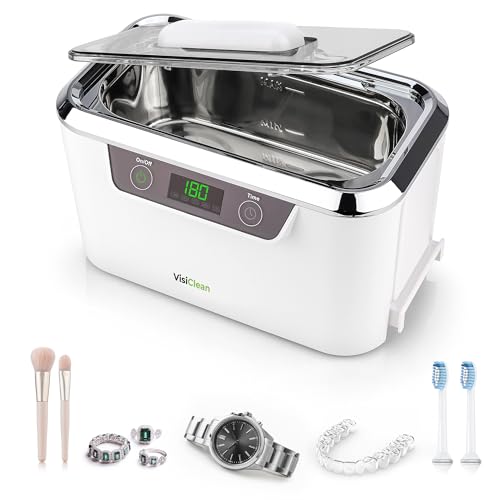
- Ultrasonic cleaner for silver jewelry
- Silver jewelry cleaning kit with polishing cloth
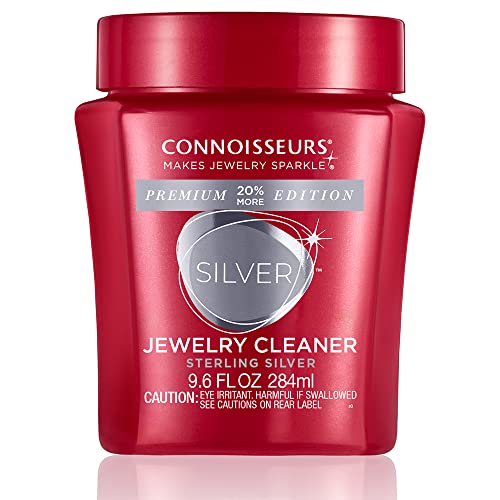
- Silver tarnish remover solution for jewelry

Before You Start
Prepare a clean, distraction-free workspace and lay out microfiber towels to dry and buff pieces. Inspect each item for loose stones, clasps, or fragile settings before submerging or scrubbing. Avoid harsh abrasives, ammonia-based cleaners, and prolonged soaking with porous stones. Estimate cleaning time: 10–30 minutes per piece, depending on tarnish level and design complexity.
Step-By-Step: How To Clean Silver Jewelry At Home
- Remove any gemstones or pearls from jewelry that could be damaged by liquids or ultrasonic waves.
- Gently dust the piece with a soft brush or microfiber cloth to remove surface dirt.
- Prepare a cleaning solution according to the tarnish remover product instructions, or use a mild soap and warm water if you prefer.
- Place the jewelry in the solution briefly, avoiding prolonged soaking for porous stones or treated finishes.
- If using an ultrasonic cleaner for silver jewelry, run a short cycle on a gentle setting and monitor the piece closely to avoid overexposure.
- Remove and rinse the jewelry under lukewarm running water to remove cleaning residues.
- Pat dry with a soft, lint-free cloth; allow pieces to air-dry completely before wearing or storing.
- Use the silver jewelry cleaning kit with polishing cloth to buff surfaces to a bright shine, following the cloth’s directional guidance.
- Inspect for remaining tarnish in crevices; repeat cleaning steps if necessary, focusing on detailed areas with a soft brush.
- Store cleaned pieces in a cool, dry place, preferably in anti-tarnish pouches or individual jewelry boxes.
- For frequent wearers, establish a regular cleaning schedule to prevent heavy tarnish buildup.
- Document any sensitive finishes or stones and adjust cleaning methods accordingly to maintain finish integrity.
Troubleshooting
| Symptom | Likely Cause | Fix | Prevention |
|---|---|---|---|
| Dull finish after cleaning | Over-wiping or using abrasive cloths | Switch to a softer cloth and light, even strokes | Use recommended polishing cloth and gentle pressure |
| Stones loosened | Excessive agitation or soaking | Remove stones before cleaning; re-check settings | Follow manufacturer guidance on stone safety |
| Dark residue in crevices | Residual tarnish buildup | Re-clean with soft brush and solution; avoid over-soaking | Clean regularly to prevent heavy buildup |
| Uneven color after polish | Uneven application or worn plating | Reapply cleaner to affected areas with gentleness | Test on inconspicuous spot first |
Common Mistakes
- Using abrasive cleaners or rough cloths on silver surfaces
- Submerging jewelry with porous stones for too long
- Ignoring manufacturer directions for ultrasonic use on delicate items
- Skipping thorough drying, which can cause water spots or tarnish return
Tips For Best Results
- Clean jewelry in a well-lit area to spot tarnish and scratches early
- Perform a quick maintenance wipe after wearing to slow tarnish buildup
- Rotate storage to prevent pieces from rubbing against each other
- Test any cleaner on a discreet area before full use to confirm compatibility
Call A Professional
Seek professional help if silver jewelry shows severe corrosion, deep pitting, or structural damage, or if stones are loose or missing. Do not attempt to re-tighten settings or perform professional-grade restoration yourself. If a piece has significant value, consult a certified jeweler before attempting any cleaning method.
FAQ
Can I use a household silver polish on all jewelry?
Household polishes may be too abrasive for some finishes or stones; use products designed for jewelry and follow label directions.
Is ultrasonic cleaning safe for all silver pieces?
Ultrasonic cleaners are effective for many items but can loosen stones or damage antique finishes; test first and avoid for porous stones.
How often should I clean silver jewelry?
Light cleaning after each wear and a deeper clean every few months, depending on exposure and skin chemistry, helps maintain shine.
What storage helps prevent tarnish most?
Anti-tarnish pouches or wrapped in soft cloth with silica gel packets reduce moisture exposure and slow tarnish.
Why does silver tarnish faster near chlorine or saltwater?
Chlorides and sulfides react with silver, accelerating tarnish; rinse promptly after exposure and dry thoroughly.
Can I mix cleaning methods for different pieces?
Yes, but tailor methods to each piece’s materials and finishes to avoid damage.
Buying Guide
The right cleaning setup for silver jewelry balances effectiveness with gentleness. When choosing products, consider size and type of pieces, the level of tarnish typically encountered, and whether stones are present. A quality ultrasonic cleaner for silver jewelry works well for many items, but not all. A dedicated silver tarnish remover solution offers quick results with minimal effort, while a silver jewelry cleaning kit with polishing cloth provides a safe, controllable finish.
Key buying factors include size, noise level, energy efficiency, controls, and placement. For small home setups, compact ultrasonic cleaners with adjustable frequency and gentle cycles offer flexibility. If noise is a concern, look for models marketed as quiet operation. Energy-efficient units reduce running costs during frequent cleaning. Consider cleaners with clear cycle indicators and simple reset options for ease of use. Place cleaners on a stable, heat-resistant surface away from moisture and direct sunlight.
In terms of maintenance, ongoing care includes using the right cleaners and cloths, avoiding exposure to harsh chemicals, and storing pieces properly after cleaning. For homes with sensitive skin or high tarnish exposure, a routine cleaning plan with periodic professional checkups ensures jewelry remains vibrant without compromising settings or finishes.
Leave a Reply