How to Clean Invisible Retainers Safely and Effectively
Invisible retainers, including clear aligners, require regular cleaning to maintain hygiene and bite alignment. Proper care helps prevent clouding, discoloration, and odors while keeping the aligners comfortable and effective. This guide provides practical steps using common tools and consumer-safe practices.
Quick Answer
Clean invisible retainers daily with a gentle routine: rinse after removal, brush with a soft toothbrush and mild soap, soak periodically in a specialized cleaner, and use an ultrasonic cleaner for a deeper clean when needed. Avoid hot water, harsh chemicals, and abrasive brushes that can warp or scratch the plastic.
What You’ll Need
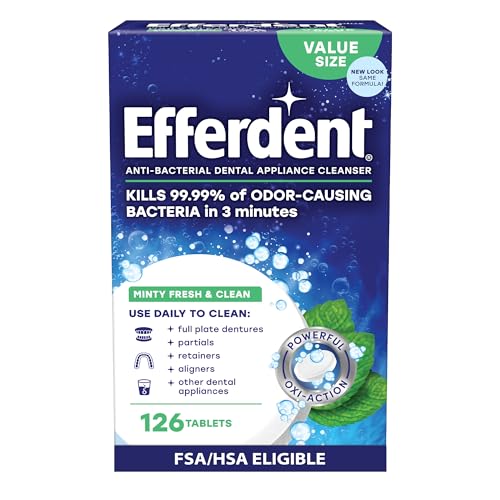
- Clear aligner cleaning tablets
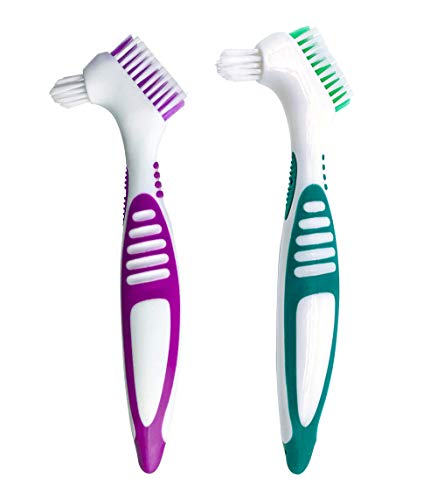
- Retainer cleaning brush set
- Ultrasonic cleaner for retainers

Before You Start
Before cleaning, rinse the retainers under cool or lukewarm water to remove saliva and loose debris. Do not use hot water, which can warp the plastic. Use a mild soap or the cleaning tablets recommended by the manufacturer. If your retainers are worn with attachments or special components, consult your dentist or orthodontist before aggressive cleaning. Plan for a routine that fits your daily schedule, typically a few minutes in the morning and evening.
Step-By-Step: How To Clean Invisible Retainers
- Rinse thoroughly: Hold the retainers under cool running water for 15–30 seconds to remove loose particles.
- Rinse and inspect: Look for cloudy areas, white residue, or buildup around attachments and crevices.
- Brush gently: Use a **soft-bristle toothbrush** and a mild, fragrance-free soap or toothpaste sparingly. Brush all surfaces in light, circular motions.
- Rinse again: Thoroughly rinse to remove all soap residue, which can cause irritation or taste issues.
- Use cleaning tablets: Drop a tablet into a cup of lukewarm water and soak the retainers as directed by the tablet instructions. Do not exceed recommended soaking times.
- Rinse after soaking: Rinse completely to remove any remaining cleaning solution before reinserting.
- Deep clean with an ultrasonic cleaner: If buildup persists, place the retainers in the ultrasonic cleaner following the device’s instructions. Avoid running the cleaner dry or with metal objects that could damage the unit.
- Dry properly: Gently pat dry with a clean, lint-free cloth or let air-dry on a clean surface before putting the retainers back in your mouth or case.
- Store correctly: Keep retainers in their case when not in use, and avoid exposed windows, heat, or prolonged sunlight which can warp plastic.
- Set a routine reminder: Establish a daily cleaning habit that works with your meals and bedtime to ensure consistent care.
- Check for wear: Periodically examine the retainers for cracks, warping, or loose attachments and discuss with your dental professional if you notice changes.
Troubleshooting
| Symptom | Likely Cause | Fix | Prevention |
|---|---|---|---|
| Cloudy looking retainers | Protective film from saliva or cleaning products | Switch to mild soap and rinse thoroughly; use tablets as directed | Rinse after meals; clean daily |
| Strong odor | Bacterial buildup in crevices | Soak with cleaning tablets; brush gently around attachments | Clean daily; avoid leaving in a closed case with moist air |
| Warping or stiffness | Too hot water or harsh chemicals | Use cool or lukewarm water; avoid bleach or heavy cleansers | Follow manufacturer guidelines; replace if warped |
| White or cloudy films after cleaning | Residue from cleaners or hard water minerals | Rinse thoroughly; consider distilled water for soaking | Limit contact with hard water; use tablet soaking as directed |
Common Mistakes To Avoid
- Using hot water or high heat sources, which can warp the plastic
- Overbrushing or scrubbing with abrasive brushes that scratch surfaces
- Skimping on rinsing after cleaning products or meals
- Neglecting to dry or store properly, leading to odor or mold growth
Tips For Best Results
- Pair daily brushing with a weekly tablet soak for a bright, fresh look.
- Rotate cleaning methods if buildup persists—combine brushing, soaking, and, if needed, ultrasonic cleaning.
- Always rinse before reinserting to avoid ingesting cleaning solution.
- Keep a dedicated cleaning kit in a consistent location to support routine adherence.
Call A Professional
If retainers become cracked, bend easily, do not fit properly, or cause persistent discomfort, contact your dentist or orthodontist promptly. Seek professional evaluation if you notice discoloration that won’t disappear with cleaning, or if you see wear around attachments or connectors. Do not attempt major repairs at home; damaged retainers may fail to protect tooth alignment.
FAQ
How often should I clean invisible retainers?
Clean them daily and soak periodically as recommended by the manufacturer or your dental provider.
Can I use toothpaste to clean my retainers?
It’s best to use a mild soap or a soft cleaning tablet; toothpaste can be abrasive and may scratch surfaces over time.
Is an ultrasonic cleaner safe for clear aligners?
Yes, when used according to the device instructions and the retainer materials’ guidelines.
What should I do if my retainer smells even after cleaning?
Try a longer soak with a cleaning tablet, then brush gently and rinse thoroughly. If odors persist, consult your dentist.
Can I soak retainers in mouthwash?
Generally not recommended, as some mouthwashes contain colorants or alcohol that can damage plastic over time.
Is it safe to wear retainers while undergoing cleaning?
No. Remove retainers before cleaning or soaking, and reinsert only after they’re fully rinsed and dry.
What should I do if my retainer cracks?
Schedule a professional evaluation; do not try to repair with household materials.
Buying Guide
When selecting products to support cleaning invisible retainers, consider size, material compatibility, and ease of use. Key buying factors include:
- Size and travel compatibility: Choose compact cleaning tablets and portable cases for cleaning on the go without compromising cleaning efficacy.
- Cleaning effectiveness: Look for products proven to remove protein buildup, plaque, and odors without harsh chemicals.
- Noise level and ease of use: Ultrasonic cleaners vary in loudness; consider models with adjustable intensity for consistent results with minimal disruption.
- Energy efficiency: If using electric devices, select energy-efficient cleaners with automatic shutoff and energy-saving modes.
- Controls and indicators: Simple timers and clear instructions help maintain proper soaking durations and prevent overexposure.
- Compatibility: Verify that tablets, brushes, and cleaners are suitable for your specific retainer type and attachments.
- Placement and storage: A dedicated cleaning station near a sink eases routine maintenance and reduces the chance of misplacing retainers.
Choosing a balanced kit that includes clear aligner cleaning tablets, a retainer cleaning brush set, and an ultrasonic cleaner can cover routine daily cleaning plus deeper periodic cleans. If you have sensitive gums or metal attachments, confirm that your chosen products are compatible with your device and dental guidance. With the right approach, invisible retainers stay clear, comfortable, and effective throughout treatment.
Leave a Reply