How to Clean Invisalign Aligners Safely
Maintaining clean Invisalign aligners helps prevent buildup, odor, and potential irritation. Proper cleaning routines extend the life of the aligners and keep treatments on track. This guide outlines practical steps using common tools and widely available products.
Quick Answer
Daily rinse and scrub with a mild option, followed by a brief soak using aligned product tablets. Avoid hot water and harsh cleaners. For deeper cleaning, consider an ultrasonic approach periodically, and always rinse before reinserting into the mouth.
What You’ll Need
- Ultrasonic cleaner for Invisalign aligners
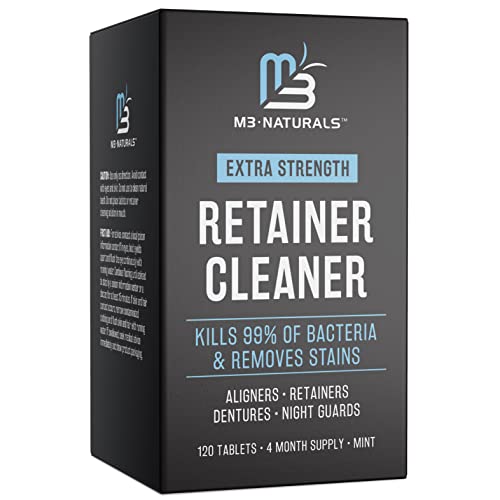
- Invisalign aligner cleaning tablets
- Aligner cleaning kit with case and brush


Before You Start
Begin with clean hands and a clean working surface. Rinse aligners under lukewarm water immediately after removal to prevent saliva and plaque from drying. Do not use hot water, bleach, or toothpaste, which can scratch or color the plastic. If fragrance-free soaps are preferred, use a small amount and rinse thoroughly. Typical cleaning sessions take about 5 to 10 minutes, with longer soak times when using cleaning tablets or an ultrasonic cleaner.
Caution: Do not leave aligners out in the open where pets or children can reach them. Never boil or place aligners in high-heat environments, which can warp the plastic.
Step-By-Step: How To Clean Invisalign Aligners
- Rinse the aligners under lukewarm tap water to remove loose debris.
- Gently brush the surfaces with a soft-bristle brush designed for aligners or dentures, using a mild, fragrance-free soap if needed.
- Rinse again to remove all soap residues.
- Prepare a cleaning solution: drop-in Invisalign aligner cleaning tablets or use the cleaning kit’s recommended method for soaking.
- Soak the aligners for the recommended duration, typically 5–15 minutes, ensuring all surfaces are submerged.
- Remove the aligners and give them a quick rinse under cool or lukewarm water to wash away loosened deposits.
- Dry with a clean, lint-free cloth or allow to air dry completely before reinserting.
- Inspect for any remaining residue or cloudiness; repeat steps if needed, but avoid over-cleaning which can damage the material.
- Store in the aligner case when not wearing them, ensuring the case is clean and dry.
- When traveling, carry a small cleaning kit or travel-sized cleaning tablets to maintain hygiene on the go.
Troubleshooting
| Symptom | Likely Cause | Fix | Prevention |
|---|---|---|---|
| Cloudy or dull aligners | Build-up of saliva film or minerals | Use cleaning tablets or ultrasonic cleaner as recommended | Rinse after meals, avoid colored beverages around wear time |
| Strange odor | Infrequent cleaning, trapped debris | Increase soaking frequency and ensure thorough brushing | Regular cleaning routine |
| Warping or distortion | Exposure to heat or improper cleaning | Never use hot water; follow tablet/ultrasonic instructions exactly | Store in proper case and avoid heat |
| Scratches on surface | Using abrasive brushes or toothpaste | Switch to soft brush and non-abrasive cleaner | Use dedicated aligner cleaning tools |
| Recurrent staining | Colored beverages during wear | Rinse after drinking, use color-safe cleaning tablets | Limit staining liquids around wear times |
Common Mistakes
- Using toothpaste or abrasive cleaners that scratch the plastic
- Washing with hot water or placing aligners near heat sources
- Skipping the soak step or neglecting to brush surfaces
- Relying solely on mouth rinses without brushing or soaking
Tips For Best Results
- Coordinate cleaning with meals—avoid leaving aligners out for long periods; a quick rinse before meals helps reduce buildup.
- Keep a dedicated container for traveling that contains a small cleaning tablet and a brush for on-the-go maintenance.
- When using an ultrasonic cleaner, follow the device’s instructions and avoid over-soaking, which can stress the material.
- Replace the aligner case regularly to reduce bacterial buildup. Clean the case weekly with mild soap and rinse thoroughly.
- Check aligners for micro-scratches periodically; minor wear can harbor deposits, so gentle brushing is essential.
Call A Professional
Seek professional advice if aligners show persistent cloudiness, cracking, warping, or fit issues that interfere with treatment. Contact the orthodontist or dental professional promptly if there is any sharp edge or if you cannot insert or remove aligners comfortably.
FAQ
Can I use hot water to clean Invisalign aligners?
No. Hot water can warp the plastic and affect fit. Use lukewarm water instead.
Are Invisalign aligner cleaning tablets safe for daily use?
Yes, when used as directed, aligner cleaning tablets safely disinfect and remove buildup without harming the material.
Is an ultrasonic cleaner necessary for cleaning aligners?
Not always, but it can give a deeper clean. Use it periodically or as recommended by your provider.
How often should I clean my aligners?
Daily cleaning is recommended, with a deeper soak or ultrasonic cleaning a few times per week, depending on lifestyle and buildup.
Buying Guide
When choosing tools and products for Invisalign aligner cleaning, consider size, noise, energy use, controls, and placement convenience.
- <bSize: Choose a compact ultrasonic cleaner that fits your bathroom counter space, or opt for tablet-based cleaning that travels easily.
- <bNoise level: Some ultrasonic units run quietly; if sound sensitivity is important, look for models with low decibel ratings.
- <bEnergy efficiency: Energy-efficient devices save power during frequent use; check energy-star ratings if available.
- <bControls: Simple timer and cycle settings help ensure consistent cleaning without guesswork.
- <bPlacement: A unit with a small footprint or a foldable kit is convenient for bathroom storage or travel bags.
Comparing options like an ultrasonic cleaner for Invisalign aligners, Invisalign aligner cleaning tablets, and an aligner cleaning kit with case and brush helps tailor the setup to daily routines and travel needs. Evaluating reliability, customer reviews, and ease of replacement parts can also guide a smart purchase. If unsure, start with a basic kit and add an ultrasonic cleaner later if deeper cleaning becomes necessary.
Leave a Reply