How to Clean an Instant Solo Coffee Maker
Maintaining an Instant Solo coffee maker helps ensure consistently good-tasting coffee and extends the appliance’s life. Regular cleaning removes mineral buildup, oils, and residue that can affect flavor and performance. This guide provides practical steps, safe methods, and product recommendations tailored for single-serve machines.
Quick Answer
Run a dedicated descaling cycle with descaling tablets for coffee makers, then wipe the exterior and removable parts. For stubborn residue, use coffee maker cleaning tablets for single-serve machines and a soft brush to reach tight spots. Finish with a thorough rinse before brewing your next cup.
What You’ll Need
- Descaling tablets for coffee maker
- Coffee maker cleaning tablets for single-serve machines
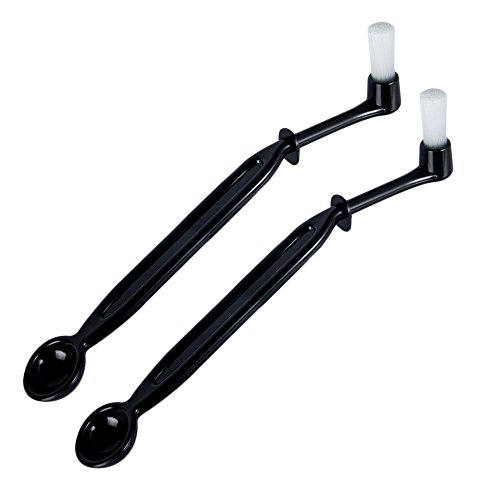
- Espresso machine cleaning brush
- Clean water for rinsing
- Soft cloth or sponge

Before You Start
Read the user manual for model-specific guidance. Ensure the machine is unplugged during cleaning and cool to touch before handling hot parts. Use clean, fresh water for each rinse. Avoid abrasive cleaners that could damage the finish or seals. Important: never submerge the machine body in water. Time estimate: 30–45 minutes for a full clean cycle and parts wash; plan for additional rinse cycles if mineral buildup is heavy.
Step-By-Step: How To Clean An Instant Solo Coffee Maker
- Remove any used capsules or pods and take out the reservoir and any removable components.
- Rinse the water reservoir with warm water and mild soap, then rinse thoroughly to remove soap residue.
- Fill the reservoir with water and add the recommended dose of descaling tablets for coffee maker according to the product instructions.
- Run a full descaling cycle without coffee to dissolve mineral buildup. If your model has a two-cycle option (short and long), follow the manufacturer’s sequence.
- Empty the reservoir, rinse, and fill with fresh water. Run 1–2 complete rinse cycles to remove any descaling residue.
- For stubborn buildup on internal surfaces, use a coffee maker cleaning tablet for single-serve machines. Run a short wash cycle, then a full rinse.
- Clean the brew head or nozzle area with a damp cloth. Use the espresso machine cleaning brush to loosen any trapped residue around the threading and seals.
- Wipe the exterior and removable parts with a damp cloth. Dry thoroughly before reassembly.
- Reassemble, fill the reservoir with fresh water, and run a final water-only cycle to ensure everything is clean and ready for use.
- Run a test brew with a small amount of water and discard it to ensure no cleaner taste remains in the system.
- Store any cleaning tools in a dry place and set a reminder for regular maintenance every 1–3 months depending on usage and water hardness.
Troubleshooting
| Symptom | Likely Cause | Fix | Prevention |
|---|---|---|---|
| Weak coffee or off flavor after cleaning | Residual cleaner or descaler taste | Run additional clean water cycles until taste is neutral | Rinse thoroughly, use the recommended amounts |
| Water not dispensing or slow flow | Mineral buildup in internal channels | Perform descaling cycle per tablet instructions | Regular descaling schedule |
| Residual residue around brew head | Residue not fully rinsed | Clean with a brush and run extra rinses | Rinse thoroughly after cleaning |
| Leakage from seals | Gasket wear or improper reassembly | Check seals, reassemble correctly | Inspect seals during cleaning cycle |
Common Mistakes
- Using harsh or household cleaners inside the reservoir or brewing area.
- Skipping thorough rinses after descaling or cleaning tablets.
- Ignoring mineral buildup in the water lines, especially in areas with hard water.
- Overfilling the reservoir with cleaner substances beyond manufacturer guidelines.
Keeping to manufacturer recommendations helps maintain performance and warranty coverage. Always follow the dosing instructions on descaling tablets for coffee makers and cleaning tablets for single-serve machines.
Tips For Best Results
- Choose descaling tablets that are compatible with single-serve machines to avoid residues that alter taste.
- Match the descaling frequency to water hardness: harder water requires more frequent cleaning.
- Use filtered or bottled water if your local water has heavy minerals; this reduces buildup and improves flavor.
- Clean the removable parts with warm soapy water after each use and dry completely before reassembling.
- Keep the nozzle and brew head free of coffee oils by wiping them down weekly.
Call A Professional
Seek professional help if the machine shows persistent leaks, persistent failure to brew despite cleaning, or if there are electrical concerns. Do not attempt internal repairs beyond the cleaning and descaling procedures described. If the device is under warranty, contact the manufacturer or an authorized service provider before attempting any complex fixes.
FAQ
How often should I descale my Instant Solo coffee maker?
Descale every 1–3 months, or more often if you have hard water or notice slower brewing or off-tastes.
Can I use vinegar to clean the machine?
Vinegar is not recommended for most single-serve machines; use manufacturer-approved descaling tablets for best results and warranty compliance.
Do I need to remove the filter before descaling?
Yes, remove any reusable filters and pods as described in the manual to avoid interference with the cleaning cycle.
Is it safe to run a cleaning cycle with the machine empty?
Yes, running a cleaning or descaling cycle with only water is safe and effective if done as instructed.
What should I do if the taste remains after cleaning?
Run several plain-water rinses, then brew a small pot of coffee with fresh beans to test; if taste persists, consider replacing local water or checking for lingering residues.
Buying Guide
When selecting cleaning supplies for an Instant Solo coffee maker, consider size compatibility, compatibility with single-serve systems, and the presence of clear usage instructions. Here are key buying factors to evaluate:
Size and compatibility: Ensure the descaling and cleaning tablets are suitable for single-serve machines and fit the specific model line. Some tablets are designed for 1- or 2-cup brewers, while others work across many brands.
Descaling efficacy: Look for descalers that are clearly labeled as safe for coffee makers and that provide explicit directions for dosage and cycle duration. The product should be trusted and widely used for domestic appliances.
Cleaning tablets for single-serve machines: These are formulated to remove oils and coffee residues without harming seals. They complement descaling tablets for a complete cleaning routine.
Brush and tools: An espresso machine cleaning brush helps reach tight spaces around the brew head and seals. Choose a brush with soft bristles to avoid scratching delicate surfaces.
Water quality considerations: If your area has hard water, pair cleaning routines with a water filter or use filtered water to minimize mineral buildup between cleanings.
Ease of use and instructions: Clear, step-by-step instructions help ensure proper cleaning without accidental damage. Look for products that include dosage guidelines and cycle durations for your machine type.
Warranty and safety: Use products recommended by the coffee maker’s manufacturer when possible. This helps protect warranty coverage and ensures compatibility.
Leave a Reply