How to Clean Indoor Turf: A Practical Guide
Indoor turf surfaces require regular upkeep to stay looking vibrant and to extend their life. Proper cleaning helps remove dust, pet hair, and debris without damaging the fibers. This guide provides clear steps, safety tips, and practical tools to keep synthetic grass looking fresh in rooms, gyms, or play areas.
By following these methods, homeowners and facility managers can maintain a clean, safe, and aesthetically pleasing indoor turf environment with minimal disruption to daily activities.
Quick Answer
For routine cleaning, shake or brush out loose debris, then vacuum or sweep. Use a microfiber mop for light damp cleaning and a stiff-bristle artificial grass cleaning brush for stubborn dirt. For deeper cleaning, mix a mild soap solution and rinse with water, ensuring complete drying to prevent mildew.
What You’ll Need
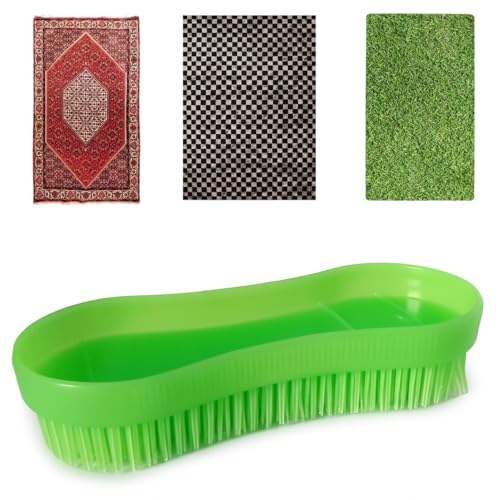
- artificial grass cleaning brush stiff bristle
- synthetic turf rake artificial grass
- microfiber mop artificial grass cleaning


Before You Start
Clear the area of movable furniture and pets. Check for any dark spots or odors that may indicate moisture buildup. Test a small, inconspicuous section if using cleaning solutions to ensure no color transfer or fiber damage. Time estimates vary: lightweight cleaning can take 15–30 minutes, while deep cleanings may take 1–2 hours including drying.
Caution: Do not use harsh chemical cleaners, bleach, or high-pressure steam on most indoor turf fibers, as these can degrade the surface. Avoid letting moisture linger in seams or backing, which can encourage mold growth.
Step-By-Step: How To Clean Indoor Turf
- Remove loose debris by shaking, sweeping, or using a handheld vacuum along the fibers.
- Brush the turf with a artificial grass cleaning brush stiff bristle to lift flattened pile and reveal distressed areas.
- Rake large areas with a synthetic turf rake artificial grass to redistribute fibers and prevent matting.
- Vacuum corners and edges thoroughly to capture dust, skin particles, and hair that settle in seams.
- For light soils, mix a small amount of mild dish soap with warm water and mop across the turf using a microfiber mop artificial grass cleaning pad.
- Rinse with clean water to remove soap residue, using a damp mop or a gentle spray from a spray bottle.
- Blot excess moisture with towels and allow air to circulate for fast drying, ideally with a fan or window opening.
- Inspect for spots or stubborn stains; repeat brushing or spot-cleaning as needed.
- Address pet odors by sprinkling a small amount of baking soda, letting it sit briefly, then brushing and vacuuming away.
- Apply a light, pet-safe deodorizer only if persistent odors remain, following label directions.
- Return furniture and items once the surface is completely dry and fluffy again.
- Schedule routine cleanings based on foot traffic, pets, and environmental conditions to maintain freshness.
Troubleshooting
| Symptom | Likely Cause | Fix | Prevention |
|---|---|---|---|
| Flattened fibers after use | Heavy foot traffic or inadequate brushing | Brush with stiff bristle brush or rake | Regular maintenance schedule |
| Odor despite cleaning | Moisture trapped in backing | Increase ventilation and dry thoroughly; consider deodorizer | Dry before use; avoid overwatering |
| Stains from spills | Liquid absorption by fibers | Spot-clean with mild soap solution; rinse and dry | Wipe spills promptly |
| Fiber color fading | Harsh cleaners or prolonged sun exposure if near windows | Switch to mild cleaners; avoid direct heat on fibers | Limit sun exposure; use protective coverings |
Common Mistakes
- Using bleach or ammonia-based cleaners on indoor turf
- Spraying excessive water or steam directly onto seams
- Neglecting drying time after washing
- Over-brushing, which can fray or distort pile direction
Sticking to mild cleaners and controlled drying helps preserve fiber integrity and color.
Tips For Best Results
- Brush against the grain to lift fibers and prevent matting after damp cleaning.
- Vacuum with a low-abrasion setting to avoid fiber wear on delicate areas.
- Regularly inspect seams and infill levels if applicable; reseal or refill as needed.
- Use a labeled pet-safe deodorizer only when odors persist after thorough cleaning.
Call A Professional
Consider a professional cleaning service if: there is stubborn staining from dyes or dyes are transferring, persistent odors despite cleaning, or the installation area is large and requires specialized equipment. If the turf shows cracking, loose backing, or significant seam separation, stop cleaning and seek expert assessment.
FAQ
Can I clean indoor turf with a steam cleaner?
Steam can damage fibers and backing; it is generally not recommended unless specifically approved by the turf manufacturer.
How often should indoor turf be cleaned?
Light daily upkeep with brushing and vacuuming, plus a deeper clean every few weeks depending on use and pets.
What cleaners are safe for synthetic grass?
A mild dish soap solution or dedicated synthetic turf cleaner is usually safe; avoid harsh chemicals.
How do I remove pet urine odors from indoor turf?
Rinse with water, blot dry, and apply a small amount of baking soda or a pet-safe deodorizer as needed.
Is it safe to use a microfiber mop on artificial grass?
Yes, a microfiber mop is effective for light cleaning and drying without abrasion when used gently.
Buying Guide
When choosing tools and accessories to clean indoor turf, consider size, noise, and ease of use. A microfiber mop artificial grass cleaning is ideal for quick, non-abrasive maintenance, while a artificial grass cleaning brush stiff bristle helps lift fibers in high-traffic areas. The synthetic turf rake artificial grass is great for larger jobs and reshaping piles. Look for soft, non-abrasive materials to prevent fiber damage, and choose tools with comfortable grips for extended use. Consider storage space, compatibility with your turf backing, and whether the tool is suitable for both home and commercial environments. If you have pets, prioritize tools that minimize odor and bacteria buildup. Finally, confirm that cleaners are safe for your specific turf brand and backing type to avoid voiding warranties.
Leave a Reply