How to Clean a Glued-Down Indoor/Outdoor Carpet
Glued-down carpets present a unique cleaning challenge because the adhesive helps keep flooring in place but can also trap dirt, stains, and moisture. This guide walks American homeowners through safe, practical steps to refresh both indoor and outdoor sections without damaging the installation or the surrounding surfaces.
Following a structured approach helps protect the subfloor, preserve the carpet fibers, and remove stubborn grime effectively. The methods below focus on realistic tools and common-sense techniques you can perform with readily available supplies.
Quick Answer
Best first steps: start with a light vacuum to lift loose debris, then use a floor scraper for glue residue, followed by a carpet glue remover tool or an oscillating tool with a carpet adhesive removal blade kit for tougher spots. For large areas, work in manageable sections and keep the area dry as you go.
What You’ll Need
- Vacuum cleaner with strong suction
- Floor scraper for carpet glue removal
- Carpet glue remover tool putty knife scraper
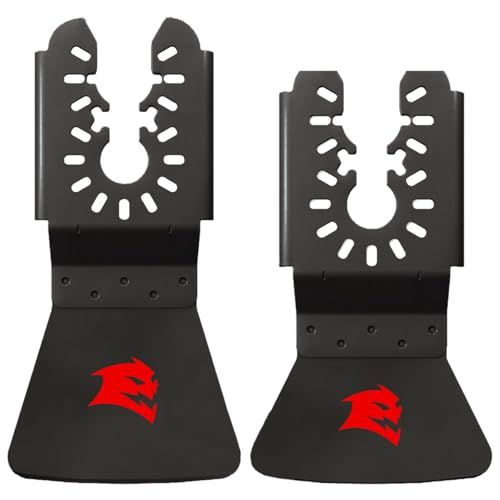
- Oscillating tool carpet adhesive removal blade kit
- Plastic putty knives (for gentle scraping)
- Mild household cleaners or specialty adhesive remover (as recommended by product labels)
- Bucket of warm water and clean rags
- Non-slip gloves and safety glasses


Before You Start
Inspect the area for loose edges, warping, or damaged adhesive layers. Clear furniture and move rugs or obstacles out of the workspace. Test any chemical remover on a small, inconspicuous area to ensure it does not discolor or deteriorate the carpet backing. Allow the surface to dry thoroughly between steps to prevent mold growth. Important: follow label directions for any solvent or remover, and ventilate the space well, especially in enclosed areas.
Step-By-Step: How To Clean A Glued-Down Carpet
- Thoroughly vacuum the entire area to remove loose dirt, dust, and debris that can clog tools.
- Inspect for obvious sticky spots and large sections of old adhesive. Mark sections to tackle in order of difficulty.
- Use a floor scraper for initial glue removal on flat, accessible patches. Work slowly to avoid gouging the subfloor or tearing carpet backing.
- For more stubborn residues, switch to a carpet glue remover tool putty knife scraper. Keep the blade at a shallow angle and steadily push along the adhesive edge.
- Set aside removed glue fragments and wipe the surface with a damp rag to prevent re-adherence of dust and small particles.
- If remaining adhesive remains after scraping, employ an oscillating tool carpet adhesive removal blade kit. Use light, controlled passes to avoid overheating the carpet fibers or damaging the substrate.
- Rinse the area with a mild cleaner and warm water. Avoid soaking the carpet backing; use a damp cloth or sponge to lift residues.
- Repeat cleaning in sections, allowing each area to dry before moving to the next to minimize moisture exposure to the subfloor and backing.
- After adhesive is removed and the area dries, perform a final vacuum to capture loosened particles and ensure a uniform surface for foot traffic or further treatments.
- If staining persists, treat with a gentle, carpet-safe stain remover following the product’s instructions, then blot and rinse.
- Perform a final inspection and re-secure any loose carpet edges if necessary, or plan reinstallation steps if adhesive lifting has affected balance.
- Plan ongoing maintenance, including routine vacuuming and spot cleaning to prevent buildup that can complicate future glue removal.
Troubleshooting
| Symptom | Likely Cause | Fix | Prevention |
|---|---|---|---|
| Adhesive remains tacky after cleaning | Residual glue left from initial installation | Apply a compatible adhesive remover in small sections, re-scrape, and rinse completely | Test spot first; work in controlled passes |
| Carpet backing fraying or thinning | Over-aggressive scraping or blade angle | Switch to gentler blades, reduce pressure, angle blade away from the backing | Use soft tools and minimal force |
| Moisture lingering after cleaning | Insufficient drying time or over-wetting | Increase ventilation, use fans, and blot excess moisture; avoid standing liquid | Dry sections thoroughly before continuing |
| Streaks or uneven color after cleaning | Uneven cleaner application or residue | Rinse and wipe in consistent motions; use clean rags | Apply cleaners evenly and in small areas |
Common Mistakes
- Using overly aggressive blades that damage carpet backing
- Allowing moisture to pool under glued-down sections
- Rushing the process, causing uneven cleaning and repeated adhesive buildup
- Neglecting safety gear or proper ventilation when using chemical removers
- Skipping a test patch before applying cleaners or removers
Keeping a steady pace and using the right tool for each stage helps prevent common pitfalls and preserves the carpet’s longevity.
Tips For Best Results
- Work in small, manageable sections to maintain control over adhesive removal and drying times.
- Utilize the oscillating tool with the designated blade kit only for stubborn areas; save blades for their intended purpose to extend life.
- Keep blades sharp and replace dull ones to avoid excessive pressure that might damage the carpet or floor.
- Ventilate effectively and use fans to expedite drying, especially in humid environments.
- Document areas that required more effort, so future maintenance can focus on those spots first.
Call A Professional
Consider professional assistance if you encounter:
- Extensive, old adhesive from the original installation across large areas
- Uncertain subfloor condition or potential water damage
- Desire to re-glue or re-install after heavy adhesive removal
Persistent odors, staining, or signs of mold also warrant expert assessment to prevent safety risks or structural issues.
FAQ
Can I use household solvents to remove carpet glue?
Yes, but test on a hidden spot first and follow manufacturer directions to avoid harming the carpet backing.
Is it necessary to remove all glue before cleaning the carpet fibers?
Removing most adhesive improves cleanliness and reduces future buildup, though tiny residual may remain in hard-to-reach areas.
What safety gear should I wear during removal?
Wear gloves and safety glasses; ensure good ventilation when using chemical removers.
Will cleaning damage glued-down outdoor carpets?
Outdoor carpets can be more resilient, but follow the same careful steps and ensure proper drainage and drying to prevent mold.
Buying Guide
When selecting tools for cleaning a glued-down carpet, consider size, weight, and maneuverability. A lightweight floor scraper is ideal for dry glue removal on flat surfaces, while an oscillating tool with a dedicated carpet adhesive removal blade kit handles stubborn patches. Look for blades designed for flexible flooring to minimize damage.
Key buying factors include:
- Size and weight: Choose manageable tools that fit the space without causing fatigue.
- Noise level: Some power tools can be loud; consider models with variable speed and lower noise outputs for indoor use.
- Energy efficiency: Electric tools with brushless motors typically offer longer life and efficiency.
- Controls and ergonomics: Look for comfortable grips, balanced weight, and accessible trigger controls.
- Supply of blades and accessories: Confirm availability of carpet adhesive removal blades compatible with your oscillating tool and floor scraper.
- Placement considerations: For garages, basements, or porches, ensure tools are suited to the surface type and allowed near moisture-prone areas.
Consider reading product reviews and choosing a kit that includes multiple blade types, so you have the right tool for both light adhesive work and tougher residue. With the right setup, gloved hands and a set of reliable blades, a glued-down carpet can be refreshed effectively without costly renovations.
Leave a Reply