How to Clean an Incense Burner
An incense burner can add aroma and ambiance to any space, but residue from ashes, oils, and incense sticks can build up over time. This guide provides practical steps to clean different burner materials safely and effectively, using common household tools and the listed products.
Quick Answer
For quick, effective cleaning: remove ashes, rinse with warm water, scrub gently with an incense burner cleaning brush, apply isopropyl alcohol incense burner cleaner spray or plain alcohol for stubborn residue, rinse again, and buff dry with a brass incense burner polishing cloth to restore shine.
What You’ll Need
- Incense burner cleaning brush
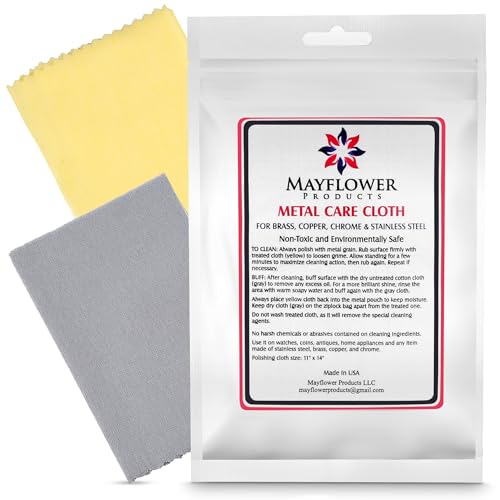
- Brass incense burner polishing cloth (or any soft microfiber cloth)
- Isopropyl alcohol incense burner cleaner spray
- Warm water and mild dish soap (optional)
- Soft towels or lint-free cloths
- Protective gloves (optional for handling hot items)
- Container or basin for soaking (if needed)


Before You Start
Turn off and cool the burner completely before cleaning. Work in a well-ventilated area to avoid inhaling fumes from cleaning sprays. If the burner is brass or metal, test a small inconspicuous area first to ensure the cleaner won’t damage the finish. For delicate ceramic pieces, avoid harsh scrubbing that could scratch the glaze. Plan for a 20–40 minute cleaning window to allow for soaking and drying time. Never use abrasive pads or rough scrubbing on fragile surfaces.
Step-By-Step: How To Clean An Incense Burner
- Remove all ashes and spent incense sticks. Gently tap the burner over a trash bin to loosen loose debris.
- Rinse the burner with warm water to remove initial grime. If the burner is ceramic, use a light stream to prevent cracking.
- Prepare a mild cleaning solution: a few drops of dish soap in warm water works for most surfaces.
- Use the incense burner cleaning brush to scrub stubborn residue on crevices and grooves. Dip the brush in soapy water as needed.
- For mineral buildup or sticky oils, spray a small amount of isopropyl alcohol incense burner cleaner spray onto a cloth and wipe the affected areas. Avoid soaking the burner unless it’s designed for immersion.
- Rinse again with warm water to remove any soap or cleaner residue. Dry thoroughly with a soft towel to prevent water spots.
- If you’re working with brass or metal, buff the surface with a brass incense burner polishing cloth in a circular motion until the finish looks uniform and shiny.
- Inspect for remaining residue. Repeat steps 4–7 on any particularly dirty spots, taking care not to over-scrub decorative details.
- Let the burner air-dry completely before reusing. Store in a dry area away from direct sunlight to prevent tarnish or glaze damage.
- For ongoing maintenance, clean the burner after every few uses to prevent buildup from becoming harder to remove.
Troubleshooting
| Symptom | Likely Cause | Fix | Prevention |
|---|---|---|---|
| Streaks or dull finish after cleaning | Residual cleaner or water spots | Buff with polishing cloth; wipe again with clean water | Dry thoroughly; use minimal cleaner |
| Residue remains in crevices | Built-up oils from incense | Apply isopropyl alcohol cleaner on cloth and scrub | Clean after every few uses |
| Brass looks dark or tarnished | Oxidation or age | Use brass polishing cloth with gentle circular motions | Regular light cleaning and storage in dry place |
| Cracked ceramic glaze | Exposure to harsh cleaners or soaking | Stop soaking; only wipe with mild solution | Avoid harsh chemicals on ceramic |
Common Mistakes
- Using abrasive pads on metal or ceramic surfaces
- Soaking delicate burners for long periods
- Applying strong solvents on decorative finishes
- Not drying completely, leading to tarnish or mold growth
Tips For Best Results
- Clean soon after use to prevent burnt resin from hardening.
- Test any cleaner on a small area before full application.
- Use a dedicated soft brush to avoid scratching delicate surfaces.
- Keep polishing cloths clean and dry for optimal shine.
- Store burners in a cool, dry place to extend finish life.
Call A Professional
Seek professional help if a burner cracks, the glaze is chipped, or tarnish covers a large area and won’t buff out. Stop using a burner that shows signs of heat damage, structural weakness, or persistent odors that suggest internal residue buildup beyond normal cleaning.
FAQ
How often should I clean an incense burner?
Clean it after every few uses or when residue becomes noticeable to maintain performance and appearance.
Can I clean a brass incense burner with household cleaners?
Yes, but use mild polish and a soft cloth to avoid scratches and dulling the finish.
Is it safe to use isopropyl alcohol on all burners?
It is generally safe on metal and ceramic surfaces, but test first on a hidden area and avoid soaking delicate finishes.
What if my burner has resin buildup in tiny holes?
Use a small brush or cotton swab dipped in isopropyl alcohol to reach narrow gaps.
Should I dry the burner after cleaning in the sun?
Airedrying in a shaded, ventilated area is best to prevent rapid drying that could cause cracking on some materials.
Can I reuse worn-out polishing cloths?
Replace worn cloths to avoid introducing lint or scratches during cleaning.
What’s the safest way to store an incense burner?
Keep it dry and upright in a designated spot where it won’t be knocked over or exposed to humidity.
Buying Guide
When choosing products to maintain an incense burner, consider material, finish, and frequency of use. For metal burners, a brass incense burner polishing cloth helps maintain shine without harsh chemicals, while a dedicated incense burner cleaning brush ensures dirt in crevices is removed without scratching surfaces. A light spray such as isopropyl alcohol incense burner cleaner spray can dissolve oils and resin, but use it sparingly and test first on sensitive finishes. Look for non-abrasive cleaners for ceramic pieces, and always verify that the cleaner is compatible with the burner’s material. Size matters if you have a compact or large burner; choose tools that fit crevices and the overall shape. Noise and energy considerations aren’t primary for cleaning, but consider the environmental impact of sprays and concentrates, opting for low-VOC formulas when available. Place your burner on a stable, heat-resistant surface away from flammable materials, and keep cleaning supplies out of reach of children and pets. If you frequently burn incense, establishing a routine cleaning schedule helps maintain the burner’s appearance and performance.
Leave a Reply