How to Clean Hiking Boots: A Practical Guide
Cleaning hiking boots after rugged trails helps extend their life and maintain performance. This guide lays out a simple, effective process for American hikers, using common gear to restore fresh appearance and protective coatings without harming materials.
Quick Answer
Brush off loose dirt, wipe with a damp cloth, clean with a gentle boot brush, condition leather if needed, and apply a waterproofing spray to restore repellency. Dry away from direct heat, then re-treat periodically for best results.
What You’ll Need
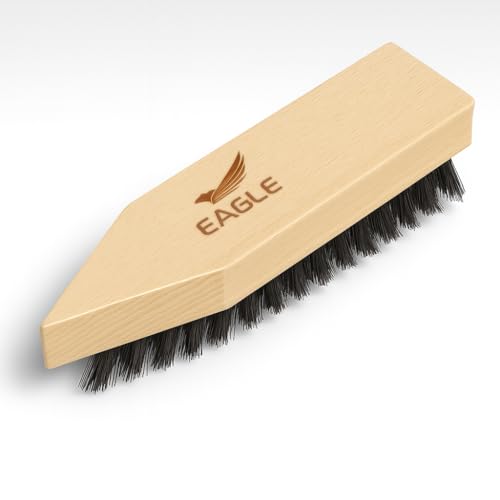
- Soft bristle boot cleaning brush hiking boots — gentle scrubbing without scratching leather or fabric
- Hiking boot cleaning kit leather conditioner brush microfiber cloth — targeted care for leather, and a soft cloth for polishing
- Waterproofing spray for hiking boots leather silicone based — restores water resistance and protects seams


Before You Start
Prepare a clean workspace and read boot labels for fabric and leather care directions. Remove laces so you can reach all seams. Time estimate: 20–40 minutes for a thorough clean, plus drying time.
Cautions: never machine wash delicate leather and avoid high heat or direct sunlight while drying. If boots have exposed foam or unusual materials, stick to manufacturer recommendations. Check for worn tread or sole separation after cleaning, and address issues before next hike.
Step-By-Step: How To Clean Hiking Boots
- Remove laces and loosen the tongue to expose interior panels for cleaning.
- Lightly brush off loose dirt with a soft bristle boot cleaning brush to prevent grinding mud into fibers.
- Rinse or wipe the exterior with a damp cloth to remove surface grime, paying attention to seams and toe caps.
- Apply a small amount of boot cleaning solution (if using a kit) to the hiking boot cleaning kit leather conditioner brush microfiber cloth and work it into leather areas in circular motions. For fabric panels, use a mild cleaner and a softer touch.
- Rinse with a clean damp cloth to remove soap residue. Avoid soaking leather; blot excess moisture with a towel.
- Allow boots to air dry away from heat sources. Stuffing with newspaper can help retain shape and speed drying.
- Once dry, reapply any leather conditioner if your boots are leather-based, using the leather conditioner brush microfiber cloth from your kit. Buff to a light sheen.
- Finish with a waterproofing spray for hiking boots leather silicone based to restore repellency. Apply evenly and allow proper curing time per product instructions.
Troubleshooting
| Symptom | Likely Cause | Fix | Prevention |
|---|---|---|---|
| Leather feels stiff after drying | Insufficient conditioning | Apply conditioner and buff with microfiber cloth | Condition periodically after cleaning |
| White residue after waterproof spray | Over-application or improper drying | Wipe lightly and let dry fully; reapply in light coats | Follow spray directions; use thin layers |
| Fabric panels faded or discolored | Harsh cleaners or sun exposure | Use mild cleaners and wash with fabric-safe products | Test on inconspicuous area; dry away from sun |
| Leather cracks after cleaning | Over-drying or aggressive scrubbing | Limit mechanical agitation; recondition | Use gentle brushes and avoid soaking |
Common Mistakes
- Using harsh household cleaners or bleach on boots
- Aggressive scrubbing that tears fabric or scuffs leather
- Skipping conditioning on leather boots after cleaning
- Applying waterproofing too thickly or unevenly
Stay mindful of material types and follow manufacturer guidance to avoid damage.
Tips For Best Results
- Clean boots soon after return from muddy trails to prevent soil setting in
- Test cleaners and sprays on a small, inconspicuous area first
- Use the microfiber cloth for polishing to prevent scratches
- Re-waterproof after leather conditioning for optimal protection
- Store boots in a cool, dry place with laces loosened to maintain shape
Call A Professional
Seek professional help if boots show significant sole separation, deep fabric tears, or persistent odor after cleaning. If any waterproofing layer fails to cure after multiple applications, a cobbler or boot repair shop can assess sealing and stitching integrity.
FAQ
Should I clean hiking boots after every trip?
Yes, especially after wet or muddy trails, to prevent material degradation and odor buildup.
Can I machine wash hiking boots?
Machine washing is generally not recommended for leather or technical fabrics; refer to manufacturer guidelines and use a gentle hand wash if allowed.
Is conditioning necessary for all boots?
Leather boots benefit from conditioning to maintain suppleness; synthetic fabrics usually do not require it.
How long should I let boots dry before use?
Allow 24 hours in a well-ventilated area; avoid heat sources that can warp materials.
Buying Guide
When choosing products for cleaning hiking boots, consider size and compatibility with boot materials, noise level of any spray applicators, energy efficiency of waterless options, and ease of use. Look for a complete kit that includes a soft brush, leather conditioner, microfiber cloth, and a silicone-based waterproof spray for leather surfaces. Consider boots made of leather, nylon, or a leather-fabric blend, as each requires different care. For storage, select a spray that dries clear and quickly, with low odor for indoor use. If you hike in wet climates, prioritize a robust waterproofing spray and a conditioner designed to maintain breathability. Finally, assess the brand’s warranty and return policy, especially for kits that promise integrated care across boot types.
Leave a Reply