How to Clean Hair Oil From Upholstery
Hair oil and other cosmetic oils can leave stubborn stains on upholstery, especially fabrics that attract grease. This guide provides practical steps using common cleaners and techniques to restore fabric without damaging the material. It covers safe prep, methodical treatment, and when to call a professional.
Whether you’re dealing with a spill on a sofa, chair, or car seat, a systematic approach helps remove oil without spreading it. The tips below emphasize using enzyme-based cleaners and fabric-safe methods that are friendly to American households and suitable for a range of upholstery materials.
Quick Answer
Blot excess oil gently, apply a fabric-safe grease stain remover, treat with an enzyme-based cleaner to break down oils, then rinse and dry thoroughly. For stubborn or repeated stains, a fabric upholstery steam cleaner can lift oils from the fibers. Always test cleaners in an inconspicuous area first.
What You’ll Need
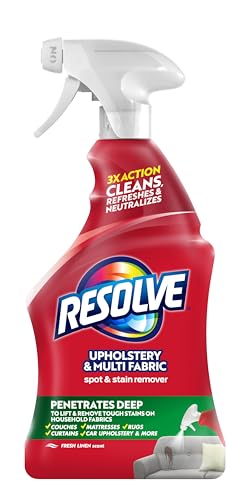
- Upholstery fabric grease stain remover spray
- Fabric upholstery steam cleaner for oil stains
- Enzyme-based upholstery cleaner for oil stains fabric


Before You Start
Clear the area and vacuum the fabric to remove loose dirt. Blot spills with a clean, white cloth—avoid rubbing, which can push oil deeper. Test any cleaner on a hidden area for colorfastness and fabric integrity. Do not use hot water, as it can set oil stains. Allow ample drying time between steps to prevent mold or mildew growth.
Time estimates vary by fabric and stain size, ranging from 20 minutes for initial spot treatment to a few hours for thorough cleaning. If the fabric is delicate or a high-value piece, consider professional cleaning to avoid damage.
Step-By-Step: How To Clean Hair Oil From Upholstery
- Gently blot any excess hair oil with a clean, white cloth until no more liquid transfers.
- Spritz a fabric grease stain remover spray onto the stained area and let it sit for the product’s recommended contact time.
- Use a soft-bristled brush to work the cleaner into the fibers in a circular motion, focusing on the stain boundary.
- Rinse the treated area with a small amount of cold water or use a damp, clean cloth to lift the cleaner away.
- Apply an enzyme-based upholstery cleaner for oil stains fabric to break down residual oils, following the label directions.
- Blot again with a clean cloth to remove moisture and lifted oils; repeat if the stain persists but avoid over-wetting.
- Run a fabric steam cleaner across the area if available, using a low-moisture setting to extract loosened oil and residues.
- Place a dry towel over the spot and apply light pressure to wick moisture away; allow the fabric to air-dry completely before use.
- Check the area for remaining stain. If necessary, repeat treatment steps 2–7 once more for stubborn stains.
- Vacuum the fabric once it is fully dry to restore nap and texture.
- Inspect adjacent areas to ensure no cleaner residue remains that could attract more dirt.
- For persistent or embedded odors, consider a second round with an enzyme-based cleaner or seek professional cleaning services.
Troubleshooting
| Symptom | Likely Cause | Fix | Prevention |
|---|---|---|---|
| Stain reappears after drying | Oil penetrated deeply before treatment | Repeat treatment with enzyme-based cleaner; avoid over-wetting | Blot immediately; act quickly on spills |
| Color bleed or fabric fainting | Cleaner too strong for fabric dye | Test in a hidden area; use milder product or professional cleaning | Always patch-test before full application |
| Strong detergent odor | Residue from cleaner | Rinse thoroughly with clean water and blot dry | Use minimal cleaner and ensure complete rinsing |
| Stiff fabric after cleaning | Excess detergent left behind | Rinse again and air-dry; light brushing may restore nap | Follow product instructions precisely |
Common Mistakes To Avoid
- Rubbing the stain, which pushes oil deeper into fibers.
- Using hot water or heat, which can set oil stains.
- Over-wetting the fabric, leading to longer drying times and potential mold.
- Skipping a patch test, risking color loss or fabric damage.
Tips For Best Results
- Work from the outside of the stain toward the center to prevent spreading.
- Use enzyme-based cleaners for oily residues on natural fibers for better breakdown.
- For multi-fabric furniture, read care labels and choose cleaners labeled safe for the material.
- After cleaning, allow full air-drying in a well-ventilated area to prevent odors.
- Consider a steam cleaner with upholstery-friendly settings to extract oils efficiently.
Call A Professional
Stop and seek professional help if the fabric is delicate (silk, rayon, or leather-like), heavily soiled, or if stains persist after multiple treatments. Also contact a pro if the stain covers a large area or if you notice discoloration or textile damage during cleaning.
FAQ
Can I use household detergents to remove hair oil from upholstery?
Household detergents can work in a pinch, but store-bought upholstery cleaners are formulated to be fabric-safe and more effective on oily residues. Always patch-test first.
Will steam cleaning damage my fabric?
When used on appropriate fabrics and with proper settings, steam cleaning can lift oils. Avoid high heat on delicate fabrics and follow the cleaner’s guidelines.
How long should I wait after cleaning before using the furniture?
Allow the fabric to air-dry completely, typically several hours, before use. Odor-free and fully dry fabrics prevent mold growth.
What if the stain returns after cleaning?
Repeat the cleaning steps focusing on the stain boundary, and consider enzyme-based cleaners for deeper breakdown.
Buying Guide
Choosing the right products and tools for oil stain removal on upholstery involves several factors. Size matters: smaller stain removers are convenient for quick spot treatments, while larger bottles are cost-effective for frequent cleaning. Noise level and energy efficiency apply to steam cleaners; look for compact, quiet models with energy-saving modes. Controls should be simple and intuitive, especially for casual homeowners. Placement matters too—treat stains promptly in bright, ventilated spaces to monitor color changes and drying times.
Key buying factors include:
- <bSize and portability: Compact spray bottles and handheld steam cleaners work well for sofas and cars.
- <bNoise level: Quieter models are preferable for homes with children or pets.
- <bEnergy efficiency: Steam cleaners labeled energy-efficient reduce running costs.
- <bControls and safety features: Look for clear instructions, automatic shutoffs, and safety locks on steam devices.
- <bCompatibility with upholstery: Check fabric care labels and choose enzyme-based cleaners for oil stains on natural fibers.
- <bPlacement and storage: Store cleaners away from heat sources and out of reach of curious pets.
Consider pairing a fabric upholstery steam cleaner for oil stains with an enzyme-based cleaner to handle stubborn residues. If unsure about fabric compatibility, consult the manufacturer’s care guide or seek professional advice to avoid damage and preserve fabric appearance.
Leave a Reply