How to Clean Hardwood Floors After Construction
Cleaning newly finished or refinished hardwood floors after a construction project requires a careful approach to remove dust, debris, and construction residues without scratching or dulling the finish. The following guide details practical steps, recommended tools, and best practices to restore the floor’s shine and safety for everyday use.
Quick Answer
For best results, start with a dry dusting using a microfiber dust mop, then follow with a damp clean using a microfiber pad or a gentle hardwood floor cleaner. Use an industrial hardwood floor scrubber machine for bulk cleanup on large areas, and finish with tack cloths to pick up fine dust. Work in small sections, always progress with the grain, and avoid over-wetting the surface.
What You’ll Need
- Industrial hardwood floor scrubber machine for construction cleanup
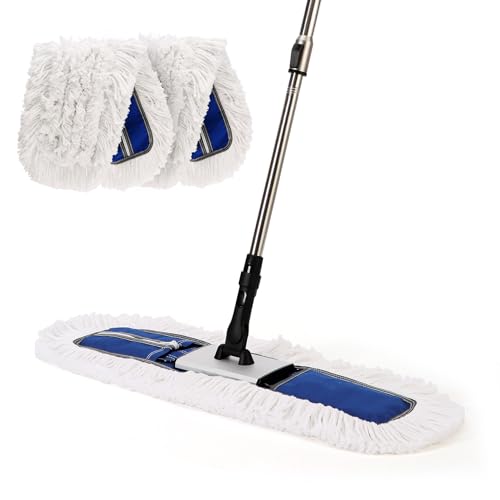
- Microfiber dust mop hardwood floors post-construction
- Tack cloth bundle hardwood floor dust removal construction cleanup


Before You Start
Before touching the floor, wear a dust mask and safety glasses to protect from fine dust. Remove any large debris with a vacuum designed for hard floors, then switch to microfibers for delicate dust. Check the floor finish for any signs of damage or dulling from construction activities. Plan the cleaning in stages: dry dusting, damp mopping, and final polish if the finish allows. Time estimate: 1–3 hours for typical rooms, longer for large areas. Important: avoid using excessive water, alkaline cleaners, or abrasive tools that can harm wood fibers or finish.
Step-By-Step: How To Clean Hardwood Floors After Construction
- Prepare the space by removing furniture and covering vents to prevent dust recirculation.
- Vacuum the entire area with a hard floor setting to pick up large debris and nails.
- Dust mop the floor using a microfiber dust mop hardwood floors post-construction to lift the fine dust.
- Use the industrial hardwood floor scrubber machine for construction cleanup on larger spaces, following the machine’s manufacturer guidelines.
- Wipe edges and hard-to-reach corners with a damp microfiber cloth, staying close to the wall to collect settled dust.
- Proceed with a damp mopping technique using a minimal amount of water and a pH-neutral hardwood floor cleaner that is compatible with the finish.
- Rinse the mop frequently and change the cleaning solution if it becomes dirty to avoid redepositing grime.
- Dry the floor promptly with a clean, dry microfiber pad to prevent water from seeping into seams.
- Finish with tack cloths to pick up any remaining fine particles before walking on the floor with soft-soled shoes.
- Inspect for any missed spots and repeat targeted cleaning as necessary, especially in high-traffic areas.
- Return furniture and perform a final light wipe-down on baseboards or molding to remove residual dust.
Troubleshooting
| Symptom | Likely Cause | Fix | Prevention |
|---|---|---|---|
| Dust resettles after cleaning | Airborne particles or insufficient drying | Re-dust with microfiber and ensure floors are completely dry | Use humid-free conditions and proper ventilation during cleaning |
| Finish dulls after damp mopping | Harsh cleaner or excessive water | Switch to a pH-neutral cleaner and minimal water | Test cleaner on a small area first |
| Scratches appear after cleaning | Dirty or rough cleaning tools | Switch to new microfiber pads and clean tools | Regularly replace worn pads |
| Water spots or streaks | Uneven drying or mineral residue | Dry with microfiber pad and wipe with clean water if needed | Avoid pooling water |
Common Mistakes
- Over-wetting hardwood floors during cleaning, which can cause warping or finish damage.
- Using ammonia, bleach, or vinegar on certain finishes, which may dull or discolor the surface.
- Using abrasive pads or stiff brushes that scratch the wood.
- Neglecting to vacuum or dust before damp mopping, leading to scratchy, dirty residues.
Tips For Best Results
- Work in small sections to maintain consistent cleaning quality and prevent dust from spreading.
- Keep cleaning tools dedicated to hardwood floors to avoid cross-contamination with other surfaces.
- Test any cleaner in an inconspicuous area before applying widely.
- Use a final tack cloth pass to remove the last fine particles and restore a clean finish.
- Schedule cleaning soon after construction ends to minimize dust settling over days.
Call A Professional
Consider a pro if the floor shows deep scratches, uneven finish, or water damage that you cannot safely address. Stop and call a flooring contractor or refinishing specialist if the surface appears cloudy, discolored, or if you notice peeling finishes. Seek professional help when there is warping, severe staining, or suspected water damage that could compromise the subfloor.
FAQ
Can I use a steam mop on hardwood floors after construction?
Steam can damage finishes or cause moisture to seep under the boards; avoid steam mops unless the manufacturer explicitly permits this method for your finish.
What cleaner should I use for post-construction hardwood cleaning?
Choose a pH-neutral hardwood floor cleaner that is compatible with your finish and free of harsh chemicals.
How often should I clean after a construction project?
Initial cleaning should be thorough within 1–3 days after completion; routine maintenance can follow the floor care schedule recommended by the finish manufacturer.
Is it safe to use microfiber towels on all finishes?
Yes, microfiber is typically safe when used dry or lightly dampened with a compatible cleaner.
Should I seal or wax the floor after construction?
Only if your finish requires it; follow the floor manufacturer’s guidelines and avoid applying extra coatings without confirmation.
Buying Guide
When choosing tools and products for cleaning hardwood floors after construction, consider several factors to fit room size, finish, and lifestyle. Size matters for efficiency; larger rooms benefit from an industrial hardwood floor scrubber machine for construction cleanup, while smaller areas can be handled with a microfiber dust mop. Noise level is a practical concern for homes with pets or night-time cleaning. Look for energy-efficient machines and low-maintenance tools. Controls should be straightforward, with clear instructions for water usage and cleaning modes. Placement considerations include storage space, availability of outlets for electric scrubbers, and the presence of area rugs or thresholds that require careful cleaning. A well-rounded kit combines large-area machines with flexible hand tools like tack cloths and microfiber mops to handle edges, corners, and delicate finishes. Always verify the compatibility of cleaners with your floor’s finish and consider a maintenance plan to preserve luster and durability over time.
Leave a Reply