How to Clean Hardened Paint Brushes
Hardened or stiffened brushes can feel like a chore to revive, but with the right approach and simple tools, many brushes can be restored to usable condition. This guide focuses on practical methods using common cleaners and a dedicated brush-cleaning kit to remove dried latex and oil-based paint effectively.
Quick Answer
For latex paints, soak the brush in a dried latex paint brush cleaner solvent or warm soapy water, then comb out residue with a brush comb and reshape the bristles. For stubborn paint, use a brush soap designed for stiffened dried brushes, followed by a rinse and air-dry. If the brush is beyond saving, consider replacing it with a fresh one for best results.
What You’ll Need
- dried latex paint brush cleaner solvent or a fast-acting brush cleaner
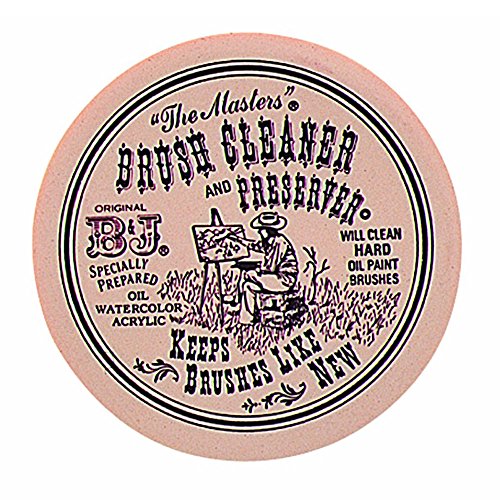
- brush soap for stiffened dried paint brushes
- paint brush cleaning kit with solvent and comb
- Warm water and a clean container
- Old towels or rags
- Plastic scraper or old toothbrush for detail cleaning

Before You Start
Clear a well-ventilated workspace and protect surfaces from splashes. If working with solvent-based cleaners, use gloves and eye protection. Check the brush’s material; natural bristles and synthetic bristles react differently to cleaners. Time estimates vary: soaking can take 15–60 minutes for moderate buildup, while heavy buildup may require repeat treatments.
Caution: Do not microwave cleaners or mix solvents with household chemicals. Avoid soaking brushes for too long if the bristles show signs of fraying or if the ferrule is loose. Always rinse thoroughly after any chemical treatment to prevent residue transfer to paint on future projects.
Step-By-Step: How To Clean Hardened Paint Brushes
- Assess the brush to determine if the bristles have hardened evenly or if the tip is damaged. This helps decide whether to proceed or retire the brush.
- Remove loose debris by gently pulling with gloved fingers or using a scraper. A brush comb can help lift stuck particles without tearing bristles.
- Prepare a cleaning bath with either a dried latex paint brush cleaner solvent or warm, soapy water tailored to the paint type you used. Submerge only the bristle area, not the ferrule, to prevent rust or loosening.
- Submerge and soak for 15–60 minutes. For very stubborn buildup, rewarm the bath and re-soak, then test the bristles by gently combing through them.
- Gently work through the bristles with a brush soap for stiffened dried paint brushes or a mild detergent designed for brushes. Use a back-and-forth motion to lift paint from the base to the tip.
- Rinse thoroughly under lukewarm water. Check progress by running your fingers along the bristles open and closed; if paint remains, repeat the soaking and cleaning steps.
- Use a paint brush cleaning kit with solvent and comb to comb out any stubborn residue near the ferrule and along the base of the bristles. This helps restore flexibility and shape.
- Pat dry with a towel, reshape the bristles, and lay flat or hang to dry. Avoid standing the brush on the bristles while wet to prevent deforming the shape.
- After drying, test the brush by applying a small amount of paint on a scrap surface. If the brush performs poorly, consider replacement to ensure consistent results in future work.
- Store brushes upright or with bristle tips protected to maintain shape for the next project. Regular maintenance reduces the need for heavy cleaning in the future.
- If the brush remains stiff or damaged after multiple cleanings, evaluate replacement options to maintain project quality and finish.
Troubleshooting
| Symptom | Likely Cause | Fix | Prevention |
|---|---|---|---|
| Bristles stay stiff after cleaning | Residual paint trapped at the base | Re-soak with solvent and re-clean using a comb | Clean promptly after use to prevent buildup |
| Ferrule rust or looseness | Water or solvent contact | Wipe dry quickly; avoid soaking ferrule area | Dry thoroughly after each cleaning |
| Frayed bristles | Overhandling or harsh cleaners | Trim frayed ends if possible or replace brush | Gentle cleaning and proper storage |
| Paint reappears after rinsing | Soap residue or incomplete rinse | Rinse thoroughly and repeat wash | Final rinse with clean water |
Common Mistakes
- Using hot water only; heat can set the paint and damage bristles.
- Soaking ferrules or metal parts for extended periods, which can cause corrosion.
- Forgetting to reshape bristles after cleaning leading to a misshapen brush.
- Ignoring brush type; natural bristles and synthetic bristles react differently to solvents.
Tips For Best Results
- Work in batches when cleaning multiple brushes to save time and ensure consistent results.
- Label brushes by project to avoid cross-contamination of solvents and paints.
- Keep a dedicated cleaning area with proper ventilation for solvent-based products.
- Use a brush comb or pick to lift stubborn particles from the base of the bristles rather than forcing them out.
- Regular maintenance reduces the need for aggressive deep cleaning and extends brush life.
Call A Professional
Consider a professional if brushes are severely damaged beyond practical restoration, if multiple brushes show frayed bristles, or if stubborn residues persist after several cleanings. Professionals can advise on replacement options and provide restoration services for high-value brushes.
FAQ
Can dried latex paint be removed from all brushes?
Most brushes respond to solvent and soap, but some may be permanently affected if the bristles or ferrule are damaged.
How long should I soak brushes with dried paint?
Typically 15–60 minutes; stubborn buildup may require longer soaking and repeat cleaning sessions.
Is it okay to use dish soap for cleaning brushes?
Dish soap can work for mild cleaning, but specialized brush soaps are more effective on stubborn dried paint.
What’s the best way to store cleaned brushes?
Keep them bristle-side up or hang them to dry; avoid leaving them resting on the bristles while wet.
Should I replace brushes after one hard cleaning?
If bristles remain stubborn or become misshapen, replacement is often the most reliable option for consistent results.
Are solvent-based cleaners dangerous?
Yes, use in a well-ventilated area and wear protective gear as needed.
Buying Guide
Choosing the right cleaning approach for hardened brushes involves several factors. Consider the brush type (natural vs. synthetic bristles) and the type of paint used (latex vs. oil-based). A dedicated brush-cleaning kit with solvent and comb provides targeted tools for tough buildup, while a quality brush soap helps maintain bristle integrity after cleaning. Size matters; larger brushes require deeper soaking vessels and longer cleaning cycles. Noise level and energy efficiency are not primary concerns for cleaning, but look for simple, manual solutions that don’t rely on power tools unless you’re cleaning many brushes regularly. For storage, ensure you have a clean, dry space with good air circulation. If you work on space-constrained projects, a compact cleaning kit with a durable container can be ideal. When comparing products, evaluate the effectiveness of solvents, the ease of bristle retrieval with a comb, and the kit’s ability to prevent bristle collapse around the ferrule. Finally, check for chemical safety information and ensure compatibility with paint types used in your projects. Would you benefit from a complete system that includes both solvent and a durable comb for fast results? A well-chosen kit can save time and extend brush life with routine use.
Leave a Reply