How to Clean Grime Off Shower Glass
Shower glass often bears the brunt of hard-water deposits, soap scum, and mineral buildup. With the right approach and a few dependable tools, sparkling glass can become the norm rather than the exception. This guide walks American homeowners through efficient techniques to remove grime, keep glass looking clear, and prevent future buildup.
By following practical steps and using purpose-made products, you’ll reduce scrubbing time and protect silicone seals and metal frames from harsh chemicals.
Quick Answer
Use a lime-scale–removing glass cleaner spray on dry glass, scrub with a shower door squeegee to lift grime, and finish with a microfiber cloth set to wipe away residue for a streak-free shine. Repeat weekly to prevent buildup.
What You’ll Need
- Shower glass cleaner spray with lime scale remover 24 oz
- Shower door squeegee 12 inch silicone blade
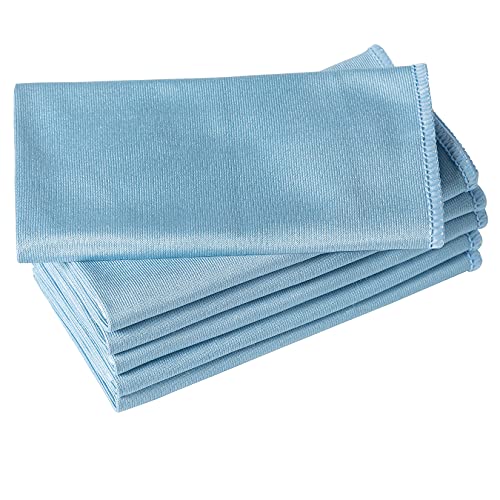
- Microfiber cleaning cloth set for glass shower doors 16×16 inches
- Optional: sponge or soft-bristle brush for tough spots
- Optional: non-scratch scraper for stubborn film


Before You Start
Clear the area and ventilate the bathroom. Close the shower curtain or door to prevent splashes on surrounding surfaces. Wear gloves if you have sensitive skin and test any cleaner on a small, inconspicuous area first. Plan for a 15–30 minute cleaning window depending on buildup and shower size. If grout lines or seals show signs of damage or mold, address those issues separately before deep cleaning the glass.
Step-By-Step: How To Clean Grime Off Shower Glass
- Remove loose soap scum with a dry cloth or brush to prevent muddy residues from smearing during cleaning.
- Hydrate the surface by misting with the shower glass cleaner spray with lime scale remover, concentrating on corners where buildup forms.
- Let the cleaner dwell for 1–3 minutes to break mineral deposits, then use a soft brush or sponge to agitate the area gently.
- Wipe the glass with a microfiber cleaning cloth set, starting at the top and working downward to avoid re-depositing grime.
- Pass the shower door squeegee in smooth, even strokes from top to bottom to lift cleaner and loosened deposits.
- For persistent spots, re-apply cleaner, let sit briefly, then scrub with a microfiber cloth and re-squeegee the area.
- Rinse the glass with clean water, removing all cleaning residue, and dry with a fresh microfiber cloth to prevent water streaks.
- Inspect edges near seals and corners; wipe away any remaining film with a damp microfiber cloth, then dry thoroughly.
- Do a quick daily wipe after showers to slow grime buildup and maintain the glossy finish.
- Optionally, run a final pass with a dry microfiber cloth after squeegeeing to maximize sparkle and minimize spots.
- Store cleaners and tools within easy reach for routine maintenance, and replace worn squeegee blades as needed to keep scraping effective.
Troubleshooting
| Symptom | Likely Cause | Fix | Prevention |
|---|---|---|---|
| Streaks or haze on glass | Residue left from cleaner or minerals | Rinse thoroughly, dry with microfiber, and wipe with a dry cloth | Wipe after each shower; use distilled water if hard water is severe |
| Persistent soap scum | Thick mineral deposits | Reapply cleaner, let dwell longer, scrub with microfiber cloth | Ceral weekly cleaning |
| Stubborn mineral spots | Calcium buildup | Use a second round of cleaner, optionally apply a small amount of mild vinegar solution | Regular maintenance to prevent heavy buildup |
| Scratched glass | Rough tools or abrasive cleaners | Switch to non-scratch tools; avoid harsh scrubs | Use proper tools and gentle motions |
Common Mistakes
- Using abrasive pads or harsh chemicals that scratch glass
- Trying to scrub too hard, which can dull the surface over time
- Skipping the rinse step, leaving residue that attracts new grime
- Not drying surfaces after cleaning, allowing water spots to form
Tips For Best Results
- Clean on a schedule: a quick wipe weekly helps prevent heavy buildup.
- Apply cleaner to dry glass first for better contact with mineral deposits.
- Use a dedicated shower door squeegee with a silicone blade for smoother, safer operation.
- Pair microfiber cloths with the cleaner for a streak-free finish.
- Rinse and dry thoroughly after each shower to minimize new grime.
Call A Professional
Consult a professional if you notice persistent staining that won’t respond to standard cleaners, extensive mineral buildup on multi-panel doors, or if silicone seals appear cracked or moldy. Seek help promptly for any shower enclosure that shows signs of water damage or structural issues.
FAQ
What cleaner is best for lime-scale on shower glass?
Choose a shower glass cleaner spray with lime scale remover designed for hard water deposits, applied per package directions.
Can I use vinegary solutions on glass shower doors?
Vinegar can help with mineral deposits but may damage certain metal trims. Test first and avoid prolonged exposure on delicate seals.
How often should I clean shower glass?
For most households, a quick weekly wipe plus a deeper clean every 2–4 weeks keeps glass clear.
Is a squeegee essential for cleaning?
A shower door squeegee speeds up the removal of cleaner and water, reducing streaks and preventing mineral buildup.
Buying Guide
When selecting products to keep shower glass pristine, consider size, performance, and ease of use. A 24 oz cleaner provides enough coverage for several cleanings between refills. A 12 inch squeegee with a flexible silicone blade helps reach corners and handles glass doors of common widths. A microfiber cloth set sized at 16×16 inches offers ample surface area for quick wipes and thorough drying. Look for formulas labeled as lime-scale or mineral deposit removers to address hard-water buildup effectively. For best results, pair a dedicated cleaner with a reliable squeegee and high-quality microfiber towels, and store tools in a convenient cabinet near the shower. Regular maintenance reduces labor and preserves the glass’s clarity over time.
Leave a Reply