How to Clean Grime Off Antique Wood Furniture
Antique wood furniture adds timeless character to a room, but its delicate finishes can be harmed by harsh cleaners. This guide offers safe, practical methods to remove grime while preserving patina and value. It covers common grime types, prepping the piece, and step-by-step instructions using gentle tools and proven products.
Quick Answer
Gentle dusting followed by a soft-bristle wood furniture cleaning brush and microfiber cleaning cloths for antique wood furniture works best for surface grime. For deeper grime, use a wood furniture wax conditioner kit for antiques to restore shine and protection. Avoid soaking the wood and always test a small area first.
What You’ll Need
- Microfiber cleaning cloths for antique wood furniture
- Soft-bristle wood furniture cleaning brush
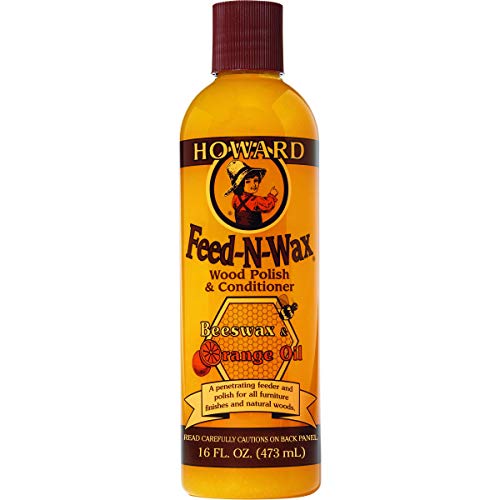
- Wood furniture wax conditioner kit for antiques
- Distilled water (for rinsing when needed)
- Pure white cotton rags for buffing


Before You Start
Prepare the room to minimize dust and drafts. Place the piece away from direct sunlight to prevent finish fading. Work on a clean, soft surface and protect surrounding floors with a cloth drop sheet. Always test any cleaner on a hidden area first to ensure no discoloration or adverse reaction. Time estimate: 30–90 minutes depending on grime depth and piece size.
Step-By-Step: How To Clean Grime Off Antique Wood Furniture
- Dust the surface thoroughly with a microfiber cleaning cloth to remove loose dirt and seasonal dust.
- Inspect for cracks, flaking, or finish wear. Note areas that require extra care during cleaning.
- Gently work in a circular motion with the soft-bristle wood furniture cleaning brush on any raised grime, using minimal pressure.
- Dampen a microfiber cloth with distilled water and wipe the area to remove loosened grime. Do not saturate the wood.
- Buff the surface with a dry cotton rag to remove remaining moisture and identify stubborn spots.
- If grime persists, apply a small amount of wood furniture wax conditioner kit for antiques to a cloth and rub in a thin, even layer. Allow to sit briefly, then buff to a soft sheen.
- Work in sections, following the wood grain to minimize streaks and protect the finish.
- Avoid household cleaners with ammonia, bleach, or silicone-based products that can dull or degrade antique finishes.
- Reassess the piece after the wax has cured. Reapply wax in the same light, circular motions if general dullness remains.
- Finish with a final wipe for a uniform look and to protect the surface from future grime buildup.
- Store any cleaning tools in a dry, dust-free area to maintain their effectiveness for next use.
- Document any restorations or finish changes for future care and resale considerations.
Troubleshooting
| Symptom | Likely Cause | Fix | Prevention |
|---|---|---|---|
| Finish looks dull after cleaning | Over-wiping or using harsh chemicals | Switch to distilled water and a gentle wax conditioner; reduce cleaning frequency | Use only approved products for antiques; test first |
| Water rings or stains | Moisture intrusion | Dry promptly; apply a light wax and allow curing | Wipe spills immediately; avoid soaking |
| Finish lifting or peeling | Prolonged moisture or aggressive scrubbing | Consult a professional restorer; stop DIY cleaning on affected areas | Proceed with caution; repair under guidance |
| Streaks after wax | uneven application | Re-wipe with soft cloth and apply a light, even layer | Avoid heavy layers; follow product directions |
Common Mistakes
- Using household cleaners not designed for antique finishes
- Applying excessive moisture to the wood
- Over-waxing or uneven wax application
- Ignoring hidden damage or finish wear during cleaning
Tips For Best Results
- Work in a shaded area to prevent sun-induced fading during cleaning.
- Always dust before any wet cleaning to minimize streaks.
- Test new products in a small, inconspicuous spot first.
- Use the grain as your guide for both cleaning and waxing.
- Rotate the piece occasionally to evenly distribute light and prevent warping from moisture exposure.
Call A Professional
Seek professional help if the antique shows signs of deep staining, finish peeling, significant veneer lifting, or structural instability. Stop any DIY cleaning if you notice: persistent peeling, cracking, or suspected infestation. A qualified restorer can assess finish integrity, advise on appropriate wax formulations, and prevent further damage.
FAQ
What is the safest cleaner for antique wood furniture?
The safest approach uses distilled water and a microfibre cloth; for deeper cleaning, a dedicated wood furniture wax conditioner kit designed for antiques is recommended.
Can I use wax on all antique finishes?
Wax can protect many finishes, but a few vintage finishes may react poorly. Test first and follow product guidelines.
How often should I wax antique furniture?
Typically every 6–12 months, depending on use and environment, but always follow manufacturer directions and assess as needed.
Is steam cleaning safe for antiques?
No, steam can cause warping or finish damage; avoid steam cleaning on antique wood.
Should I oil or wax antique wood furniture?
Most antiques respond best to wax, which provides a protective layer without penetrating finishes too deeply. Oils can alter the finish; consult a professional for stubborn cases.
Buying Guide
When selecting products to maintain antique wood furniture, consider size and scope of the project, the finish type, and the environment. For tools, prioritize gentle, purpose-built options.
- <bSize and scope: Choose a wax conditioner kit appropriate for the furniture surface area and finish complexity.
- <bNoise level: Cleaning tools like a soft-bristle brush or microfiber cloth are silent and non-disruptive.
- <bEnergy efficiency: Not applicable to manual cleaning tools; focus on efficiency of the kit and minimal steps to reduce time.
- <bControls: Simplicity matters; select products with clear usage instructions and minimal ingredients.
- <bPlacement: Store kits in a dry, stable place to prevent moisture exposure; avoid direct sunlight.
Looking for the right starter set? A kit pairing a wood furniture wax conditioner kit for antiques with a soft-bristle wood furniture cleaning brush and microfiber cleaning cloths for antique wood furniture offers a balanced approach for most finishes.
Leave a Reply