How to Clean Grease Off Ceramic Tile
Grease stains on ceramic tile can be stubborn, especially in kitchens and areas near cooking surfaces. This guide walks American homeowners through a practical, step-by-step approach to removing kitchen grease from ceramic tile, grout included. The methods blend everyday cleaners with proven tools to restore shine and curb grime buildup over time.
Quick Answer
For fast results: start with a hot water and mild detergent solution, scrub with a stiff bristle tile grout brush, and rinse. For tougher grease, use a heavy duty tile and grout degreaser spray or a steam cleaner for grease on ceramic tile. Finish with a wipe and a sealant-safe grout conditioner if needed.
What You’ll Need
- Stiff bristle tile grout scrub brush ceramic
- Steam cleaner for grease on ceramic tile
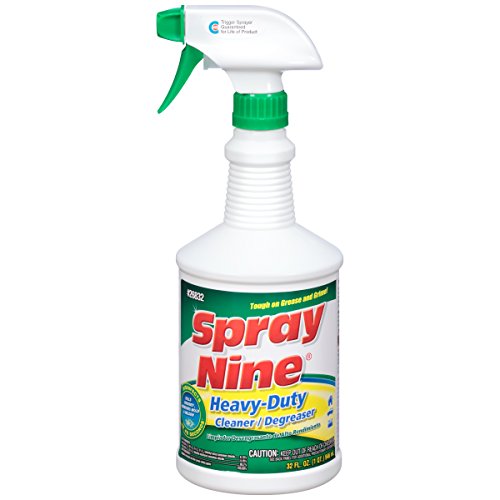
- Heavy duty tile and grout degreaser spray


Before You Start
Prepare the area by removing nearby appliances or mats and placing a drop cloth to catch drips. Ventilate the space well to minimize chemical odors. Test any cleaner on a small, inconspicuous area of the tile and grout for colorfastness. Time estimate: 20–40 minutes for routine cleaning; up to 1–2 hours for heavily soiled areas. Caution: never mix different cleaners, especially bleach and ammonia, as dangerous fumes can form.
Step-By-Step: How To Clean Grease Off Ceramic Tile
- Remove loose debris from the tile surface using a dry cloth or microfiber.
- Prepare a cleaning solution: warm water mixed with a few drops of mild dish soap or a pH-neutral cleaner designed for tile.
- Apply the solution generously over greasy areas and let it sit for 5–10 minutes to soften oil residues.
- Use a stiff bristle tile grout scrub brush ceramic to scrub in small circular motions, focusing on grout lines where grease tends to accumulate.
- If grease persists, spray a heavy duty tile and grout degreaser spray along the grout and tile, then let sit for 5–8 minutes before scrubbing again.
- For stubborn spots, use a steam cleaner for grease on ceramic tile to apply steam directly to the affected area, then wipe away loosened grease with a clean cloth.
- Rinse the surface with clean water to remove residual cleaner, and wipe dry with a microfiber cloth to prevent water spots.
- Inspect the grout lines; repeat steps 4–6 on any areas that still show grease buildup.
- Optionally apply a grout sealant or grout conditioner after the area is completely dry to protect against future stains.
- Return mats and appliances, and keep up a quick weekly wipe-down routine to prevent grease buildup.
- For large kitchen floors, consider dividing the work into sections to ensure thorough cleaning without leaving damp patches.
- Document any recurring stains to tailor future cleanings and maintenance schedules.
Troubleshooting
| Symptom | Likely Cause | Fix | Prevention |
|---|---|---|---|
| Grease remains after cleaning | Old, baked-on oil; insufficient contact time | Reapply degreaser, let sit longer, re-scrub with the grout brush | Clean as soon as spills occur; wipe with warm soapy water regularly |
| Streaks or cloudy tiles | Residue from cleaner or hard water | Rinse thoroughly and dry with a lint-free cloth | Use distilled water for final rinse if your water is hard |
| Grout not improving after scrubbing | Grease trapped in porous grout | Spot-treat with degreaser directly on grout lines and scrub | Seal grout after cleaning to reduce future penetration |
| Yellowing grout | Aging grout or mineral deposits | Use a grout-safe whitening solution following manufacturer directions | Regular maintenance and prompt cleaning of spills |
Common Mistakes
- Using overly abrasive tools on delicate ceramic surfaces, which can scratch glaze.
- Spraying cleaner directly onto electrical outlets or switches—keep liquids away from electrical components.
- Rushing the cleaning process; grease often requires multiple passes for complete removal.
- Neglecting grout between tiles, which traps most of the grease and grime.
Tips For Best Results
- Work in small sections to ensure the cleaner stays wet long enough to break down grease.
- Always rinse and dry after cleaning to prevent residue and water spots.
- Use the steam cleaner method selectively on very stubborn spots to avoid overuse of moisture on grout.
- Consider a grout colorant if grout discoloration persists even after cleaning.
- Schedule routine maintenance: a quick wipe-down after cooking can significantly reduce buildup.
Call A Professional
Call a professional if grease buildup covers large areas, if grout is deeply stained and porous beyond simple cleaning, or if there is any suspicion of underlying damage to tiles or subfloor. Signs to seek help include persistent mold-like staining, persistent odors, or damaged grout that crumbles during cleaning.
FAQ
Is a steam cleaner necessary for cleaning grease off ceramic tile?
No, but a steam cleaner can help loosen stubborn grease with reduced chemical use. It’s a good option for heavy buildup or sensitive grout.
Can I use vinegar to clean grease on ceramic tile?
Vinegar can work for mineral buildup and light grease, but avoid using it on marble or natural stone. For ceramic tile, test first and dilute as needed.
How often should I seal grout after cleaning?
Seal grout after it is completely dry, typically 24–48 hours, and re-seal every 1–2 years depending on wear and moisture exposure.
What if grease returns quickly after cleaning?
This may indicate frequent cooking splatter or improper sealing. Increase frequent wipe-downs and consider resealing grout or using a degreaser spray more regularly.
Buying Guide
When choosing products to tackle grease on ceramic tile, consider size, noise level, energy efficiency, controls, and placement. For residential kitchens, a multi-tool approach often yields the best results, combining a stiff bristle tile grout scrub brush ceramic for grout, a steam cleaner for grease on ceramic tile for heavy spots, and a heavy duty tile and grout degreaser spray for stubborn grime. Here are key buying factors:
- Size and reach: Larger steam cleaners or handheld options matter for kitchen floors; choose a model that fits your space and is easy to maneuver.
- Noise level: Consider quieter models for homes with open-plan layouts or small children.
- Energy efficiency: Look for energy-efficient steam or cleaning devices to minimize running costs.
- Controls and accessories: Variable steam settings, interchangeable brushes, and spray patterns improve versatility.
- Placement and storage: Lightweight units that store easily under sinks or in closets are convenient for regular cleaning.
Additionally, review product compatibility with ceramic tile and grout. Always follow manufacturer directions for safe use and test on a small area before full-scale cleaning. If you frequently deal with oily kitchen messes, consider pairing a degreaser spray with a reliable brush for consistent results and longer-lasting tile appearance.
Leave a Reply