How to Clean Grease Off Cabinets
Grease buildup on kitchen cabinets can make a space feel dull and dirty. With the right approach, most grime lifts away quickly without damaging finishes. This guide provides practical steps, safe products, and tips to keep cabinet exteriors looking fresh and clarified.
Quick Answer
Start with mild cleaners, then move to stronger degreasers if needed. Use a soft cloth, avoid abrasive scrubbers on delicate finishes, and rinse well to prevent streaks. For stubborn spots, a nylon scrub brush can help without scratching. Regular maintenance prevents heavy buildup over time.
What You’ll Need
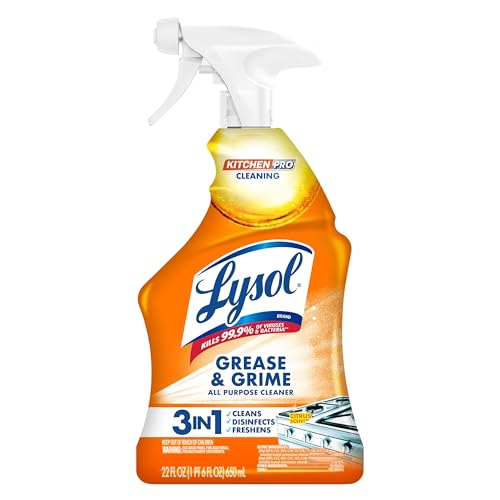
- kitchen degreaser spray cabinet cleaner or a gentle multi-surface degreaser
- microfiber kitchen cleaning cloths for grease
- nylon scrub brush for kitchen cabinets grease
- Soft sponge or non-abrasive cleaning pad
- Warm water
- Optional: white vinegar or baking soda for spot cleaning


Before You Start
Clear the counters and protect any nearby surfaces. Test a small, inconspicuous area of the cabinet finish before full cleaning to ensure there’s no discoloration or dulling. Work in a well-ventilated area and use gloves if you have sensitive skin.
Time estimate: 15–30 minutes per cabinet section, depending on buildup. For larger kitchens with heavy grease, allocate extra time or perform in zones over a couple of sessions.
Step-By-Step: How To Clean Grease Off Cabinets
- Remove items from cabinet doors and shelves to access all surfaces.
- Wipe loose dust and loose grease with a dry microfiber cloth to reduce sliding grime during cleaning.
- Apply a kitchen degreaser spray cabinet cleaner to a microfiber cloth, not directly on the wood or paint to prevent over-wetting.
- Wipe in the direction of the wood grain or along the cabinet curves to lift oil without scratching.
- For stubborn spots, lightly dampen a nylon scrub brush and work in small circular motions, then wipe away residue with a clean microfiber cloth.
- Rinse the cloth with warm water and wipe the area again to remove cleaner residue.
- Dry surfaces with a separate dry microfiber cloth to prevent water spots and streaks.
- Repeat on all cabinet faces, including frames, doors, and handles, then reassemble items once completely dry.
- For vinyl or painted finishes, avoid abrasive scrubs and aggressive chemical cleaners that can dull or peel over time.
- Finish with a light pass of a neutral cleaner if any sticky residue remains, and buff to a satin shine with a dry cloth.
- Schedule regular wipe-downs—a quick weekly pass prevents buildup and simplifies deeper cleaning later.
- Inspect hardware and hinges for grime during the wipe-down; clean or tighten as needed for optimal performance.
Troubleshooting
| Symptom | Likely Cause | Fix | Prevention |
|---|---|---|---|
| Streaks after cleaning | Residue from cleaner or water drops | Wipe with a clean, dry microfiber cloth in a final pass | Use a damp, not wet cloth; dry immediately |
| Finish dulls or hazes | Harsh cleaner or over-wetting | Switch to a milder degreaser; avoid soaking | Spot test cleaners; minimal moisture |
| Food-safe coatings peeling | Incorrect cleaner for finish | Cease use of the product and consult finish guidelines | Research cabinet finish care before cleaning |
| Grease returns quickly | High-fat cooking residues and lack of regular upkeep | Implement weekly light cleaning after cooking | Wipe splatters promptly during cooking |
Common Mistakes
- Using abrasive pads that scratch wood or painted surfaces
- Over-wetting cabinets, especially wood veneers or plywood
- Applying cleaners directly to finishes instead of to cloth
- Ignoring handles and hardware that collect grease, leading to transfer during wiping
By avoiding these missteps, cabinet finishes stay even-toned and resistant to daily cooking grime.
Tips For Best Results
- Match cleaner strength to grease level: light kitchen splatters respond to mild degreasers; persistent buildup may require a stronger spray tempered by test patches.
- Use microfiber cloths for best lift and minimal lint; wash cloths regularly to prevent re-deposit of oils.
- Wipe in consistent strokes—top-to-bottom or along the grain—to minimize streaks.
- For matte finishes, use a gentle cleaner and avoid glossy finishes that can reflect glare when not fully dried.
- In humid areas, dry cabinets thoroughly to prevent mold or warping on wood edges.
Call A Professional
Seek professional help if cabinet surfaces are significantly damaged, peeling, or if heavy grease has penetrated painted or veneered layers. If chemical mismatches are suspected or there are persistent odor issues after cleaning, a pro can advise on refinishing options and safe products for specific finishes.
FAQ
What is the best cleaner for greasy kitchen cabinets?
A kitchen degreaser spray cabinet cleaner or a mild multi-surface degreaser applied to a microfiber cloth works well for most finishes.
Can I use vinegar to clean grease off cabinets?
White vinegar diluted with water is effective for lighter buildup but test on a small area first, especially on finishes sensitive to acidity.
Do I need to rinse after using a degreaser?
Yes, wipe with a damp cloth to remove cleaner residue and then dry with a clean microfiber cloth.
How often should I clean cabinet grease?
Aim for a quick weekly wipe-down and a deeper clean every 4–6 weeks, depending on cooking volume and kitchen use.
Buying Guide
When choosing cleaning supplies for cabinet grease, consider key buying factors to optimize results and protect finishes.
- <bSize and format: Aerosol vs spray bottles; select a bottle size that fits your cleaning routine and storage space.
- <bNoise level: Not typically a factor for manual cleaning, but liquid sprayers should be quiet and easy to aim without leaks.
- <bEnergy efficiency: Not relevant to cleaners; focus on product effectiveness and surface compatibility.
- <bControls: Adjustable spray mechanisms help control application; choose products with predictable spray patterns.
- <bPlacement: Keep cleaners in a cool, dry place away from heat; store microfiber cloths separately for hygiene.
When evaluating options, compare how well each product lifts grease, how it interacts with your cabinet finish (painted, varnished, or wood), and how easy it is to rinse. For households with heavy frying odors or frequent cooking, pairing a degreaser with quality microfiber cloths and a nylon scrub brush often yields the best balance of speed and safety. Do you clean in a single pass or work in zones? A zone-based approach can minimize repetition and maximize results.
Leave a Reply