How to Clean a Glass Top Range
Glass top ranges offer sleek aesthetics and smooth cooking surfaces, but they require careful cleaning to maintain their shine and performance. This guide provides a practical, step-by-step approach using common household tools and products designed for ceramic glass cooktops. Readers will learn how to remove everyday spills, scorch marks, and mineral deposits without scratching the surface.
The following instructions emphasize safe techniques, appropriate cleaners, and routine maintenance to extend the life of a glass top range. By following the steps, users can achieve a clear, glossy finish that resists future staining and is easier to maintain over time.
Quick Answer
Use a non-abrasive ceramic glass cooktop cleaner with a microfiber cloth or a dedicated non-abrasive scrub pad to lift residue without scratching. For stubborn burnt-on spots, employ a plate or razor blade scraper designed for glass ranges, held at a shallow angle, followed by polishing with a clean cloth. Regular wiping after each use helps prevent buildup.
What You’ll Need
- Ceramic Glass Cooktop Cleaner Kit Non-abrasive with Cream and Microfiber Cloth
- Stovetop Scraper Razor Blade Set for Glass Range Top
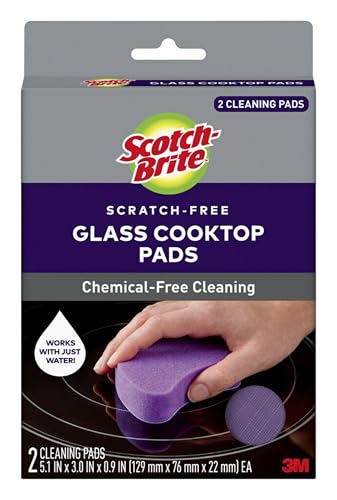
- Microfiber Cleaning Cloth Set for Glass Stove Top and Non-abrasive Scrub Sponge


Before You Start
Clear the area around the stove and ensure the cooktop is cool before cleaning. Remove pots, pans, and any loose debris. Dampen the surface to help lift residues, but avoid soaking. Read product labels for any specific cautions. Always wear eye protection if using a razor blade scraper and never use metal tools that can gouge the glass.
Time estimate: 10–20 minutes for routine cleaning; extra time may be needed for heavy stains. Plan to perform a maintenance wipe after each heavy cooking session to minimize buildup.
Step-By-Step: How To Clean A Glass Top Range
- Let the cooktop cool completely, then wipe with a damp microfiber cloth to remove loose crumbs.
- Apply a small amount of the ceramic glass cooktop cleaner onto a microfiber cloth or the included pad. Work in circular motions to lift surface residue without scratching.
- For thin, dried-on spills, place a warm, damp cloth over the area for 30–60 seconds to soften the residue before wiping.
- Use the stovetop scraper razor blade set at a shallow angle (around 15–20 degrees) to gently remove stubborn burnt-on spots. Keep the blade flat and stable to avoid chipping the glass.
- Wipe away any loosened debris with a fresh microfiber cloth. If residue remains, repeat the cleaner application and gentle scrubbing.
- Finish with a clean, dry microfiber cloth to buff the surface to a glossy finish. Inspect for streaks and re-wipe as needed.
- For mineral deposits or water spots, spray a glass-safe cleaner and wipe with the microfiber cloth until the surface is clear and uniform.
- Regular maintenance: after each cooking session, wipe away spills while the surface is still warm (not hot) to prevent hardening.
- Avoid abrasive sponges or cleaners that can scratch or dull the surface. Do not use oven cleaners or harsh chemicals on the glass top.
- Store tools and cleaners in a dry place, ready for the next cleaning session to encourage consistency in maintenance.
Troubleshooting
| Symptom | Likely Cause | Fix | Prevention |
|---|---|---|---|
| Streaks after cleaning | Residue left from cleaner or mineral deposits | Use a fresh microfiber cloth and a dedicated ceramic glass cleaner; buff thoroughly | Wipe weekly with the same cleaner to prevent buildup |
| Rings or halo marks | Hard water deposits or improper drying | Apply cleaner, allow to sit briefly, scrub gently, and dry with a lint-free cloth | Dry the surface after each use and wipe with a damp cloth regularly |
| Scratches visible | Using a metal blade or abrasive scrub | Switch to non-abrasive tools; replace blade if dull | Never use metal utensils on the glass |
| Cream cleaner won’t dissolve residue | Very tough, baked-on grime | Reapply and let sit longer; use a plastic scraper at a shallow angle | Address spills promptly to prevent hardening |
Common Mistakes
- Using harsh, abrasive cleaners on the glass top
- Applying excessive pressure with a scraper, risking scratches
- Cleaning a hot or warming surface, which can damage coatings
- Leaving cleaner on the surface for too long, causing streaks
Tips For Best Results
- Perform a quick wipe after every big cooking session to minimize buildup.
- Test any cleaner on a small, inconspicuous area first to ensure compatibility.
- Use a dedicated microfiber cloth set to avoid lint transfer and improve shine.
- Keep the razor blade scraper clean and dry when not in use to prevent rust.
- Label and separate tools for glass-top care to avoid cross-contamination with other surfaces.
Call A Professional
If the glass top shows deep cracks, sustained hazing, or structural damage, contact a professional appliance technician. Do not attempt in-place repairs or blade-based fixes that exceed home maintenance capabilities. Seek help if warnings like heat damage or bubbling appear after thorough cleaning.
FAQ
Can I use普通 household cleaners on a glass top range?
Yes, but use cleaners labeled safe for ceramic glass and avoid abrasive formulas that can scratch the surface.
Is a razor blade scraper safe on glass cooktops?
When used correctly at a shallow angle and with a dedicated glass-safe blade, it is effective for burnt-on stains. Exercise caution to prevent scratches.
What should I do about stubborn stains?
Apply cleaner, let it sit briefly, then scrub with a non-abrasive pad. For really tough spots, repeat the process with patience.
How often should I clean a glass top range?
Wipe daily after cooking and perform a deeper clean weekly or as needed based on usage and spills.
Are there alternative tools for cleaning?
Non-abrasive scrub sponges and microfiber cloths are good alternatives; avoid metal brushes.
What causes streaks after cleaning?
Residue from cleaners or minerals left on the surface can cause streaks; buff with a clean microfiber cloth until glossy.
Will heat exposure damage the glass top after cleaning?
Cleaning should only occur when the surface is cool to avoid thermal shock and damage.
Buying Guide
When choosing products for glass top range cleaning, consider size and type of surface, how often the range is used, and the level of residue encountered. Look for tools and cleaners specifically labeled for ceramic glass or glass cooktops to ensure compatibility and avoid scratches. A complete kit with a non-abrasive cleaner, microfiber cloths, and a dedicated scraper provides a balanced approach for routine maintenance and stubborn stains.
Key buying factors include size, noise level if using a powered cleaner, energy considerations for any electric devices used alongside cleaning, and placement of tools for easy access. For households with hard water, a cleaner formulated to tackle mineral deposits can reduce streaks. Consider a kit that bundles a scraper blade set and soft cloths for comprehensive care, while ensuring replacement blades are readily available.
How should someone compare options? Look for reviews that mention surface compatibility, ease of use, and long-term results. Compare kit contents and the included accessories to ensure essential items are not missing. Finally, verify that the product range includes both a gentle cleaner and a reliable scraper, providing a complete solution for glass top maintenance.
Leave a Reply