How to Clean a Glass Cooktop With Burnt Stains
Glass cooktops offer a sleek look and efficient heat distribution, but burnt-on food and spills can leave stubborn marks. This guide provides practical, step-by-step methods to restore a glass cooktop to a smooth, streak-free finish using common kitchen tools and safe chemistry designed for ceramic surfaces. The focus is on removing burnt residue without scratching or dulling the surface.
Readers will find a quick overview, a complete materials list aligned with popular cleaning products, safety notes, step-by-step instructions, troubleshooting tips, and a buying guide to help choose future cleaning products for glass stove tops.
Quick Answer
Best approach: Start with non-abrasive cleaners and gentle scrapers designed for ceramic cooktops, then finish with a non-scratch microfiber pad. For tougher burns, use a ceramic glass cooktop cleaner cream non-abrasive and a dedicated glass stove top scraper safe for ceramic cooktops. Always work in small circular motions and wipe clean before buffing to a shine.
What You’ll Need
- Ceramic glass cooktop cleaner cream non-abrasive
- Glass stove top scraper safe for ceramic cooktops
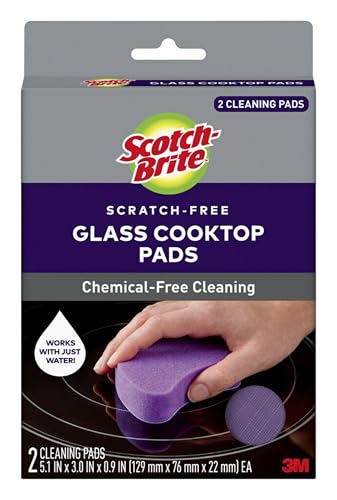
- Non-scratch microfiber cleaning pad for glass stove top


Before You Start
Before tackling burnt stains, ensure the cooktop is completely cool. Lay down a soft towel or mat to protect surrounding surfaces. Work in a well-ventilated area and avoid harsh or abrasive powders that could scratch the surface. Allocate about 20–40 minutes for thorough cleaning, depending on the severity of burns. Critical cautions include not using steel wool or metal spatulas on the surface, and avoiding cleaners that contain bleach or ammonia unless specifically labeled for glass cooktops.
Step-By-Step: How To Clean Glass Cooktop Burnt
- Gently remove loose debris with a soft, dry cloth to prevent scratching during cleaning.
- Apply a small amount of ceramic glass cooktop cleaner cream non-abrasive to the burnt area.
- Let the cleaner sit for 2–3 minutes to loosen baked-on residue, then work in small circular motions with a non-scratch microfiber cleaning pad for glass stove top.
- For stubborn spots, use the glass stove top scraper safe for ceramic cooktops at a shallow angle, keeping the blade flat against the surface to avoid gouging.
- Wipe away loosened residue with a damp microfiber pad, then dry the area with a clean cloth to reveal a shine.
- Repeat the cleaning cycle as needed, moving from lighter stains to deeper burns for best results.
- Polish the entire surface with a fresh microfiber pad to remove any streaks and impart a consistent finish.
- Inspect for remaining marks; if necessary, apply a thin layer of cleaner and repeat steps 3–7.
- Finish with a final wipe using a clean, damp cloth to remove all cleaner traces, then buff with a dry pad.
- Store cleaners and tools in a cool, dry place away from children and pets after use.
Troubleshooting
| Symptom | Likely Cause | Fix | Prevention |
|---|---|---|---|
| Stubborn burn marks persist | Deep baked-on residue | Repeat cleaning cycle using cleaner cream non-abrasive and scraper, consider a second application | Clean spills promptly; use protective ring mats |
| Scratches appearing | Razor or metal scraper used at an angle | Stop using metal tools; switch to ceramic-safe scraper | Always keep blade flat and gentle pressure |
| Streaky or cloudy surface | Residue left behind | Wipe with damp microfiber pad, then buff with dry pad | Rinse pad frequently and use minimal cleaner per pass |
| Patches not reforming to a shine | Uneven cleaning or heat marks | Evenly re-clean entire surface, finish with buffing | Regular maintenance after cooking spills |
Common Mistakes
- Using abrasive powders or steel wool on a ceramic surface
- Relying on metal scrapers that can scratch glass
- Overlooking residue left from cleaners, leading to streaks
- Not allowing cleaners to sit long enough on tough stains
These missteps can mar the glass or reduce its clarity. Following the recommended tools helps protect the finish over time.
Tips For Best Results
- Test cleaners on a small, inconspicuous area before broad application.
- Keep a dedicated microfiber pad for glass stove tops to avoid cross-contamination with other surfaces.
- Work in a cool, dry environment to prevent rapid evaporation that can leave streaks.
- Use circular motions to lift burnt residues rather than scrubbing aggressively.
- Consider routine maintenance after every few uses to minimize heavy buildup.
Call A Professional
If burns are deeply etched, the glass surface appears permanently discolored, or there are visible cracks, stop cleaning and contact a professional appliance technician. Major damage may require professional refinishing or replacement of the glass cooktop.
FAQ
Can I use vinegar to clean a glass cooktop?
Vinegar can help with light spots, but it is not a substitute for ceramic-specific cleaners on burnt stains. Use vinegar sparingly and follow with a proper cleaner for best results.
Is it safe to use a razor blade on a ceramic cooktop?
Only if the product is specifically labeled as safe for ceramic cooktops and used at a shallow angle; otherwise, use a non-scratch scraper designed for this surface.
How often should I clean my glass stove top?
Weekly light cleaning with a non-abrasive cleaner and periodic deep cleans after heavy spills keep the surface in optimal condition.
What should I do if the surface starts to look cloudy?
Cloudiness usually indicates residue left behind; re-clean with a damp microfiber pad and polish with a dry pad to restore clarity.
Are there eco-friendly cleaners for glass cooktops?
Yes, there are non-abrasive, water-based cleaners designed for ceramic surfaces. Always verify compatibility with your appliance and manufacturer recommendations.
Buying Guide
Choosing the right products for glass cooktops involves considering size, performance, and maintenance needs. Here are key factors to weigh when selecting cleaners and tools for glass stove tops.
Size: Cleaners and pads come in various sizes. A compact scraper and a standard-sized cleaner pad fit most cooktops without overreaching the edge.
Noise Level: Microfiber pads are silent to moderate in sound during use; avoid noisy abrasive tools that can scratch surfaces.
Energy Efficiency: Cleaning products that work effectively at room temperature save energy by avoiding heat or steam during use.
Controls: Some cleaners are labeled as safe for ceramic cooktops and include instructions for use on glass surfaces. Always follow label directions for best results.
Placement: Store cleaners away from heat sources and avoid stacking heavy items on top of glass cooktops to minimize accidental damage.
When selecting products, prioritize a non-abrasive ceramic glass cooktop cleaner cream non-abrasive, a glass stove top scraper safe for ceramic cooktops, and a non-scratch microfiber cleaning pad for glass stove top to maintain a pristine finish without scratches.
Leave a Reply