How to Clean a Gecko Tank
Keeping a gecko’s living space clean is essential for health and longevity. A well-maintained terrarium reduces odor, prevents algae growth, and minimizes disease risk. This guide walks through practical steps and tools to clean a gecko tank effectively while protecting both the animal and the enclosure.
Quick Answer
Remove the gecko, discard waste, and rinse the enclosure with warm water. Use a reptile-safe cleaner or a mild soap, scrub all surfaces, rinse thoroughly, dry, and replace substrate as needed. Sanitize water dishes and hides, then return the gecko when the tank is completely dry.
What You’ll Need
- Reptile terrarium cleaning brush long-handled
- Glass terrarium scrub brush reptile enclosure
- Terrarium cleaning kit reptile cage scrub sponge
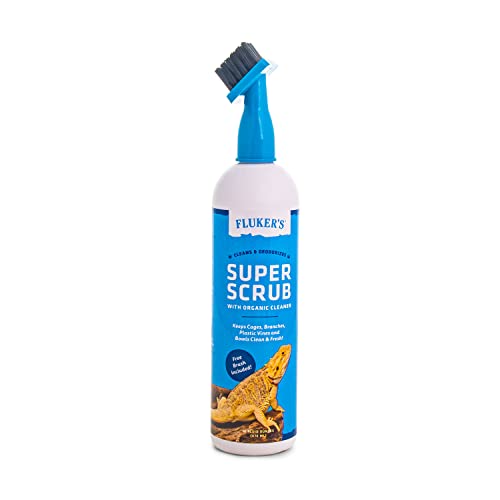 |
Fluker’s Super Scrub Brush & Organic Cleaner for Reptile Terrariums, Ensures Safe & Easy Cleaning, Deodorizes Terrarium |
Before You Start
Plan for a thorough cleaning session; expect 15–40 minutes depending on tank size. Turn off any heat mats or lights during cleaning and remove the gecko to a secure temporary housing. Work in a well-ventilated area. Rinse all tools after use to prevent residue buildup. Check the enclosure for any loose decorations that could snag the gecko.
Step-By-Step: How To Clean A Gecko Tank
- Gently remove the gecko and place it in a secure temporary enclosure with appropriate heat and humidity.
- Take out all substrates, decorations, and water bowls. Set them aside for cleaning or replacement.
- Wipe the inside with warm water to remove loose debris. Use a glass terrarium scrub brush reptile enclosure for corners and seams.
- Apply a reptile-safe cleaner or a mild, fragrance-free soap diluted in water. Avoid strong chemicals that could harm the gecko.
- Scrub all interior surfaces, including corners, lids, and any plastic components. For stubborn deposits, let the solution sit for a few minutes.
- Rinse thoroughly with clean water until no soap residue remains. It’s critical to remove all cleaners to prevent irritation.
- Dry the enclosure completely with a clean towel or allow air-drying. Reinstall rocks, branches, and hides only when dry.
- Clean water bowls and feeding dishes separately with hot water and rinse well. Sanitize as needed and dry before reuse.
- Reintroduce fresh substrate if needed, then place decorations back in their original positions.
- Return the gecko to the tank and monitor for signs of stress during the first hour post-cleaning.
- Schedule regular cleanings—weekly light maintenance and monthly deep cleaning are common routines for geckos.
Troubleshooting
| Symptom | Likely Cause | Fix | Prevention |
|---|---|---|---|
| Strong smell after cleaning | Residual cleaner or moisture | Rinse thoroughly; extend drying time | Use only reptile-safe cleaners; ensure complete dry-out |
| Algae growth returns quickly | Too much moisture or light exposure | Adjust humidity and reduce light intensity or duration | Maintain stable humidity and clean regularly |
| Substrate mold | Wet substrate kept too long | Replace substrate with dry, clean material | Spot-clean daily; full substrate refresh as needed |
| Gecko shows stress after cleaning | Handling or noise | Minimize handling; use calm, quiet routine | Prepare temporary habitat in advance |
Common Mistakes
- Using household cleaners not designed for reptiles
- Leaving soap residues or moisture in the tank
- Over-wetting substrate or decor
- Reusing porous substrates without proper disinfection
Avoid rushing the process. A careful, methodical approach yields a cleaner, healthier enclosure with less stress to the gecko.
Tips For Best Results
- Prep a dedicated cleaning station near the terrarium to keep tools organized.
- Label and separate tools used for terrarium cleaning to prevent cross-contamination.
- Use a long-handled brush to minimize cage disturbance and keep hands dry.
- Routinely inspect silicone sealant and lid gaskets for wear and grime buildup.
Call A Professional
Seek professional veterinary advice if the gecko shows persistent signs of illness after cleaning, such as lethargy, loss of appetite, regurgitation, or abnormal swelling. If enclosure repairs are needed beyond routine maintenance, contact a reptile specialist or experienced terrarium technician.
FAQ
What should I use to clean a gecko tank?
Use a reptile-safe cleaner or a mild soap diluted in water, followed by thorough rinsing.
How often should I clean a gecko tank?
Perform a light weekly wipe-down and a full deep-clean every 4–6 weeks, depending on setup and bio-load.
Can I reuse the substrate after cleaning?
Only if it is thoroughly inspected and sanitized; otherwise, replace with fresh substrate.
Is boiling water safe for cleaning terrarium components?
Boiling water is generally not recommended for all plastics; use warm water and approved cleaners to avoid damage.
Buying Guide
When choosing cleaning tools for a gecko tank, consider size, material, and compatibility with reptile-safe cleaners. The right tools improve efficiency and minimize stress for both keeper and gecko. Evaluate the following factors:
- Size and reach: A long-handled brush helps reach corners without disturbing the gecko.
- Material: Soft bristles reduce scratch risk on glass while still removing residue.
- Compatibility: Ensure cleaners are reptile-safe and clearly labeled for terrariums.
- Maintenance: Tools should be easy to rinse and dry to prevent mold.
- Placement: Keep cleaning supplies separate from feeding areas to avoid contamination.
For many owners, a dedicated reptile terrarium cleaning brush long-handled, a glass terrarium scrub brush reptile enclosure, and a terrarium cleaning kit reptile cage scrub sponge cover most needs. When comparing options, look for durability, ease of use, and how well the kit supports regular maintenance and deep cleans. If pets have sensitive skin or respiratory issues, prioritize tools with ergonomic handles and non-irritating bristles. Always verify that any cleaning product is approved for reptile enclosures before use.
Leave a Reply